The Story
Why it exists.
The beginning
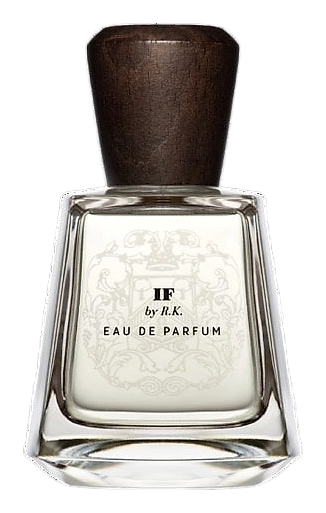
The name is the whole story. "If, " by Rudyard Kipling. The poem about keeping your head when all about you are losing theirs. David Frossard, Frapin's artistic director, encountered those verses while traveling through India on a charity race. Passing through Mysore, he remembered his grandfather reading the poem aloud years before. The lesson stuck: composure isn't stillness. It's what remains when the theatrics fade. Anne-Sophie Behaghel translated that into scent in 2019.
What makes IF work isn't the obvious move, oud or incense or any of the expected India references. Instead, fig milk and cashmeran carry the heart. Creamy. Almost powdery. Warm, but gentle. The warmth you'd find in a quiet room, not a declaration. It's the softness that makes the woods work, the softness that makes the spices feel lived-in rather than performative. This is what the poem smells like: steady warmth, not loud fire.
The evolution
The opening hits bright. Ginger and black pepper arrive together, a sharp, clean signal that doesn't ask permission. Bergamot adds a brief citrus lift before the spices settle in. Within twenty minutes, fig milk appears. Creamy. Unexpectedly gentle against the woods already waiting below. The transition isn't dramatic. It's the whole point: composure holding steady through the change. As time passes, sandalwood and guaiac wood take over as the dominant force. Tonka bean adds a dry, powdery sweetness that lingers close to the skin for hours after. The composition settles into something quieter, more complete, with the drydown revealing the subtle interplay between the creamy fig milk and the warm, resinous woods beneath it.
Cultural impact
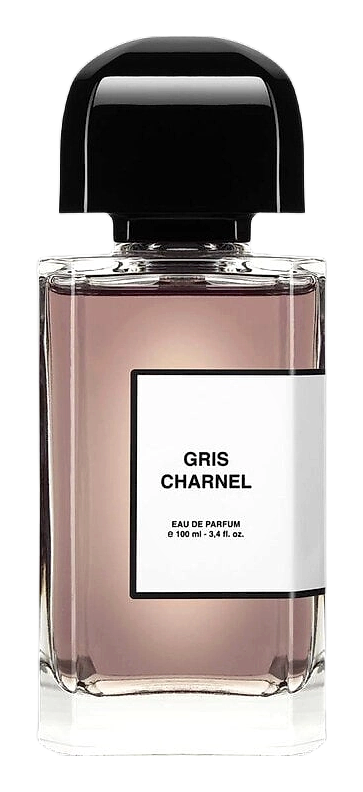
IF arrived in 2019 as something of an outlier in the Frapin catalog. Rather than the house's typical direction, this fragrance centers on fig milk and cashmeran, a softer, creamier foundation than the norm. Some compared it to Gris Charnel by BDK Parfums, though those familiar with both quickly note they occupy different terrain. The unisex positioning works without effort, the warmth is neither masculine nor feminine, simply steady. This lighter direction reveals an unexpected versatility within the house, showing how the same meticulous approach to materials and construction can yield something more intimate.