
The Story
Why it exists.
The beginning
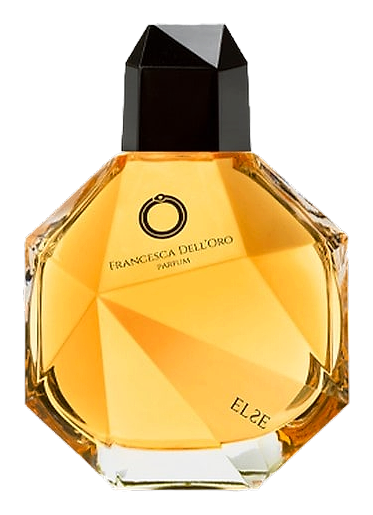
Else takes its name from Arthur Schnitzler's 1924 novella Fräulein Else, a young woman navigating society's gaze, caught between desire and performance, inner voice and outer self. The story unfolds as a continuous inner monologue, rapid and restless, each thought overturning the last. Perfumer Michele Marin translated that psychological pressure into a fragrance structure: notes that contradict and amplify each other, building tension before the final exhale. The 2023 release captures Schnitzler's thematic core, the performance of self, the cost of being seen, in a bottle that refuses to stay still.
The combination of metallic notes with floral heart is what makes Else distinctive. That bright, almost electric opening, bergamot and mandarin fused with something mineral, creates a tension against the carnation and rose warmth that follows. Cassia bourbon adds a warm spice that bridges the opening and the base, while the lily of the valley keeps the florals from becoming too heavy. The result is a fragrance that feels like it's arguing with itself, in the best possible way. The tobacco leaf and moss in the base provide the final contradiction: warmth grounded by earth, sweetness cut by something darker.
The evolution
Else opens sharp and bright, a metallic fizz that catches you off guard before the citrus arrives. Bergamot and mandarin cut through the mineral with tart clarity. Within twenty minutes, the florals take over: carnation's peppery heat, then the warm honeyed weight of centifolia rose. The champa flower adds a tropical richness that feels almost opulent. By the second hour, the composition shifts. The florals begin to soften, and the base notes emerge, tobacco leaf first, then moss, patchouli, and a powdery heliotrope warmth that settles close to the skin. The drydown lasts well into the evening, intimate and persistent, the kind of scent someone notices only when they're already beside you.
Cultural impact
Else has found its audience among independent fragrance collectors who appreciate its literary references and psychological complexity. The Schnitzler connection attracts those who want scent to mean something beyond the notes, who want to wear an idea alongside a fragrance. The metallic-floral-tobacco structure is unusual enough to polarize, which is part of its appeal. Wearers describe it as the fragrance for someone who reads, who thinks, who holds eye contact a beat too long. It performs best in cooler seasons and for evening wear, where its complexity has room to unfold.