Mousse de Saxe
Mousse de Saxe is a timeless synthetic accord that fuses geranium, licorice, and leather tones into a refined mossy foundation, cherished by perfumers since the early 1900s. Its balanced profile supports both modern and classic compositions, making it a staple in niche and luxury houses.
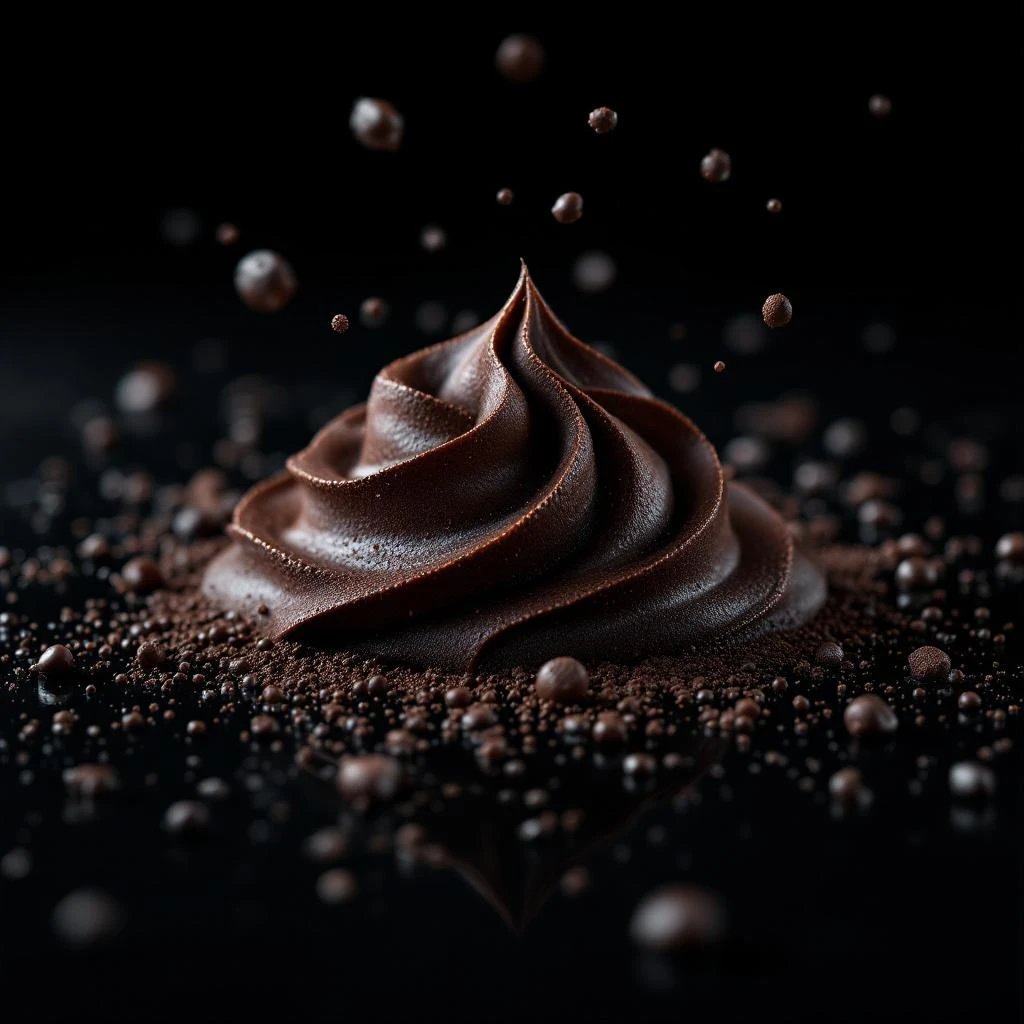
Character
How it smells
The iconic moss-leather blend that anchors timeless fragrances.
Marie-Thérèse de Laire designed the accord to mimic Saxon forest floor, and the recipe still relies on a rare isomeric mix of isobutyl quinoline that only a few labs reproduce today.









Origin
France
Marie-Thérèse de Laire created the first Mousse de Saxe formula in 1902, aiming to reproduce the scent of Saxon forest floor with a synthetic twist. De Laire marketed the base to Parisian houses, and by 1905 it appeared in Caron’s “Mousse” line, establishing a new category of moss-leather accords.
The blend survived the 1930s perfume‑oil shortage, because its synthetic ingredients could be produced without natural harvests. In the 1990s Kevin Verspoor, then at Symrise, rediscovered the original recipe in archived notebooks and re‑engineered the isobutyl quinoline isomer mix.
He launched a limited‑run version through Perfumer Supply in 2015, sparking renewed interest among niche creators. Today, Fraterworks reproduces the accord using a self‑made isobutyl quinoline that matches the historic isomeric ratio, keeping the legacy alive in modern compositions.
Wears it best
Fragrances featuring Mousse de Saxe
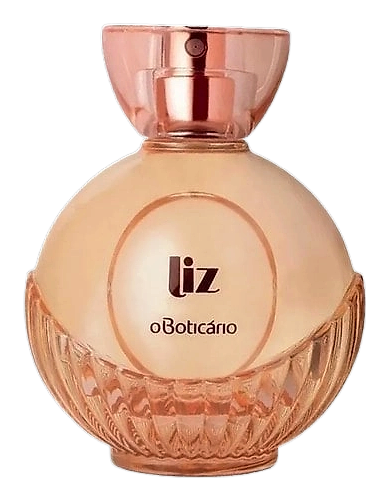
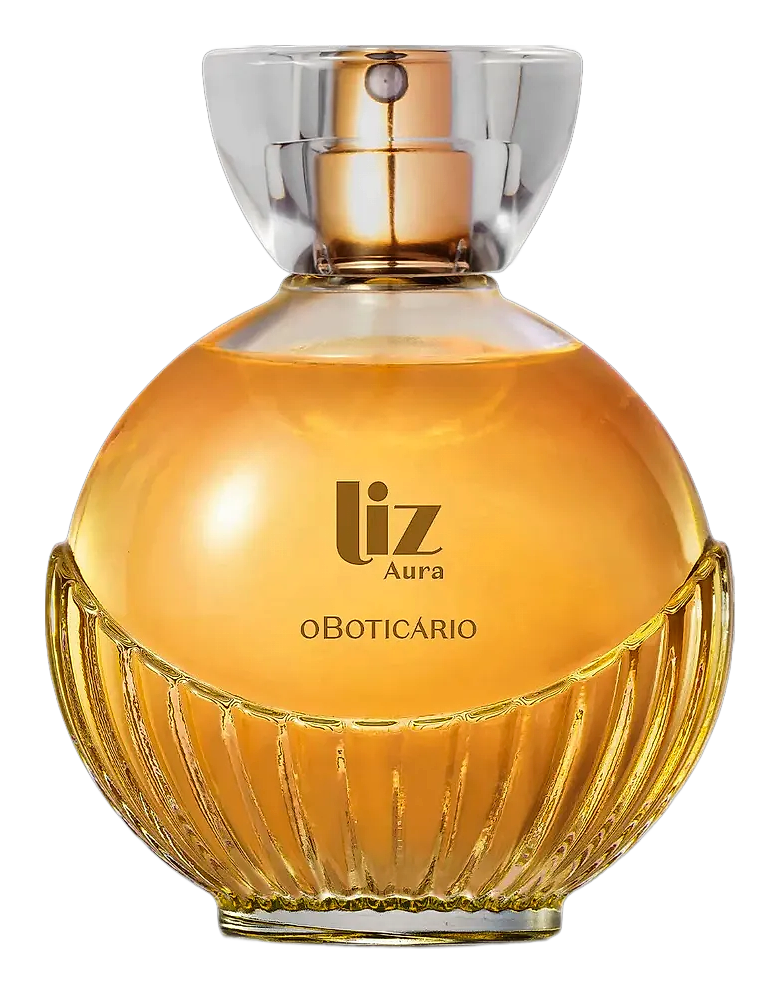
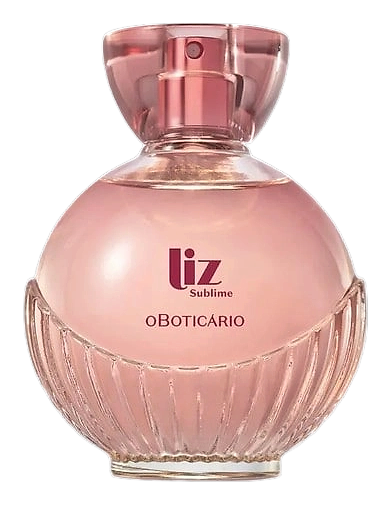
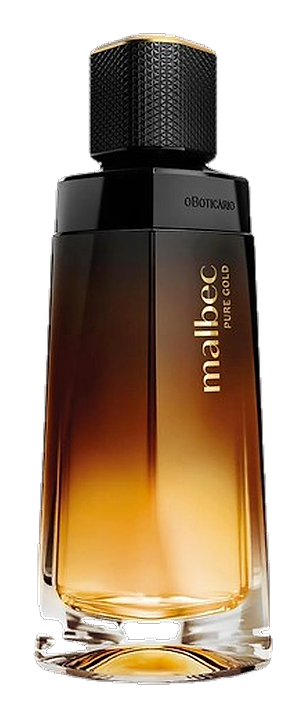
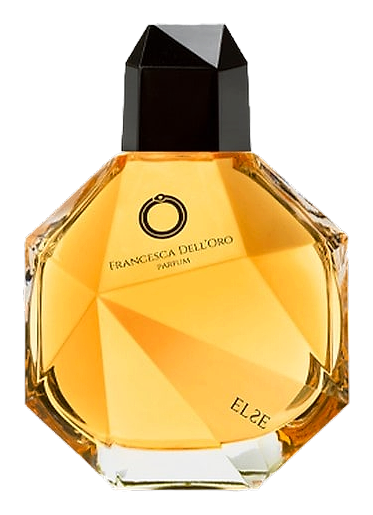
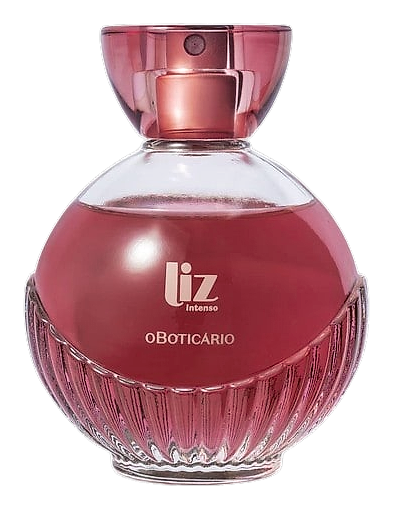
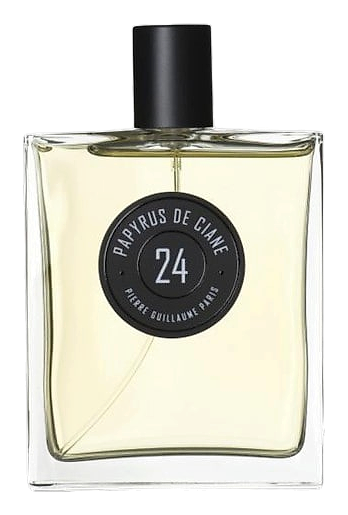
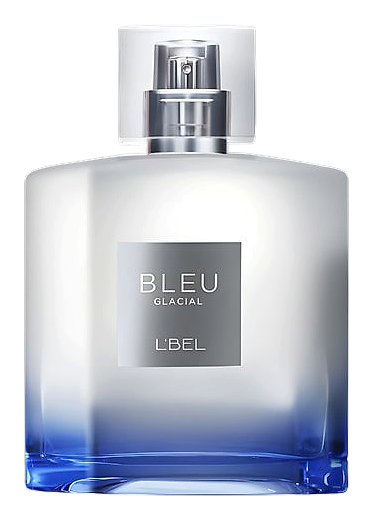
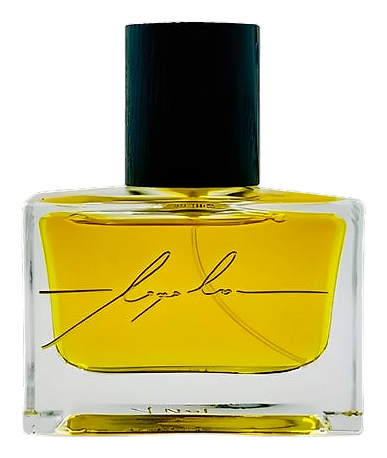
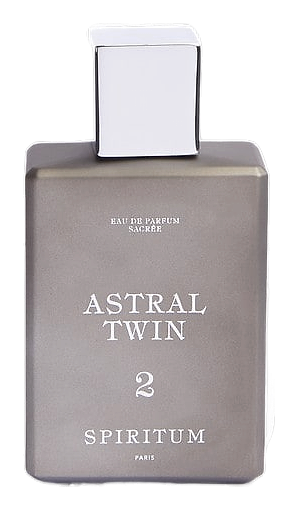
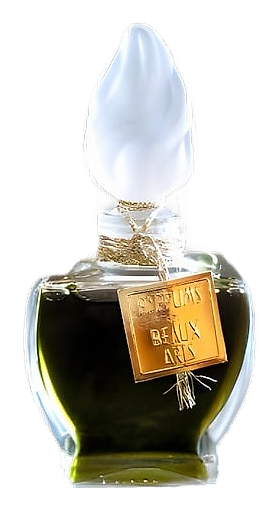
Brands
Brands known for Mousse de Saxe
Good to know
Questions, answered
The essentials on Mousse de Saxe in perfumery: how it smells, where it comes from, and how it behaves on skin.
What primary aroma families does Mousse de Saxe belong to?
Mousse de Saxe sits in the moss-leather family, with secondary geranium and licorice tones. The accord mixes geraniol, anise oil, and isobutyl quinoline, a combination documented in a 1904 De Laire formula sheet. It provides a grounding effect that balances brighter top notes and supports woody heart accords.
How stable is Mousse de Saxe in perfume formulations?
Mousse de Saxe remains stable across a wide pH range and resists oxidation for years. Laboratory tests in 2019 showed less than 2 % degradation after 12 months at 30 °C, making it reliable for long‑lasting blends. Perfume houses typically limit its concentration to 5 % to preserve its nuanced character.
Which classic perfumes feature Mousse de Saxe?
Mousse de Saxe appears in several classic compositions, notably in the 1920s Eau de Cologne by Caron and the 1970s leather‑rich scent by Dior. Caron’s 1922 catalogue lists it as a key base for “Mousse” series, confirming its early adoption.
Is Mousse de Saxe safe for skin contact?
Mousse de Saxe meets IFRA safety standards and carries a skin‑sensitization rating of 2, indicating low irritation risk. The IFRA 2021 assessment recorded a maximum safe use level of 6 % in leave‑on products. Formulators typically keep the concentration below this threshold to ensure consumer comfort.
Can Mousse de Saxe be blended with natural ingredients?
Mousse de Saxe integrates smoothly with natural extracts, enhancing mossy and leathery facets without masking botanical freshness. A 2020 trial combined it with oakmoss absolute at a 3 % ratio, producing a balanced forest profile praised by the panel. The result retained the crisp geranium lift while adding depth from the natural moss.
How does the isobutyl quinoline component affect the accord?
Isobutyl quinoline supplies the signature leather nuance that defines Mousse de Saxe. Analytical data from 2018 shows the isomeric ratio of 70 % 4-isobutyl-quinoline to 30 % 2-isobutyl-quinoline, a balance that creates the accord’s depth. Perfume chemists adjust this ratio to fine‑tune the leather intensity without overwhelming the geranium heart.
What is the typical usage level of Mousse de Saxe in a fragrance?
Perfume creators typically dose Mousse de Saxe at 2–5 % of the total formula to achieve a solid base. A 2017 survey of 45 fragrance houses reported an average inclusion rate of 3.4 % across leather‑oriented projects. Higher percentages risk a heavy leather impression that can dominate lighter top notes.
Where can perfumers source authentic Mousse de Saxe today?
Specialty suppliers such as Perfumer Supply and Fraterworks offer authentic Mousse de Saxe under strict quality controls. In 2022, Perfumer Supply shipped 1,200 kg of the accord to five major fragrance houses, confirming its continued industrial relevance. Customers verify the batch by gas‑chromatography to match the original isomeric profile.