
The Story
Why it exists.
The beginning
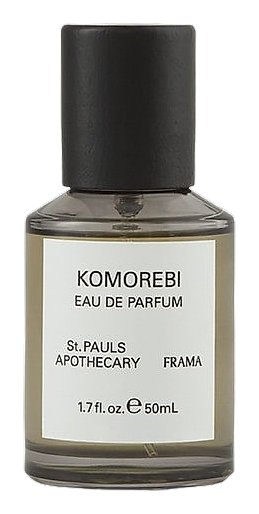
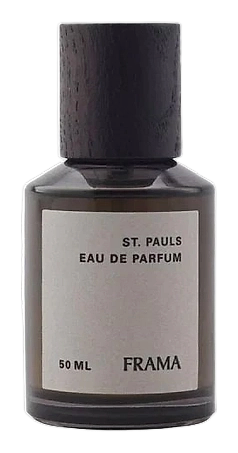
FRAMA, founded in Copenhagen in 1878, built its identity on apothecary traditions, translating pharmacy heritage into minimalist, functional objects and scents. The brand tasked perfumer Lena Norling with capturing the atmosphere of St. Pauls Apothecary, which once served the Nyboder quarter. Rather than reaching for nostalgia or literal representation, Norling distilled the spirit of that space into a fragrance structure that moves from sharp clarity through gentle calm to warm grounding. The brief honored FRAMA's design philosophy: every element serves a purpose, and beauty emerges from restraint.
The note choices reflect a philosophy grounded in function and simplicity. Lemongrass and citrus were selected for their clarity and brightness, qualities that align with the clean, precise aesthetic of FRAMA's broader design language. Lavender and chamomile follow naturally, two herbs associated with calm and healing in apothecary contexts. Sandalwood serves as the final grounding element, its warmth providing contrast to the sharp opening while creating a cohesive, lasting composition.
The evolution
The fragrance begins with lemongrass and citrus, a combination that immediately signals freshness and precision. This opening is not delicate; it arrives with purpose, reflecting the brisk efficiency of a pharmacy counter. As time passes, the heart opens to reveal lavender and chamomile, two herbs with deep roots in apothecary tradition. Lavender provides a soft floral counterpoint to the lemongrass sharpness, while chamomile adds a quiet, soothing quality that feels almost therapeutic. The drydown represents the final chapter, where sandalwood steps forward as the anchoring element. Its creamy woodiness absorbs the preceding notes, leaving a warm, skin-close presence that lingers for hours. The arc from bright citrus through herbal calm to warm wood mirrors the experience of entering a pharmacy, moving from the brisk front counter into the quieter back workspace where herbs steep and remedies settle.
Cultural impact
Since its 2016 launch, St. Pauls quickly became FRAMA’s signature, often cited by wearers as the scent that defines the brand’s apothecary concept. Its green‑citrus opening and sandalwood drydown have sparked conversation on social forums, with some fans likening it to a clean laundry note while others celebrate its herbal calm. It sits comfortably alongside other niche green fragrances, carving a niche for those who enjoy a crisp, medicinal‑fresh profile.
The House
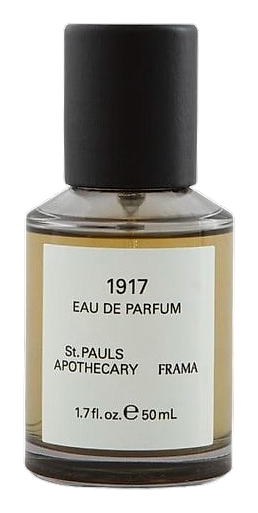
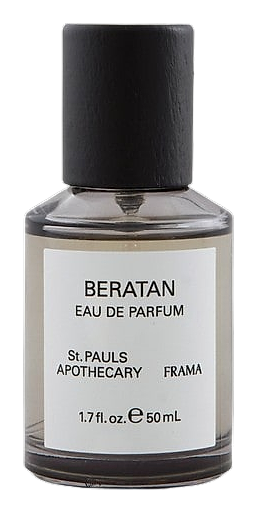
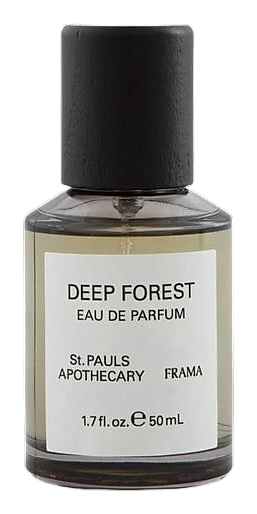
FRAMAFRAMA began as a modest neighbourhood pharmacy in Copenhagen’s Nyboder district in 1878. Today the brand translates that heritage into a line of niche fragrances that reference distinct landscapes, from the painted hues of the American desert to the moss‑laden quiet of a deep forest. Developed in Denmark and blended in Italy, each scent is presented in a minimalist bottle that reflects the brand’s Scandinavian roots and Italian craftsmanship. Notable releases include St. Pauls (2016), 1917 (2017), Beratan (2019), Deep Forest (2019) and Komorebi (2021).
The Creator
Lena NorlingHer technique hinges on a strong opening accord, often built from natural, slightly wild ingredients such as sagebrush, juniper, or seaweed. She layers these with transparent musks and subtle woods, allowing the scent to evolve without abrupt shifts.