
The Story
Why it exists.
The beginning
Muguet is built around the quiet image of lily of the valley, a flower associated with fresh mornings, pale gardens, and the kind of beauty you notice before anyone else does. The fragrance opens with green notes and lily of the valley, creating a crisp, botanical impression that feels clean and alive. As it settles, the floral character becomes softer and more delicate, while the greenery continues to give the composition structure. Nothing here needs a grand reveal. The point is to make a floral feel vivid, with enough green definition to keep it from turning syrupy and enough softness to remain close to the skin.
What makes Muguet interesting is the tension between delicacy and clarity. Lily of the valley can feel almost weightless, while green notes give it a cool stem-and-leaf edge. The floral accord gradually gains body without losing that transparency, creating a center that feels polished but never heavy. As the scent wears on, its sharp edges soften, and the impression settles closer to the skin. The greenery remains the quiet foundation, keeping the composition fresh, while the floral character develops into a gentle, lasting garden atmosphere rather than a dense bouquet.
The evolution
The first impression is crisp and botanical, with green notes carrying the lily of the valley upward before the flower settles into view. As the opening softens, the floral accord becomes fuller, shifting from leafy freshness to a smooth, delicate texture. The flower remains recognizable throughout this change, framed by the greenery rather than overwhelmed by it. Over time, the sharper opening gives way to a close, soft impression that blends with the warmth of skin. The final character is less like a bouquet than clean skin, pale fabric, and a trace of green kept near the body.
Cultural impact
Muguet reflects a restrained side of fragrance, where atmosphere matters as much as impact. Lily of the valley creates a clean floral impression, while the green notes lend freshness and a subtle sense of movement. The composition can be appreciated for its delicacy, particularly by those drawn to pale floral scents and the feeling of a garden before the heat of the day settles in. Its appeal is intimate and precise, resting close to the skin rather than filling the room.
The House
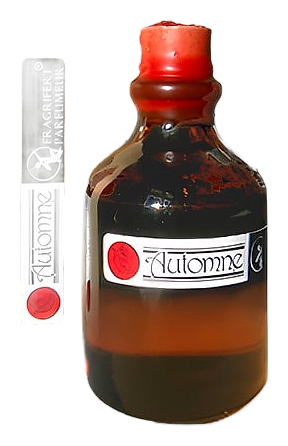
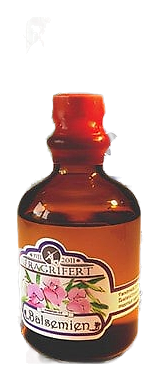
Fragrifert ParfumeurFragrifert Parfumeur is a Wellington perfume house and small perfumery devoted to recreating fragrances associated with the Victorian era. Founded by Francesco van Eerd, the brand presents itself as a working museum of scent, pairing historic-style compositions with a contemporary boutique. Its catalogue spans floral, seasonal and archival fragrances, including Gardenia, Muguet, Cyclamen, Printemps, Automne, Ete and Hiver Perfume, as well as Balsemien and Ajonc, both dated 1900 in the brand records. The central attraction is the idea that perfume can be experienced as a historical artefact, interpreted through smell rather than through a conventional retail display.
The Creator
Expressions Parfumees GrasseThe signature of Expressions Parfumees lies in its layered architecture. A typical composition opens with a bright top, often a citrus burst or a sparkling aldehyde, then settles into a heart built from floral or aromatic notes that echo the region’s gardens.