
The Story
Why it exists.
The beginning
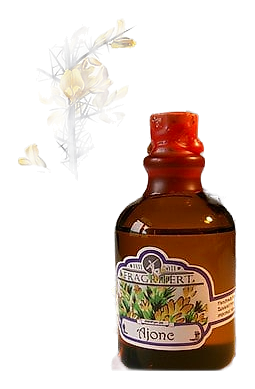
Ajonc takes its name from gorse, the flowering shrub known as Ajonc and recorded as Ulex europaeus. Its inspiration is rooted in nature rather than invention: days of bright sunshine in dunes or meadows, where the plant's yellow flowers and spiny branches establish a vivid botanical setting. The composition, launched in 1900, translates that landscape into fragrance. What emerges is the gorse itself, green and cool-herby, but seen from an unexpected angle. Coconut enters the picture, giving the countryside a tropical softness that feels as improbable as it is persuasive. Rich, narcotic-buttery facets lend the composition depth, while the pairing of grassy green notes and creamy coconut creates a fragrance that feels both natural and deliberately unexpected.
Gorse is usually imagined through its dense yellow blooms and rugged landscape. Its scent is less straightforward. It carries a rich, narcotic-buttery quality, with green and cool-herby notes that keep the sweetness from becoming syrupy. Coconut, the composition's second defining material, brings a creamy tropical echo and an unexpected snap of recognition. Together they make gorse seem almost edible, as though warm sunlight has settled into the skin.
The evolution
The opening begins with green, herbaceous brightness, the smell of a meadow opening under strong sun. As the scent settles, coconut and gorse take over, but they don't move in a straight line. Cream meets green; tropical sweetness meets herby depth; the result feels rich without becoming heavy. The vanilla, sweet, lactonic, tropical and nutty accords give the middle a rounded, almost edible warmth, while gorse keeps a distinct grassy thread running through it. The surprising part is how closely coconut and gorse echo each other. One is lush and mineral-cool, the other soft and buttery, yet together they suggest a field transformed by tropical heat. The composition develops through contrasts rather than a simple progression: freshness gives way to cream, herbaceous green remains threaded through sweetness, and the dry, nutty facets lend a warmer finish.
Cultural impact
Ajonc is notable for taking a familiar botanical reference and placing it in an unfamiliar sensory context. Gorse contributes green, cool-herby notes and a rich, narcotic-buttery quality, while coconut adds a creamy tropical dimension that complicates the shrub's natural associations. Rather than presenting gorse as a straightforward meadow scent, the composition makes it surprising through contrast. The result invites appreciation of how perfume can evoke vegetation and warmth at once, giving the familiar idea of a flowering field an entirely different character.
The House
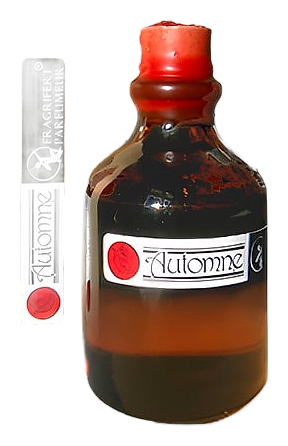
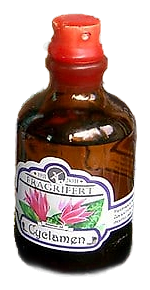
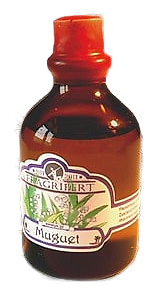
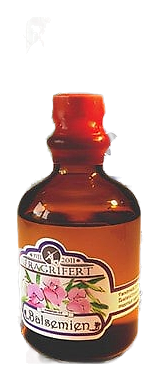
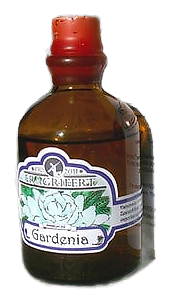
Fragrifert ParfumeurFragrifert Parfumeur is a Wellington perfume house and small perfumery devoted to recreating fragrances associated with the Victorian era. Founded by Francesco van Eerd, the brand presents itself as a working museum of scent, pairing historic-style compositions with a contemporary boutique. Its catalogue spans floral, seasonal and archival fragrances, including Gardenia, Muguet, Cyclamen, Printemps, Automne, Ete and Hiver Perfume, as well as Balsemien and Ajonc, both dated 1900 in the brand records. The central attraction is the idea that perfume can be experienced as a historical artefact, interpreted through smell rather than through a conventional retail display.
The Creator
Francesco van EerdVan Eerd's style favors the evocative language of Victorian fragrance, with compositions that appear textured, enveloping and strongly imagined. His work through Fragrifert Parfumeur suggests an interest in period character, natural ingredients and carefully judged presentatio…