The Story
Why it exists.
The beginning
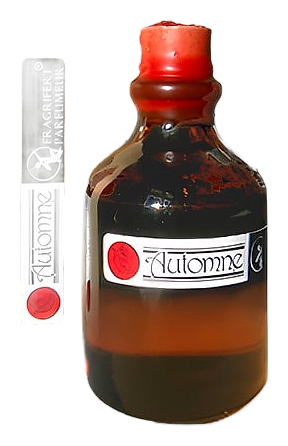
Automne takes its name from the French word for autumn, a season when shortening daylight cools the air and fallen leaves give way to the preserving aromas of the kitchen. Its composition follows that seasonal memory through a cool, green meeting of mint and dill, sharpened by cinnamon and grounded by calamus. Mint supplies the crisp opening lift, while dill adds a softer herbal facet that keeps the freshness from feeling stark. Cinnamon introduces dry, warming spice, and calamus lends an earthy depth that gives the green notes a more grounded foundation. The result is a fragrance built around contrasts: cool foliage against warm spice, aromatic herbs against rooted woodiness, and brightness against a darker, more contemplative centre.
The unusual part is how closely the notes share a natural aromatic profile. Calamus brings a green, slightly earthy edge, while mint and dill extend the impression of crisp leaves and damp morning air. Cinnamon then cuts across that coolness with dry warmth. The result is neither a conventional autumn spice scent nor a straightforward herbal fragrance. It holds an unusual tension, bright and vegetal up front, warmer and woody as the composition settles.
The evolution
The opening begins on an autumn-morning clarity: mint and dill feel almost cold, with green herbal edges that bring a window-fresh chill to the composition. Mint gives the first impression its crisp lift, while dill rounds the brightness with a softer, more aromatic herbal character. Cinnamon arrives quickly, introducing dry heat without pulling the scent toward a kitchen or baked-goods cliché. Calamus remains the bridge, giving the middle a rooted, earthy quality that deepens the contrast between the fresh opening notes and the warmer spice. As the fragrance ages, the green notes soften while cinnamon stays legible, leaving a warm, woody trail that feels closer to bark, dried leaves, and a spice cupboard than to a conventional gourmand. The scent remains present through the wear, shifting gradually from vivid herbal freshness into a drier, spicier and more grounded finish.
Cultural impact
Automne offers a seasonal expression built around the contrast between fresh greenery and warming spice. Mint and dill evoke the cooler air of an autumn morning, while cinnamon and calamus add a drier, more grounded character suggestive of leaves, bark and stored spices. The composition rewards close attention because its opening brightness gives way to warmer, earthier notes rather than remaining uniformly fresh. For discovery-minded wearers, it presents autumn through scent alone, without relying on sweetness or heavy gourmand richness to signal the season.
The House
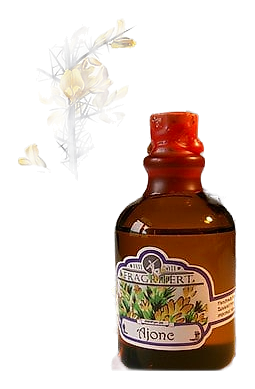
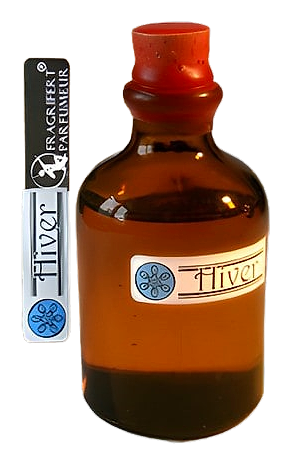
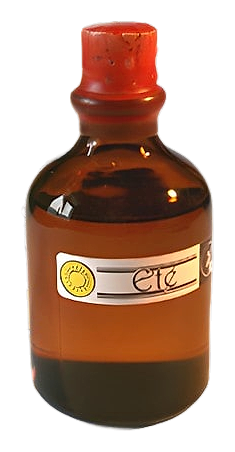
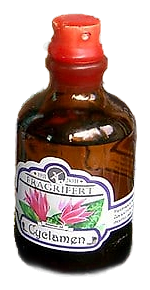
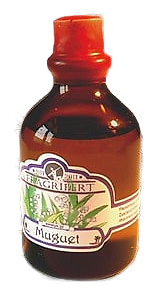
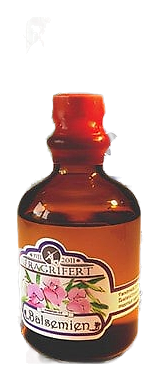
Fragrifert ParfumeurFragrifert Parfumeur is a Wellington perfume house and small perfumery devoted to recreating fragrances associated with the Victorian era. Founded by Francesco van Eerd, the brand presents itself as a working museum of scent, pairing historic-style compositions with a contemporary boutique. Its catalogue spans floral, seasonal and archival fragrances, including Gardenia, Muguet, Cyclamen, Printemps, Automne, Ete and Hiver Perfume, as well as Balsemien and Ajonc, both dated 1900 in the brand records. The central attraction is the idea that perfume can be experienced as a historical artefact, interpreted through smell rather than through a conventional retail display.
The Creator
Francesco van EerdVan Eerd's style favors the evocative language of Victorian fragrance, with compositions that appear textured, enveloping and strongly imagined. His work through Fragrifert Parfumeur suggests an interest in period character, natural ingredients and carefully judged presentatio…