
The Story
Why it exists.
The beginning
Cyclamen is presented as a perfume launched in 1900, with Gustave Alphonse Fragrifert credited as its perfumer. Its inspiration is the flower that favors cold weather, translated into a floral composition for people who wear scent as a form of cultural immersion rather than simple adornment. The name is direct, the reference is old, and the effect is deliberate: a polished register with a clean, modern sensibility. There is no need to dress the concept up in more history than the record supports. The simple fact is intriguing enough. A flower associated with coolness becomes an exercise in restraint, suitable for anyone drawn to compositions that suggest composure without shouting for attention.
Cyclamen works because its defining notes sit in productive opposition. Floral gives the composition its manners, freshness keeps it from becoming heavy, fruit adds a small point of appetite, water brings air to the whole, and powder softens the edges. None needs to dominate. Together, they create a transparent floral impression: polished enough for a formal room, but fresh enough for daylight. The result is less like a floral bouquet and more like the moment after someone steps outside, still carrying the chill of the garden on their coat.
The evolution
The opening arrives with a cool, almost weightless clarity. Floral and fresh notes give it the feeling of pale light on stone, while fruit adds a bright, clean point of interest rather than sweetness. As the scent settles, the watery quality becomes more apparent, and powder enters the frame with a soft, blurred finish. The composition does not suddenly transform into something darker. It simply draws inward, becoming more intimate and quietly powdery. On skin, it develops gradually, moving from a clear floral opening toward a softer, more enveloping drydown. The bright fruit character gives way as the floral heart becomes more defined, while the powdery notes smooth the composition into a quiet finish. What remains is the impression of cool flowers and clean air, softened to a powdery trace that lingers close rather than filling the room.
Cultural impact
Cyclamen draws its identity from the flower named on its label, a bloom associated with cool weather. Within Fragrifert Parfumeur's cultural register of scent, the fragrance turns that natural reference into an atmosphere of composure and restraint. Its floral, fresh, fruity, watery, and powdery elements offer a distinctive point of discovery for anyone interested in compositions that balance clarity with softness.
The House
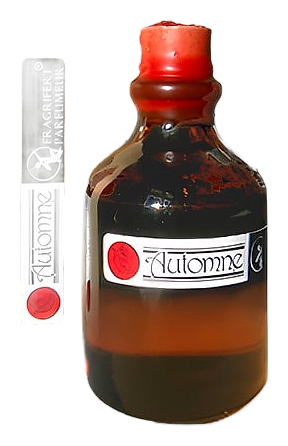
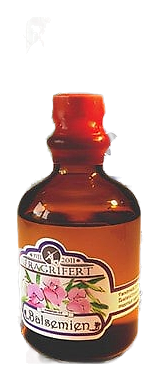
Fragrifert ParfumeurFragrifert Parfumeur is a Wellington perfume house and small perfumery devoted to recreating fragrances associated with the Victorian era. Founded by Francesco van Eerd, the brand presents itself as a working museum of scent, pairing historic-style compositions with a contemporary boutique. Its catalogue spans floral, seasonal and archival fragrances, including Gardenia, Muguet, Cyclamen, Printemps, Automne, Ete and Hiver Perfume, as well as Balsemien and Ajonc, both dated 1900 in the brand records. The central attraction is the idea that perfume can be experienced as a historical artefact, interpreted through smell rather than through a conventional retail display.
The Creator
Francesco van EerdVan Eerd's style favors the evocative language of Victorian fragrance, with compositions that appear textured, enveloping and strongly imagined. His work through Fragrifert Parfumeur suggests an interest in period character, natural ingredients and carefully judged presentatio…