The Story
Why it exists.
The beginning
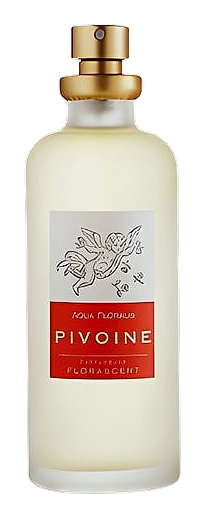
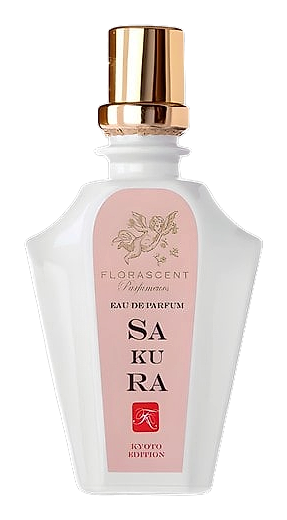
Sakura by Florascent launched in 2013, a year when the fragrance house was already known for building quiet, natural-focused compositions around clarity and subtlety. Its name points directly to sakura, the Japanese cherry blossom, and the composition carries that association through a floral heart rather than a literal, sugary blossom profile. Grapefruit supplies the first lift, while jasmine and champaca create the airy white-flower center. Palisander rosewood introduces a darker woody line, and osmanthus gives the final impression a warm, honeyed floral depth. The result feels less like a costume for spring and more like spring remembered after the petals have fallen.
What makes Sakura interesting is the handoff between its floral heart and its woody base. Jasmine and champaca bring a luminous, airy softness, but rosewood keeps the composition from floating away like powder. Osmanthus then adds a warmer, apricot-like floral shadow, turning a familiar sakura reference into something more dimensional. Grapefruit makes the opening crisp enough to hold attention. Nothing here needs to shout for the scent to feel present.
The evolution
Sakura begins with a clean, citrus-bright lift, then moves into a floral middle that feels both airy and creamy. The white-flower notes never become entirely sheer; jasmine gives the heart a polished presence, champaca adds a soft tropical warmth, and rosewood lays down a fine dark grain beneath them. As the opening fades, the composition gathers weight. The floral sweetness becomes less sugary and more textured, with osmanthus leaving a warm, rounded trace that sits close to the skin. By the later drydown, the scent feels like a quiet woody floral rather than a spring snapshot. Moderate sillage keeps it present without making it the only thing in the room, and the 6-8 hour wear leaves enough trail for a workday, dinner, or a long afternoon without making the perfume feel repetitive.
Cultural impact
Florascent positions Sakura for the thoughtful collector who enjoys fragrance as a private language, not a public performance. Its appeal sits in the meeting place between floral familiarity and restrained woody structure, making it especially fitting for wearers drawn to detailed, quietly expressive compositions.