
The Story
Why it exists.
The beginning
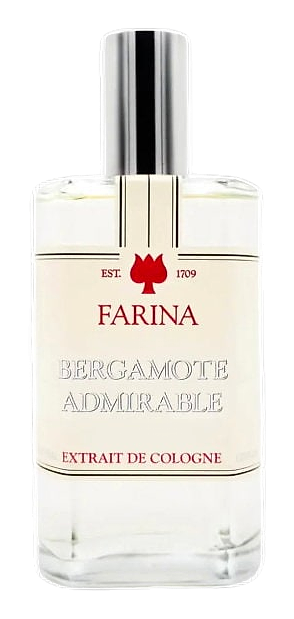
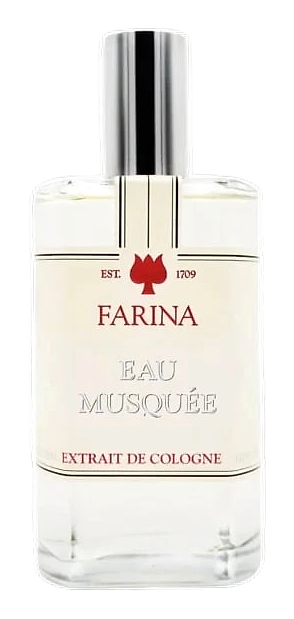
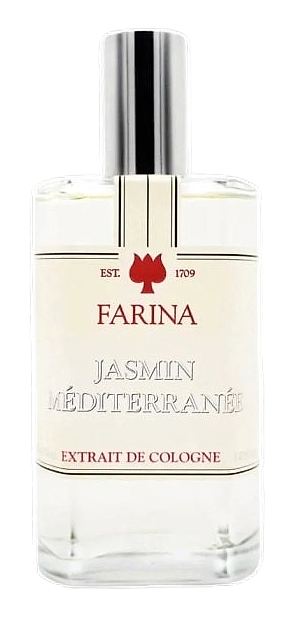
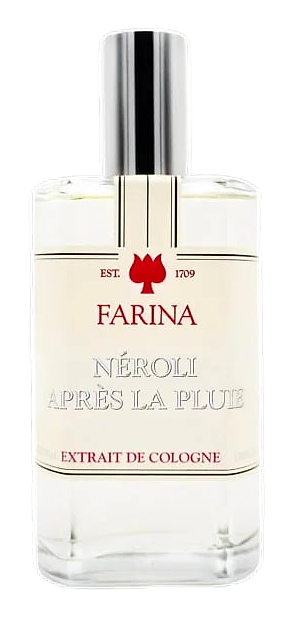
The name translates to neroli after the rain, and that's not poetry for poetry's sake. It's part of the Série Extrait de Cologne, a six-piece collection Farina 1709 introduced in 2026 to draw on the house's centuries-deep relationship with citrus-led compositions. The collection treats cologne not as a fleeting splash but as something with extract-level depth. The composition centers on that specific sensory shift when an orange grove has been touched by rainfall and the scent seems to intensify, the way air can feel rinsed and renewed. What does it feel like to step outside after weather has scrubbed the world clean? That's the territory this composition occupies.
What makes this composition interesting is the fig. The fig adds a green, almost vegetal sweetness that grounds the neroli and gives it weight. Without it, the whole thing would float away. The black tea in the heart is equally deliberate, a quiet bridge between the fruit-laden top and the woody base, lending a tannic dryness that reads like steeped leaves rather than air freshener. There's something clever about how the tea doesn't announce itself; it just sits beneath the neroli and orange blossom, pulling them toward something more contemplative.
The evolution
The first fifteen minutes are almost aggressive in their brightness. Bergamot cuts sharp, fig leaf adds that green crunch, and the petitgrain keeps the citrus from going sweet. It smells like biting into something cold and ripe at the same time. From around the twenty-minute mark, the neroli takes command, and the orange blossom joins it without fanfare. This is the phase that earns the name. The neroli here has that specific post-rain intensity, almost metallic at first, then softening into something honeyed and full. The black tea emerges quietly beneath the florals, adding a dry, leafy undertone that keeps the composition from tipping into simple sweetness. Around the forty-minute mark, you start to feel the transition toward base notes, but the transition is so gradual it's almost imperceptible; the neroli simply steps back half a pace rather than leaving.
Cultural impact
As part of the 2026 Série Extrait de Cologne, this release fits within a collection that treats cologne as a serious format rather than a lightweight afterthought. The fig and black tea pairing gives the composition real depth, anchoring what could otherwise be a fleeting neroli rendering into something with more presence and duration. It sits closer to the contemplative end of the citrus spectrum than the sporty one. There's a quiet sophistication to how the florals interact with the tea and the wood, and the composition rewards attention rather than demanding it.
The House
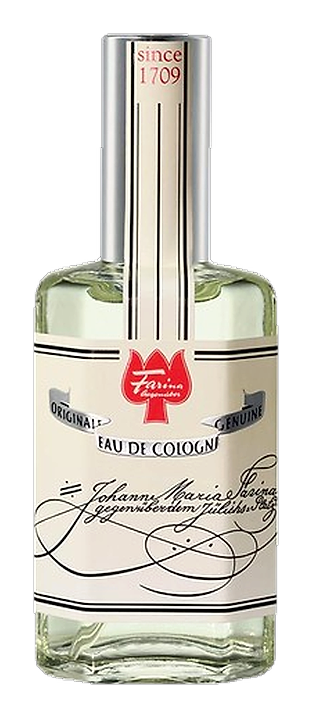
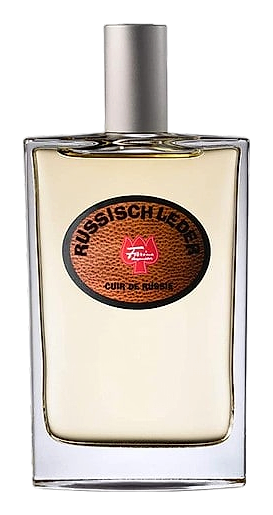
FarinaFarina 1709 is the world's oldest perfume house, established in Cologne in 1709. Johann Maria Farina, an Italian-born perfumer, created the Original Eau de Cologne, a fragrance that would eventually give its name to an entire category of citrus-based colognes. The company remains in family hands, with successive generations continuing production at the original location on Obenmarspforten square in the heart of Cologne. Beyond their heritage line, Farina has developed additional fragrance collections including Russisch Leder, Vis-a-Vis, and the Kölnisch Juchten series. The house operates a museum where visitors can explore artifacts from over three centuries of continuous operation. Production methods and the original formula remain closely guarded by the family.
The Creator
Louise FarinaLouise Farina's hand is rooted in the radiant, herbal-citrus vocabulary that defined the original Eau de Cologne. Bergamot, lemon, neroli, lavender, and rosemary form her instinctive palette, the notes her family has built with for over three hundred years.