
The Story
Why it exists.
The beginning
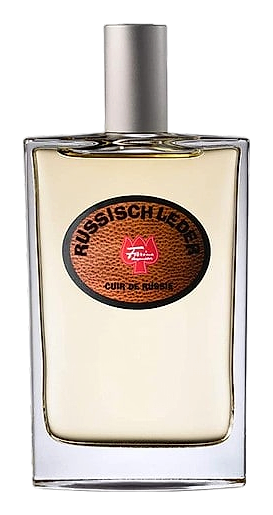
In 1967, Hugo Janistyn reached back to an era defined by leather and smoke. Russian leather, Cuir de Russie, was a specific thing: smoked, balsamicky, unmistakably animalic. The 1920s had loved it. Janistyn built the fragrance around that core, wrapping it in citrus and basil to keep it from becoming a leather straightjacket, and launched it. The citrus opens bright and sharp before the deeper notes take hold, while the basil adds an herbal lift that prevents the composition from becoming too heavy. Russisch Leder. The name is the concept.
What makes this structure unusual is the fougère heart sitting beneath the leather. Fern, vetiver, cedar, those aromatic greens that usually belong to fresh masculine compositions, threading through the tar and smoke. Carnation adds a dry spice that nobody expects from a leather. The effect is vintage without being musty: a leather that breathes, that has movement in it, rather than sitting heavy on the skin. The styrax brings a sweet-balsamic lift that prevents the whole thing from becoming one long smoke signal.
The evolution
The opening arrives bright, lemon and bergamot, clean and immediate. Basil adds a green snap that keeps the citrus from being precious. Thirty minutes in, the leather announces itself: not polite, not soft, but tar and smoke and birch. The fougère heart, fern, vetiver, cedar, settles in next to it, aromatic and dry. Carnation adds a spice that threads through. By hour three, the Russian leather has taken full command. Moss and musk ground it, styrax adds a sweet-balsamic counterpoint, vanilla quietly sweetens the base. The drydown lingers close to the skin, intimate rather than announced, the kind of presence you notice when someone leans in.
Cultural impact
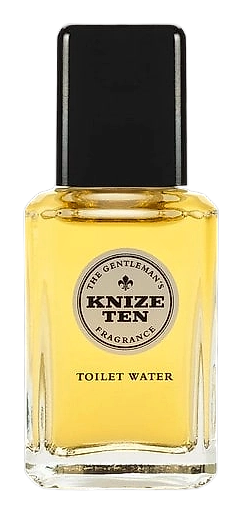
Russisch Leder is a leather fragrance with real character. It's a fragrance that knows what it is, with a strong, distinctive presence that some find challenging and others find compelling. It shares company with Knize Ten, another leather-forward masculine with fougère bones. It's not for every occasion or every nose. For those who get it, it becomes a quiet obsession.
The House
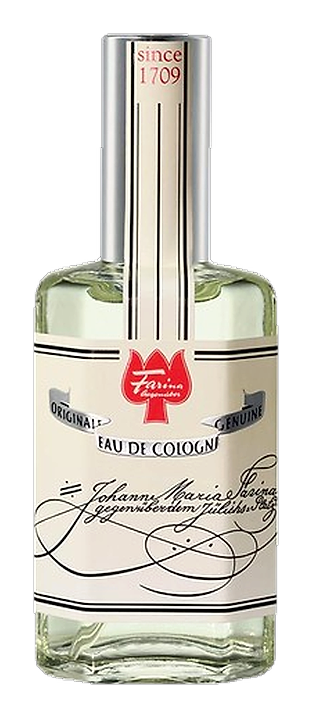
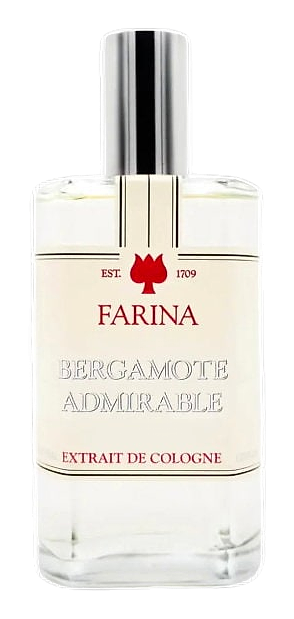
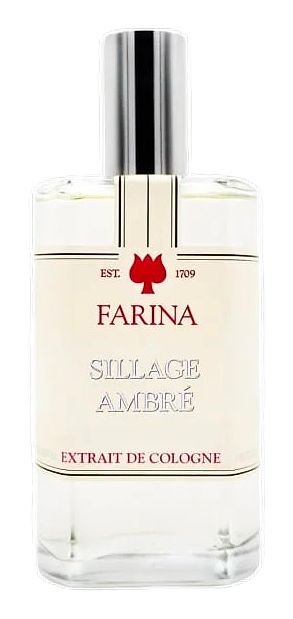
FarinaFarina 1709 is the world's oldest perfume house, established in Cologne in 1709. Johann Maria Farina, an Italian-born perfumer, created the Original Eau de Cologne, a fragrance that would eventually give its name to an entire category of citrus-based colognes. The company remains in family hands, with successive generations continuing production at the original location on Obenmarspforten square in the heart of Cologne. Beyond their heritage line, Farina has developed additional fragrance collections including Russisch Leder, Vis-a-Vis, and the Kölnisch Juchten series. The house operates a museum where visitors can explore artifacts from over three centuries of continuous operation. Production methods and the original formula remain closely guarded by the family.
The Creator
Hugo JanistynUnable to provide verified information on Hugo Janistyn's stylistic signature, techniques, or ingredient preferences.