
The Story
Why it exists.
The beginning
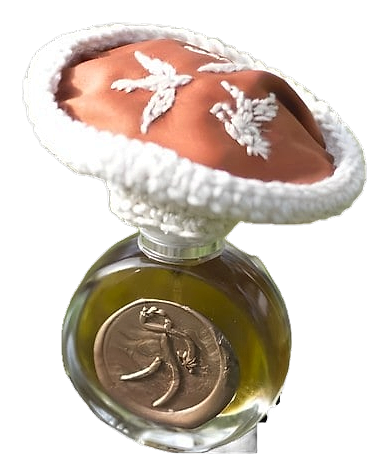
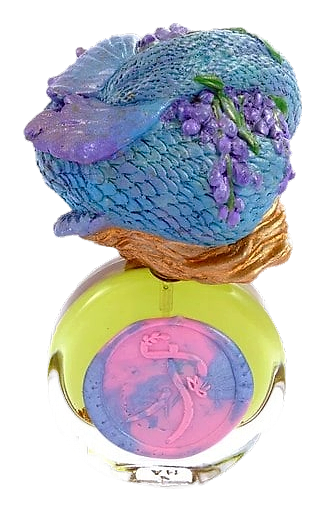
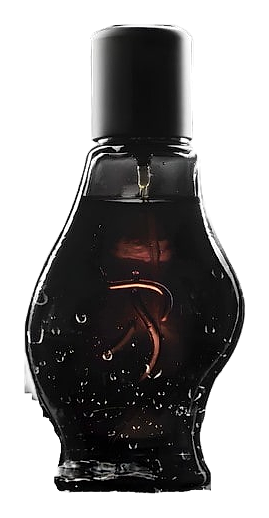
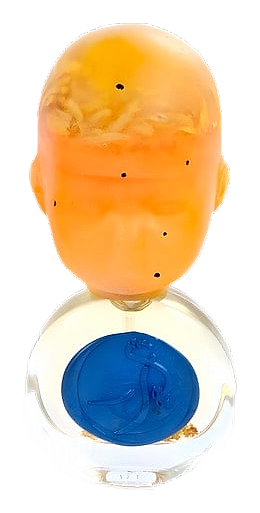
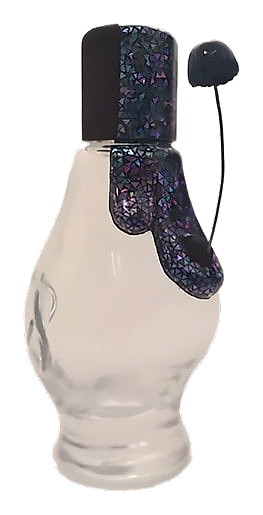
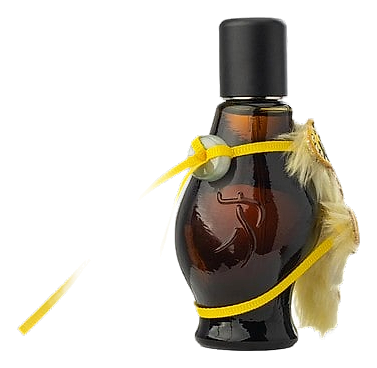
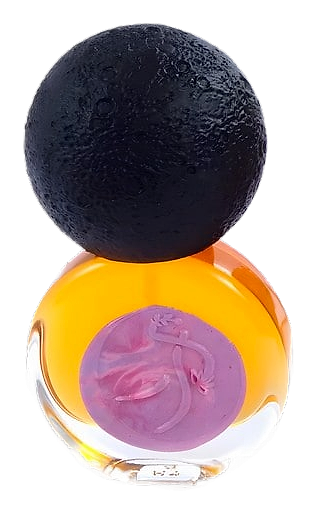
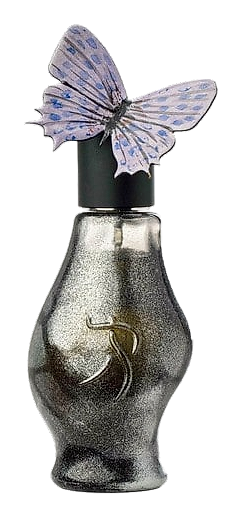
Formosa Butterfly arrived as part of Fang Aromatherapy's expanding library of compositions built from locally sourced essences inspired by Taiwanese folktales. The name itself, Die Xian, draws its character directly from Mandarin, where die means butterfly and xian means immortal or spirit, a poetic figure rather than a literal translation. The fragrance reads as a quiet study in contrast: ingredients that suggest both herbal and saline qualities, evoking a coastline through texture and sensation rather than literal brine. That tension between something beautiful and something passing through a place runs underneath the whole composition, lending the scent its particular sense of stillness and motion held in the same breath.
What makes this composition worth attention is the unusual bridge between marine and aromatic notes. Seaweed sits in the opening alongside lavender, and the combination reads as neither aquatic nor herbal. It smells of weather, of something carried by air that has touched both land and water. The heart then folds in green tea and petitgrain, both green but distinct in their character, one steeped and the other drawn from a leaf. The base closes with osmanthus, Japanese red pine, and tobacco, a trio that adds warmth without tipping into sweetness.
The evolution
On skin, Formosa Butterfly doesn't rush. The first twenty minutes belong to seaweed and lavender, and they announce themselves with a cooling clarity. There's a brininess, yes, but it is softened, wrapped in lavender's clean herbal edge. The lavender here is not the sweet, coumarin-heavy lavender of traditional fougères but something drier, more camphoraceous, with a sharpness that keeps the seaweed from reading as damp. As the opening recedes, the heart takes over almost silently. Green tea arrives with a steeped, slightly tannic character, the kind of bitterness you get from leaves left in the water a moment too long. Petitgrain cuts in with its bitter-citrus bite, and juniper adds a peppery thread that keeps the composition from getting too soft.
Cultural impact
Formosa Butterfly draws on locally sourced essences inspired by Taiwanese folktales, placing it within a body of perfumery that uses regional narrative as compositional material. The fragrance pairs seaweed and Japanese red pine with green tea and osmanthus, a combination that brings together ingredients associated with East Asian coastal and botanical traditions. That layering gives the composition a sense of rootedness, a feeling that the scent is built from materials tied to specific landscapes and cultural references rather than drawn from a generic palette.
The House
Fang AromatherapyFang Aromatherapy is a boutique fragrance house that translates Taiwanese landscapes into scent narratives. Founded by perfumer Fang Fang, the label releases limited‑edition eau de parfums that balance precise structure with gentle transitions. Each bottle invites the wearer to explore a moment – a moonlit cigarette, a jasmine‑steeped tea, a moss‑kissed shore – while the brand remains rooted in locally sourced botanicals and a quiet, contemplative aesthetic. The collection, which includes titles such as Cigarette On The Moon (2019) and Moss (2021), has earned a modest following among collectors who value narrative depth over flash.
The Creator
Fang FangStyle characteristics for this perfumer have not been documented in available materials.