The Story
Why it exists.
The beginning
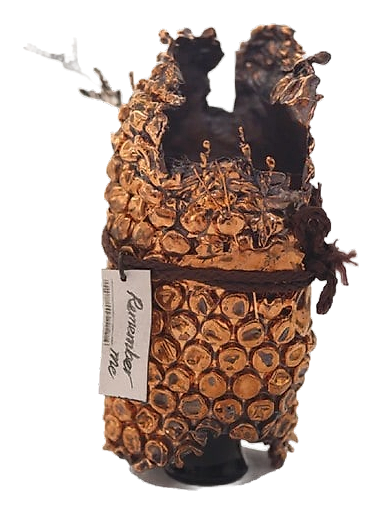
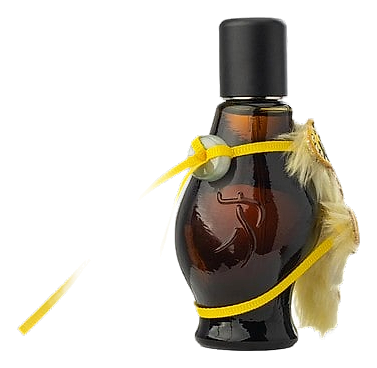
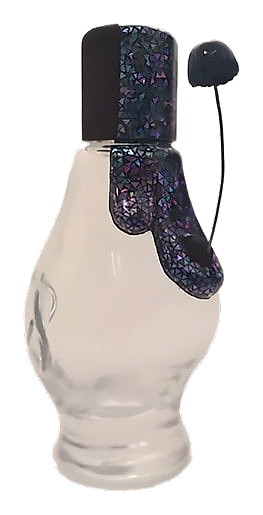
Ant Nests arrived in 2019 from Fang Aromatherapy, marking one of the earliest compositions from perfumer Fang Fang. It reads like a short story compressed into scent, a green-aromatic sketch that trades on an unlikely tension: the cool snap of peppermint against the warm sting of cloves, anchored by the anise-tinged lift of fennel. It's a fragrance that asks what happens when you pile kitchen-spice warmth over a field of wild herbs and let them duke it out. Fang Fang's intent seems clear with each wearing. The ingredients speak a language most bottles ignore, reaching for peppermint foragers, fennel growers, collectors of bay leaf, anyone who's crushed a linden blossom between their fingers and caught something green and honeyed underneath. This is fragrance as still life.
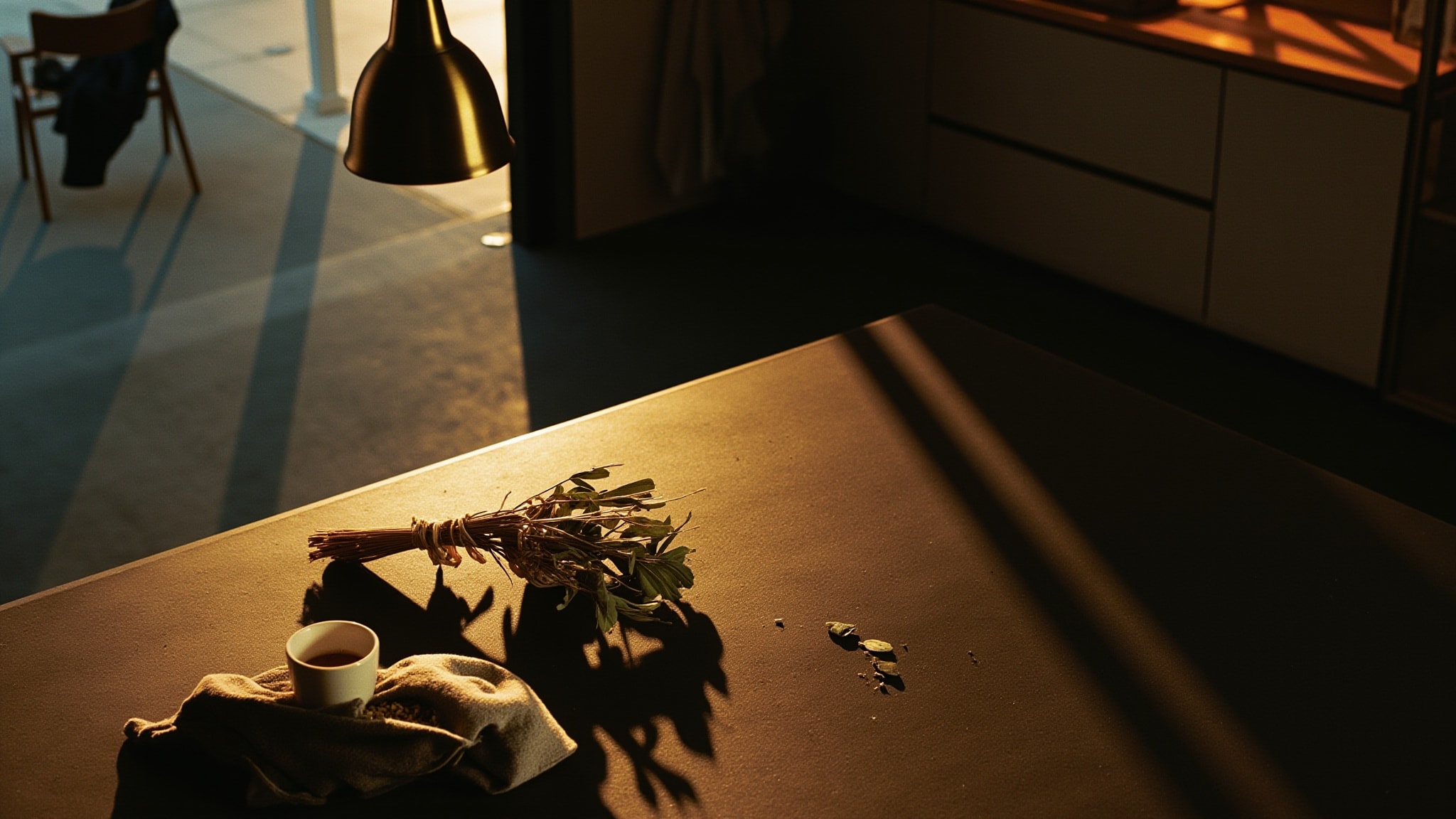
Ant Nests holds both cooling and warming elements at once, refusing to choose between them. The peppermint and cloves at the top create friction immediately, like menthol meeting incense, and that friction never fully resolves. Then fennel arrives at the heart, given room to stretch as a central player rather than a whispered accent. Yellow flowers and bay leaf settle the base into something closer to a kitchen windowsill than a garden. It is an unusual structural choice, keeping the cool elements hovering at the edges long after most fragrances would have let them fade.
The evolution
The first ten minutes are sharp. Peppermint reads almost medicinal, bracing, the way it does in toothpaste or in a glass of something cold. Cloves push in from underneath, warm and slightly sweet, building a contrast that feels alive. There's a camphor edge too, almost eucalyptus-like, that keeps the opening honest. By the 30-minute mark the sharpness softens. Fennel and bourbon geranium take over, and the composition shifts from herbal-bright to something rounder, spicier, slightly floral. Geranium here reads less rose and more green-leaf, a rubbery herbal warmth that bridges the kitchen-spice top and the floral base. The anise note from fennel threads through everything, licorice-dark and persistent. Around the 3-hour mark, the drydown begins. Yellow flowers and bay leaf settle the whole thing into a quiet, warm space. Bay leaf is the sleeper.
Cultural impact
Ant Nests occupies a niche that rewards specificity over reach. The fragrance belongs to wearers who treat scent as a sensory exercise rather than a performance piece, people drawn to compositions built on herbal tension rather than crowd-pleasing sweetness. Its audience tends to be small and attentive, collectors who appreciate when a kitchen-spice note is given the same structural weight as a flower. The fragrance rewards close attention: the way the peppermint recedes but never fully exits, the way the fennel threads through the drydown, the quiet persistence of bay leaf on fabric the next day.
The House
Fang AromatherapyFang Aromatherapy is a boutique fragrance house that translates Taiwanese landscapes into scent narratives. Founded by perfumer Fang Fang, the label releases limited‑edition eau de parfums that balance precise structure with gentle transitions. Each bottle invites the wearer to explore a moment – a moonlit cigarette, a jasmine‑steeped tea, a moss‑kissed shore – while the brand remains rooted in locally sourced botanicals and a quiet, contemplative aesthetic. The collection, which includes titles such as Cigarette On The Moon (2019) and Moss (2021), has earned a modest following among collectors who value narrative depth over flash.
The Creator
Fang FangStyle characteristics for this perfumer have not been documented in available materials.