





Heritage
A house, in its own words
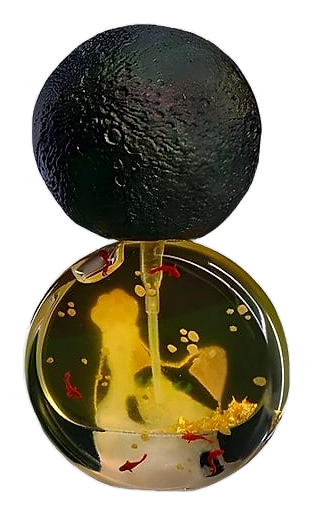
Fang Aromatherapy emerged from the creative laboratory of Fang Fang, a Taiwanese perfumer who began experimenting with natural essences in the late 2010s. Early releases, such as Ant Nests (2019) and Cigarette On The Moon (2019), signaled a willingness to pair unconventional concepts with familiar ingredients. In 2020 the house expanded its storytelling palette, unveiling Jasmine Tea On The Moon, Taiwanese Mermaid, Formosa Butterfly and Taiwanese Cupid. These scents drew on regional flora – tea leaves from high‑altitude plantations, marine notes inspired by Taiwan's coastal reefs – and reinforced the brand's commitment to place‑based composition. The following year, Fang introduced Moss, a fragrance that blends sea moss and sage, a combination highlighted in a TikTok discussion on oakmoss alternatives. 2022 saw the arrival of Doggy and No.1 Black Currant On The Piano 1988, the latter referencing a specific year and musical instrument to deepen its narrative layer. Throughout its evolution, Fang Aromatherapy has maintained a small‑batch production model, allowing the perfumer to oversee each step from raw material selection to final bottling. The brand’s modest output and focus on story‑driven scents have positioned it as a niche voice within Taiwan’s growing artisanal perfume scene, attracting attention from specialty retailers and fragrance enthusiasts who seek authenticity over mass appeal. The creative vision at Fang Aromatherapy rests on three pillars: locality, narrative clarity, and sensory balance. Fang Fang draws inspiration from the island’s mountains, tea fields and shoreline, translating those environments into olfactory sketches that read like short stories. The brand rejects generic luxury tropes, instead emphasizing the specificity of each ingredient – a single harvest of wild jasmine, a batch of sea‑collected moss, or a locally distilled tea oil. This focus on provenance informs the label’s values: transparency in sourcing, respect for seasonal cycles, and a minimalist approach to composition that avoids unnecessary complexity. By allowing each note to breathe, the fragrances achieve soft transitions that guide the wearer through a defined arc, from opening to dry‑down. Fang Aromatherapy also embraces a modest scale, believing that limited production preserves artistic integrity and reduces waste. The house encourages personal reflection, inviting users to connect the scent with memory, place or mood rather than relying on overt marketing narratives.