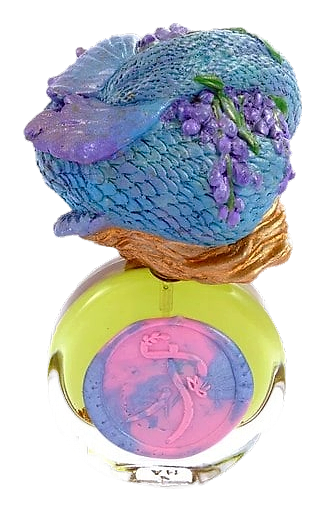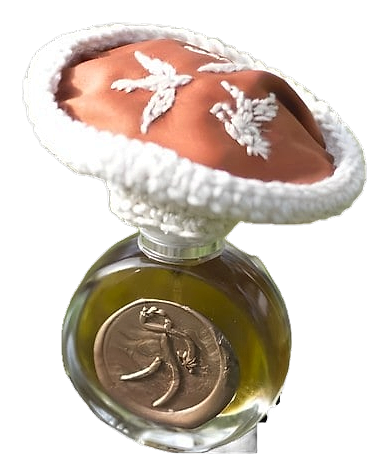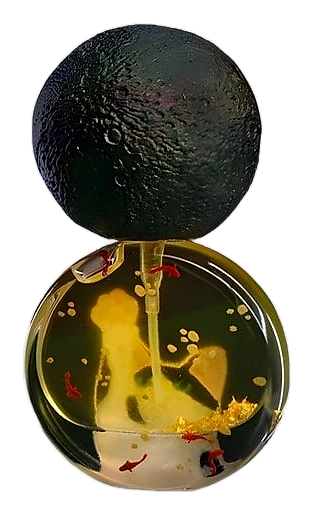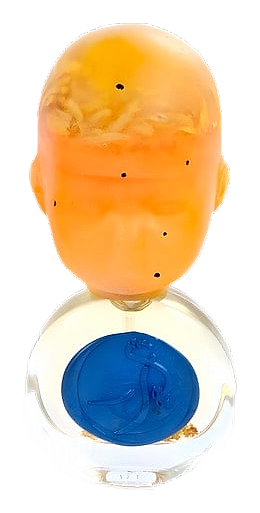
The Story
Why it exists.
The beginning
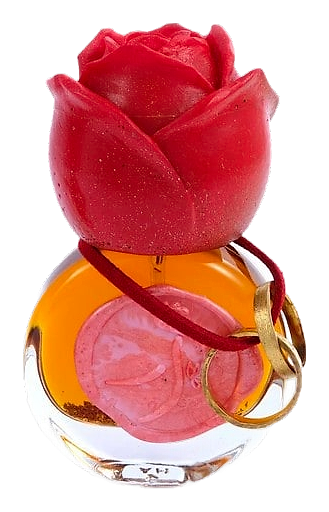
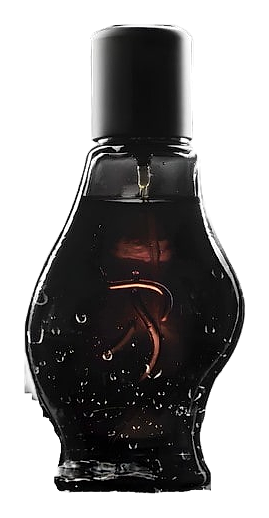
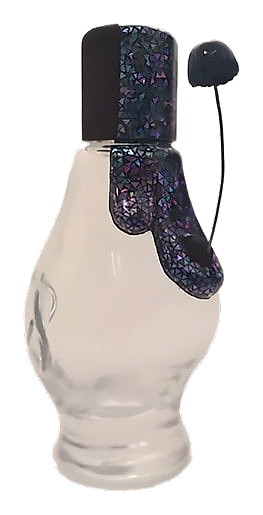
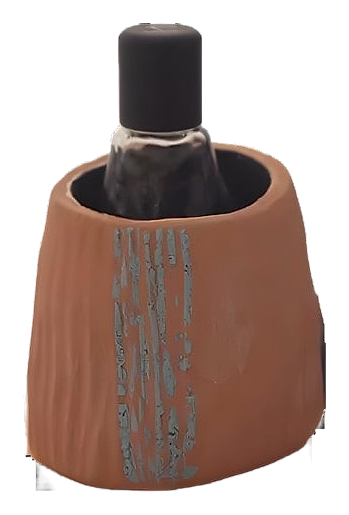
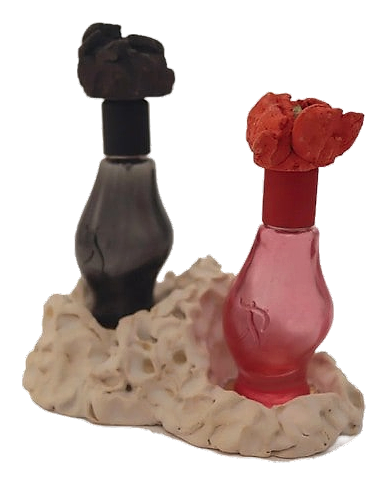
Oriental Tarot arrived in 2019 from Fang Aromatherapy. The perfumer used that release to test how far a single idea could stretch, pairing concepts with ingredients that don't always announce themselves in plain words. Oriental Tarot reads like a riff on that impulse. The title points somewhere between divination and direction, a fortune told in spice and resin rather than cards laid out on silk. Fang Fang built the composition around a tension that runs through the whole house: ingredients that feel familiar in isolation but turn strange the moment they share space. Cinnamon and chickpeas sit at the top like an opening hand, neither one common in a fragrance opening, both chosen for their dry, almost edible warmth.
The unusual choice here is chickpeas. Most spice-driven compositions reach for citrus or green herbs to brighten the top. Fang Fang skipped both and went for a legume, which contributes a soft, starchy, almost nut-like dryness. It acts as a buffer between the heat of cinnamon and the floral that follows, so the spice never burns and the rose never tips into syrup. The May rose is the anchor of the heart, chosen for its old-fashioned, slightly honeyed character rather than the dewy sharpness of a modern Turkish rose. Juniper threads through it, adding a cool, almost gin-like bitterness that keeps the heart honest. The base is where the composition finds its footing. Clary sage brings a musky, herbal softness.
The evolution
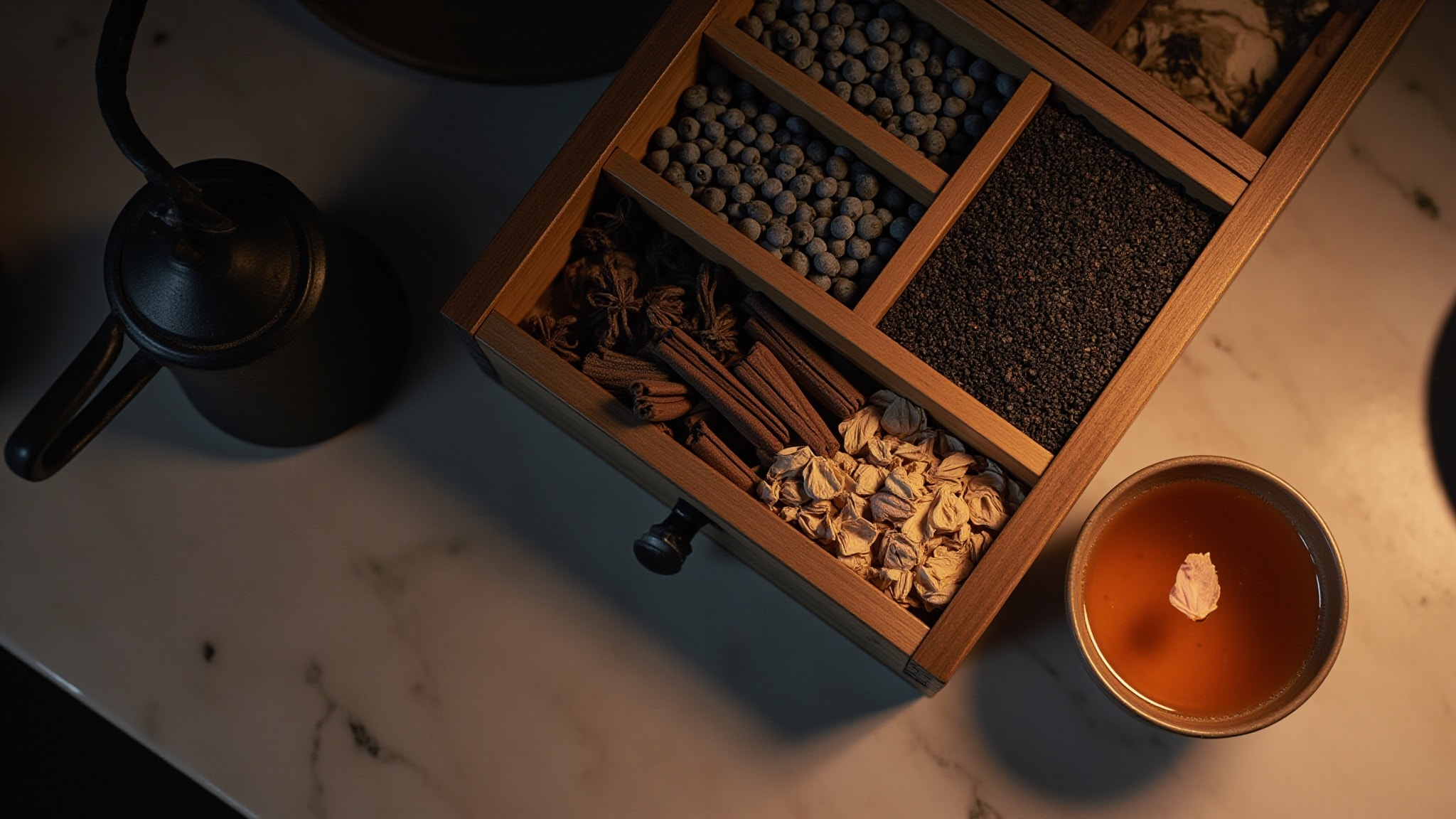
On skin, the first ten minutes are loudest. Cinnamon arrives with a dry, almost papery heat, supported by that chickpea softness which keeps the spice grounded. There's no citrus brightness cutting through, just warmth and something faintly edible, like toasted grain dusted with spice. The opening feels rooted and grounded rather than effervescent. Around the twenty-minute mark, the May rose starts to surface. It comes through slowly, not as a heady floral blast but as a dried-petal quality, slightly sweet, slightly tangy, as though preserved petals had been tucked into the wood of a drawer. Juniper works in the background here, adding a clean, resinous coolness that prevents the heart from feeling heavy. The balance between rose's sweetness and juniper's bitterness defines the middle phase. By the second hour, the base settles in. Clary sage brings a soft, herbal muskiness that diffuses the rose. Elemi lifts the composition with a bright, resinous gleam, like a window opening in a warm room.
Cultural impact
Oriental Tarot arrived in 2019 as part of Fang Aromatherapy's growing body of work. It speaks to wearers who prefer a scent that reads as a quiet statement rather than a loud one. The composition earns its place through its willingness to combine elements like cinnamon, chickpeas, rose, labdanum, and patchouli in ways that feel considered rather than accidental. On skin, the opening reads dry and edible, the chickpeas lending a nutty, almost bread-like softness to the cinnamon's spice.
The House
Fang AromatherapyFang Aromatherapy is a boutique fragrance house that translates Taiwanese landscapes into scent narratives. Founded by perfumer Fang Fang, the label releases limited‑edition eau de parfums that balance precise structure with gentle transitions. Each bottle invites the wearer to explore a moment – a moonlit cigarette, a jasmine‑steeped tea, a moss‑kissed shore – while the brand remains rooted in locally sourced botanicals and a quiet, contemplative aesthetic. The collection, which includes titles such as Cigarette On The Moon (2019) and Moss (2021), has earned a modest following among collectors who value narrative depth over flash.
The Creator
Fang-FangStyle characteristics for this perfumer have not been documented in available materials.