Chickpeas
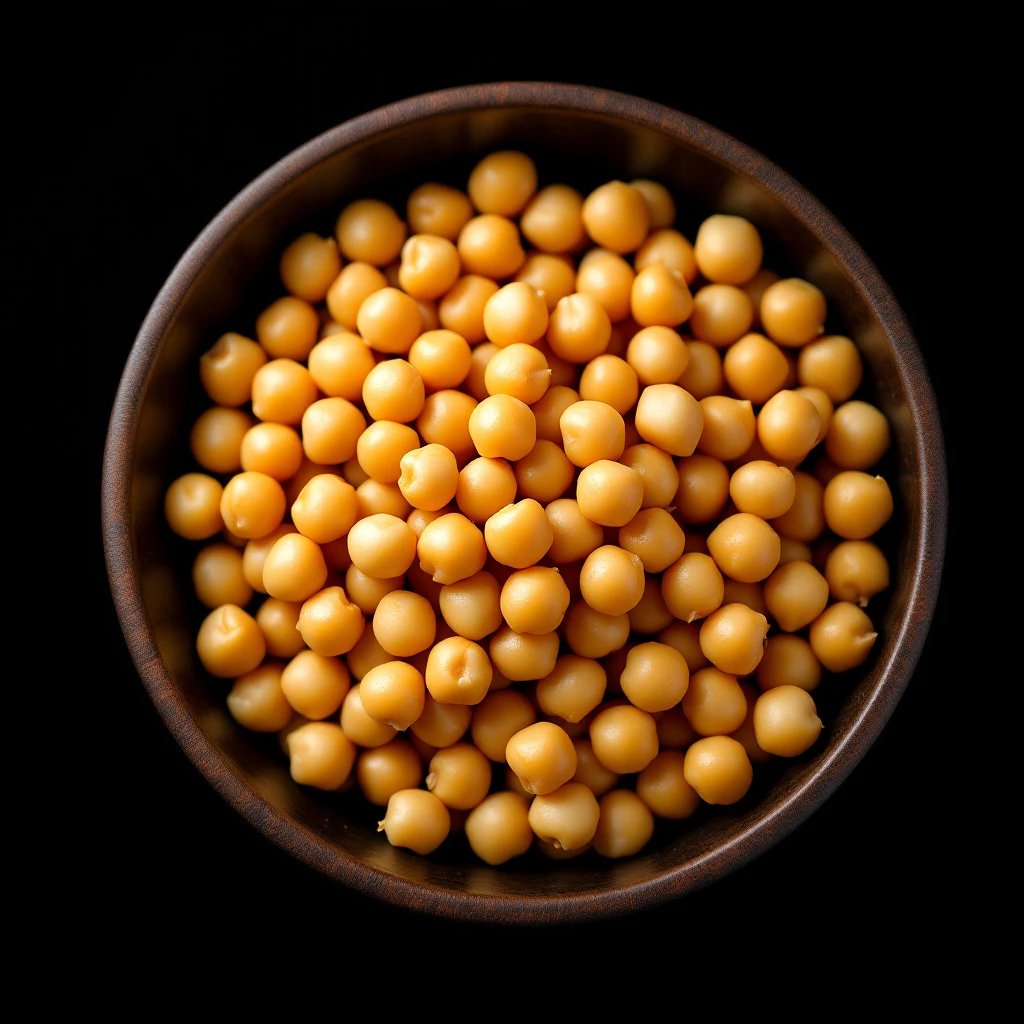
Chickpeas (Cicer arietinum) rarely enter perfumery directly, yet the legume carries a warm, nutty, cereal-like aroma that occasionally surfaces in gourmand compositions. Roasted chickpea notes evoke toasted grain, lending an earthy sweetness that anchors abstract foodie accords.
Character
How it smells
Toasted grain and nutty warmth from an unlikely source
Heating chickpeas above 140°C triggers Maillard reactions that produce pyrazines, the same aromatic compounds responsible for the smell of roasted coffee and fresh bread crusts.


Origin
Turkey
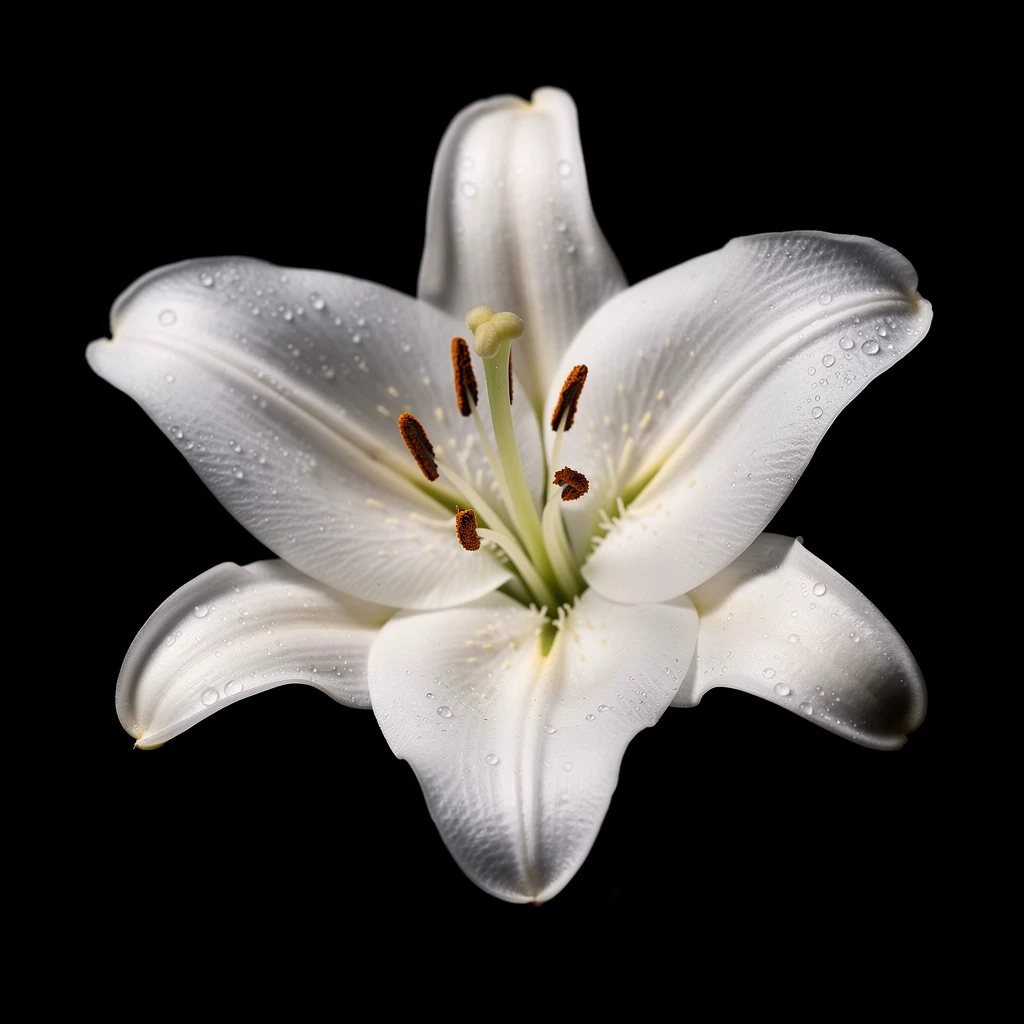
Chickpeas rank among humanity's oldest cultivated crops, with archaeological remains from Turkey's Fertile Crescent dating back roughly 7,500 years. Ancient Mediterranean and Middle Eastern civilizations prized them as both food and medicine, though no surviving text from antiquity mentions chickpeas as a perfumery ingredient.
The legume spread along trade routes to India, Ethiopia, and Spain, becoming a cornerstone of regional cuisines including hummus, farinata, and chana dal. Aromatic associations between chickpeas and roasting developed wherever the legume became dietary staple.
Modern gourmand perfumery, which emerged in the early 1990s with compositions like Thierry Mugler's Angel, eventually recognized the value of toasted grain accords. Indian natural perfumery traditions sometimes incorporate roasted chickpea water (besan-infused attar bases) as a textural component, though documented historical sources remain scarce.
Wears it best
Fragrances featuring Chickpeas
Brands
Brands known for Chickpeas
Good to know
Questions, answered
The essentials on Chickpeas in perfumery: how it smells, where it comes from, and how it behaves on skin.
Is chickpea a real perfume ingredient?
Chickpeas are not a standard perfumery raw material in the classical sense. The roasted aroma is real and recreatable, but perfumers typically achieve it through synthetic pyrazine molecules rather than extracting anything directly from the legume.
What does roasted chickpea smell like in perfume?
The scent reads as warm, nutty, and toasted, with cereal-like grain notes and a faint earthy sweetness. It sits near coffee, bread crust, and roasted barley on the aroma spectrum.
How do perfumers get a chickpea scent?
Most chickpea notes come from synthetic compounds called alkylpyrazines, the same molecules generated naturally when chickpeas undergo Maillard browning above approximately 140°C. Natural versions require careful roasting rather than traditional extraction.
Are there any perfumes that actually use chickpeas?
No major commercial fragrance lists chickpeas as a declared ingredient. The effect appears only as an implicit impression within broader gourmand accords, where toasted grain notes are common.
Where do most chickpeas used in food originate?
India produces roughly 70 percent of the world's chickpeas, with Australia and Turkey as the next largest growers. Most culinary chickpeas come from these three regions.
What fragrance family does chickpea belong to?
Chickpea falls under the gourmand family, specifically the toasted grain subcategory. It shares chemistry with coffee, cocoa, and roasted nut notes.
When was the chickpea plant first cultivated?
Archaeological evidence places chickpea domestication around 5,500 BCE in the Fertile Crescent of southeastern Turkey and northern Syria, making it one of the earliest Neolithic crops.
Can you make a chickpea perfume at home?
Enthusiasts roast dried chickpeas, then capture the aroma by steeping them in a carrier oil like jojoba. The result is a faint toasted aroma rather than a true fragrance, though it demonstrates the underlying chemistry.