
The Story
Why it exists.
The beginning
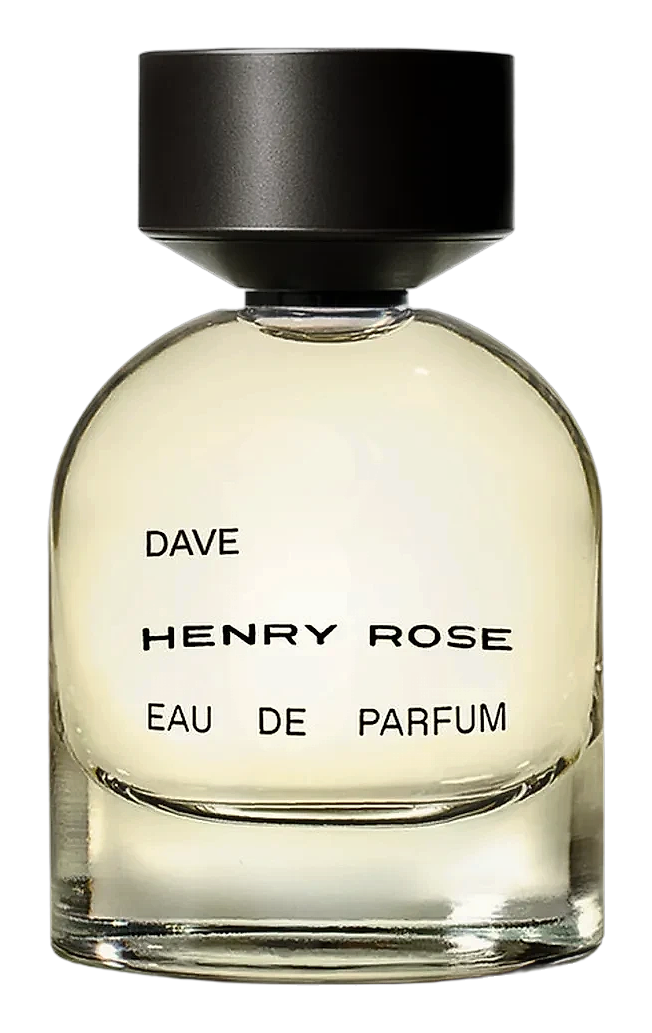
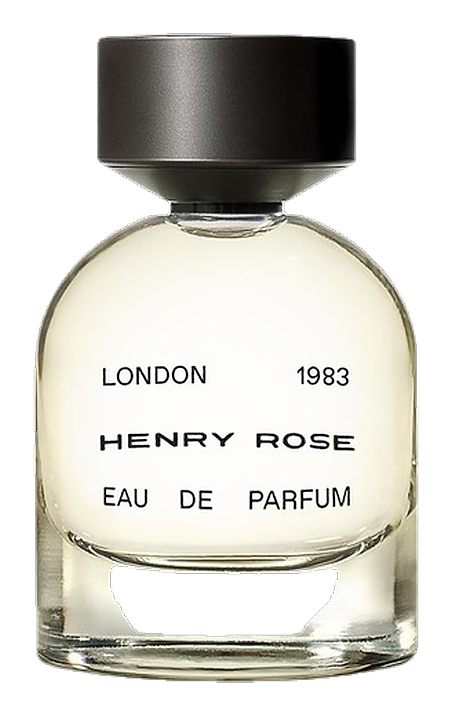
London 1983 is Michelle Pfeiffer's memory made material. Not a love letter to the city, something more specific. The King's Road in 1983, where misfits and models occupied the same pavement without irony. The charge of possibility before it gets named. Fig works as the emotional anchor here, its duality, the green and the sweet, the stem and the fruit, because that's what 1983 smelled like before anyone sanitized it into a hashtag. There's a tension in the composition that keeps the fig from settling into something too comfortable or predictable. The black pepper adds a different dimension, introducing a warmth that could be mistaken for nostalgia if you aren't paying attention, but it reads more like the smell of a city that hasn't yet decided what it wants to become.
What makes London 1983 structurally unusual is the handoff between phases. The fig arrives soft, almost translucent, water lily and jasmine holding it open like a hand under a running tap. Bourbon vetiver anchors the composition as it moves into its later stages. The drydown brings the woods forward, with a creamy quality that prevents the base notes from becoming austere. There's an unexpected sharpness that keeps the whole thing from settling into something predictable, something that feels both intentional and alive.
The evolution
The opening has a quality that feels translucent. Fig sap and black pepper are present together, creating a contrast that isn't immediately obvious. The water lily adds texture more than scent, something humid rather than floral. Jasmine shows up after some time and stays for a while, doing the white-floral thing quietly, not performing. Then the fig begins to change and the pepper becomes more apparent as a primary conversation. This is where the fragrance stops being cute. The blonde woods arrive last, not cedar, not sandalwood, something more anonymous and more wearable. Musk holds everything together throughout, and in the later stages it becomes the dominant note, close and skin-adjacent. The arc is interesting enough that some will want to start again, not because it disappears too fast, but because the development rewards a second wearing.
Cultural impact
Henry Rose built its audience on transparency and accessibility, not on the prestige perfume circuit. London 1983 enters a market where fig-forward fragrances have become familiar territory, but it differentiates through the black pepper intervention. The brand's clean positioning means this isn't an indie surprise; it's a considered release from a house that knows its audience wants ingredient clarity and an interesting scent story. The fragrance stands apart from the expected fig interpretations by introducing a spice that reframes what the note can do.