The Story
Why it exists.
The beginning
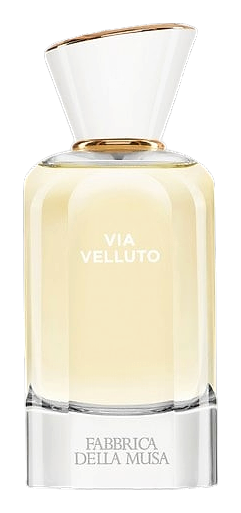
Via Velluto was composed for the crossroads. The name translates as Velvet Road, and that duality, a path that is also a texture, captures what Hamid Merati-Kashani was building. Italian creative discipline meets non-Western material depth: a perfumer with decades of experience. The brief was simple: elegance that doesn't ask permission. The fragrance carries that quiet confidence in every layer, from its velvety opening to the way the drydown settles against skin.
What makes Via Velluto structurally interesting is its willingness to let fruity and leathery share the same sentence. Most fragrances treat these as competing territories. Here, they negotiate. The vetiver is Haitian, rooty, green, a little mineral, which anchors the sweetness of red fruits and keeps the florals from floating into abstraction. The sandalwood is Australian, creamy and Pacific-warm, which softens the leather's edge into something that feels worn rather than aggressive. It's a modern fruity-leathery oriental that avoids the pitfalls of both categories.
The evolution
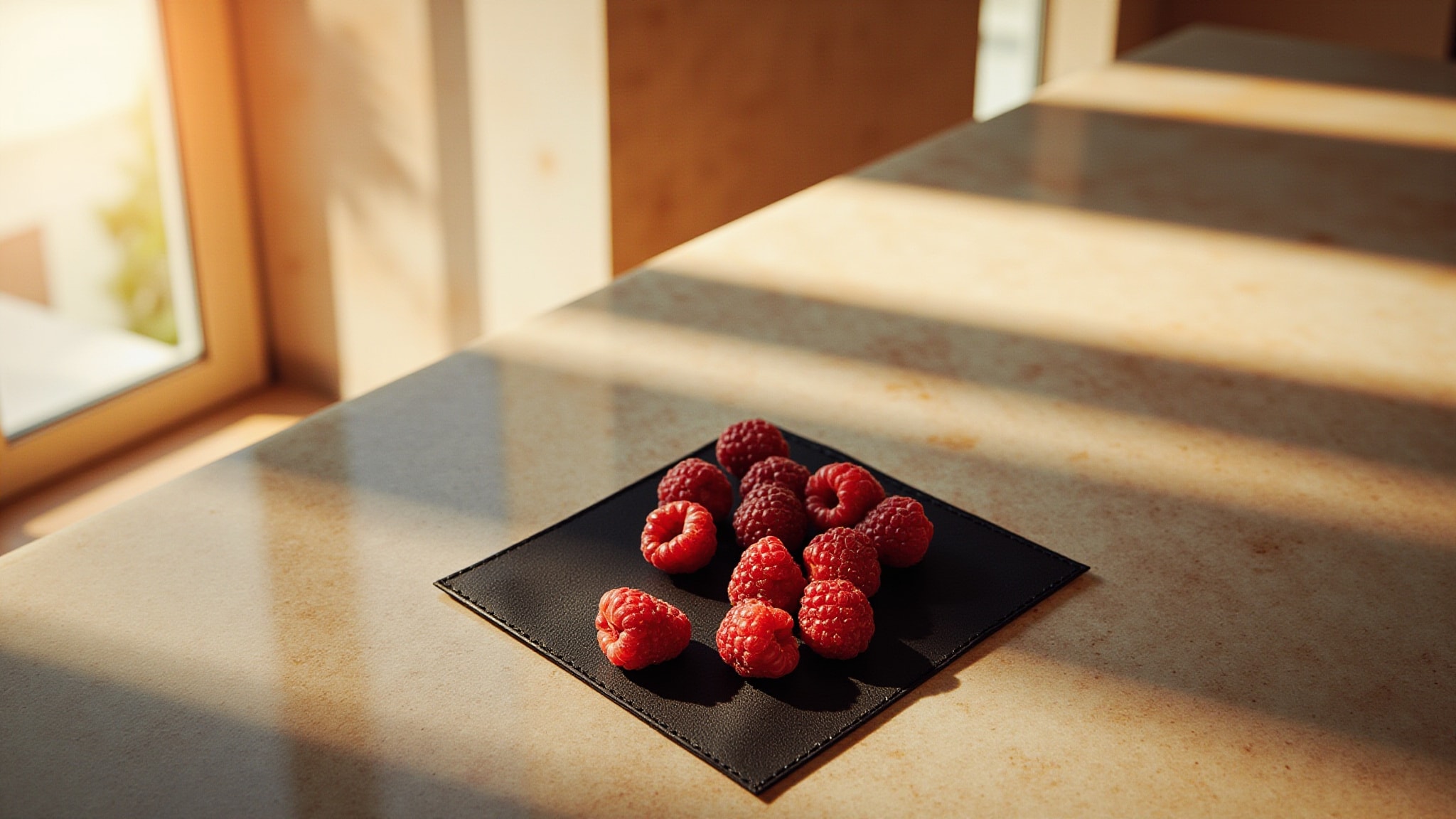
The opening hits bright and juicy, red fruits arriving all at once, Raspberry sweetness edged with something resinous from the Incense. That smoke doesn't overwhelm; it seasons. The florals arrive in sequence: Peony first, then Turkish rose, then Indian jasmine sambac arriving last and staying longest. The heart is soft, intimate, almost quiet. The drydown is where the leather does its work. Musk and leather settle close to skin, vetiver roots everything downward, sandalwood adds a cream that reads almost coconut-warm. Sillage remains moderate, which means it announces itself to the room only when you want it to.
Cultural impact
Via Velluto invites opinion in the way that the best niche fragrances do. Wearers who expect loud projection are surprised by its moderate sillage; those who want a quiet, intimate presence find a companion that lasts the full workday. The fragrance earns its place on skin through this refusal to perform, this insistence on depth over declaration.
The House
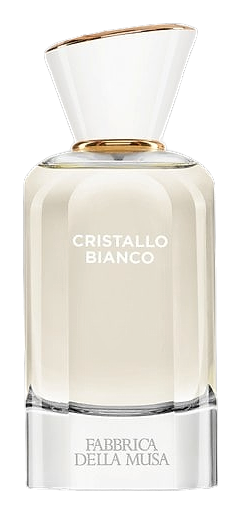
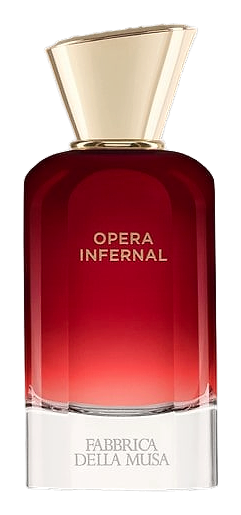
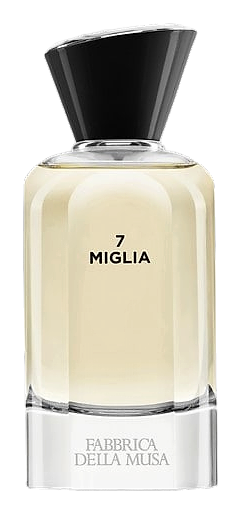
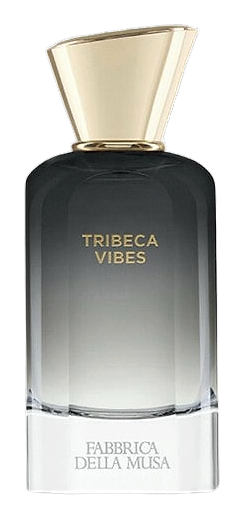
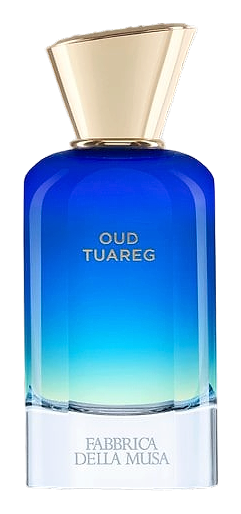
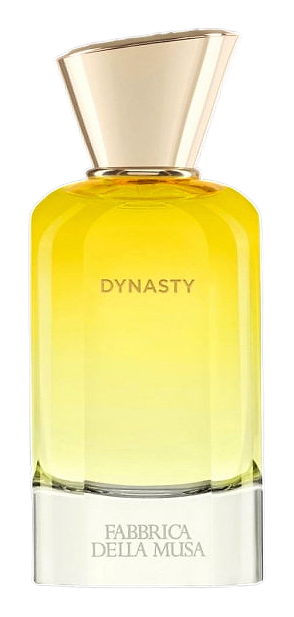
Fabbrica Della MusaFabbrica della Musa is an independent fragrance house built around the creative partnership of Barbara Adelmann and perfumer Hamid Merati Kashani. The name translates from Italian as Factory of the Muses, suggesting a space where olfactory artistry is systematically cultivated. Their collection spans multiple fragrance families, from the spice-forward compositions like 7 Miglia and Via Velluto to the oud-based creations including Oud Tuareg and Opera Infernal. More recent releases such as Dynasty and Tribeca Vibes demonstrate continued expansion into new olfactory territories. The brand crafts what sources describe as luminous, sensual, and heady perfumes, drawing inspiration from travel, memory, and the natural world. Distribution appears focused on specialty retailers and the brand's own channels, positioning it within the niche fragrance segment rather than mainstream markets.
The Creator
Hamid Merati-KashaniFrom the evidence available, Merati-Kashani's style tends toward the opulent and the gourmand, with a clear appreciation for rich, complex accords. There's often a signature use of vanilla, spices, and woods, creating fragrances that are warm and inviting.