The Story
Why it exists.
The beginning
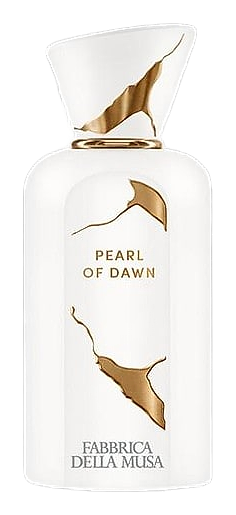
Pearl of Dawn began as a tribute, not a composition. Fabbrica della Musa handed the concept of porcelain to Hamid Merati-Kashani, asking him to translate that cool, translucent surface into something wearable against warm skin. Launched in 2026 as part of the Art Edition, the result captures the quiet tension between fragility and presence. The idea was clear from the start: find the language of porcelain in scent form, where surface and skin meet. Pearl of Dawn carries that intention into every facet, building a fragrance that suggests stillness rather than spectacle. The composition moves through temperature, through texture, through the way light grazes a glazed surface and holds there for a moment before sliding off. It is a careful translation rather than a literal one.
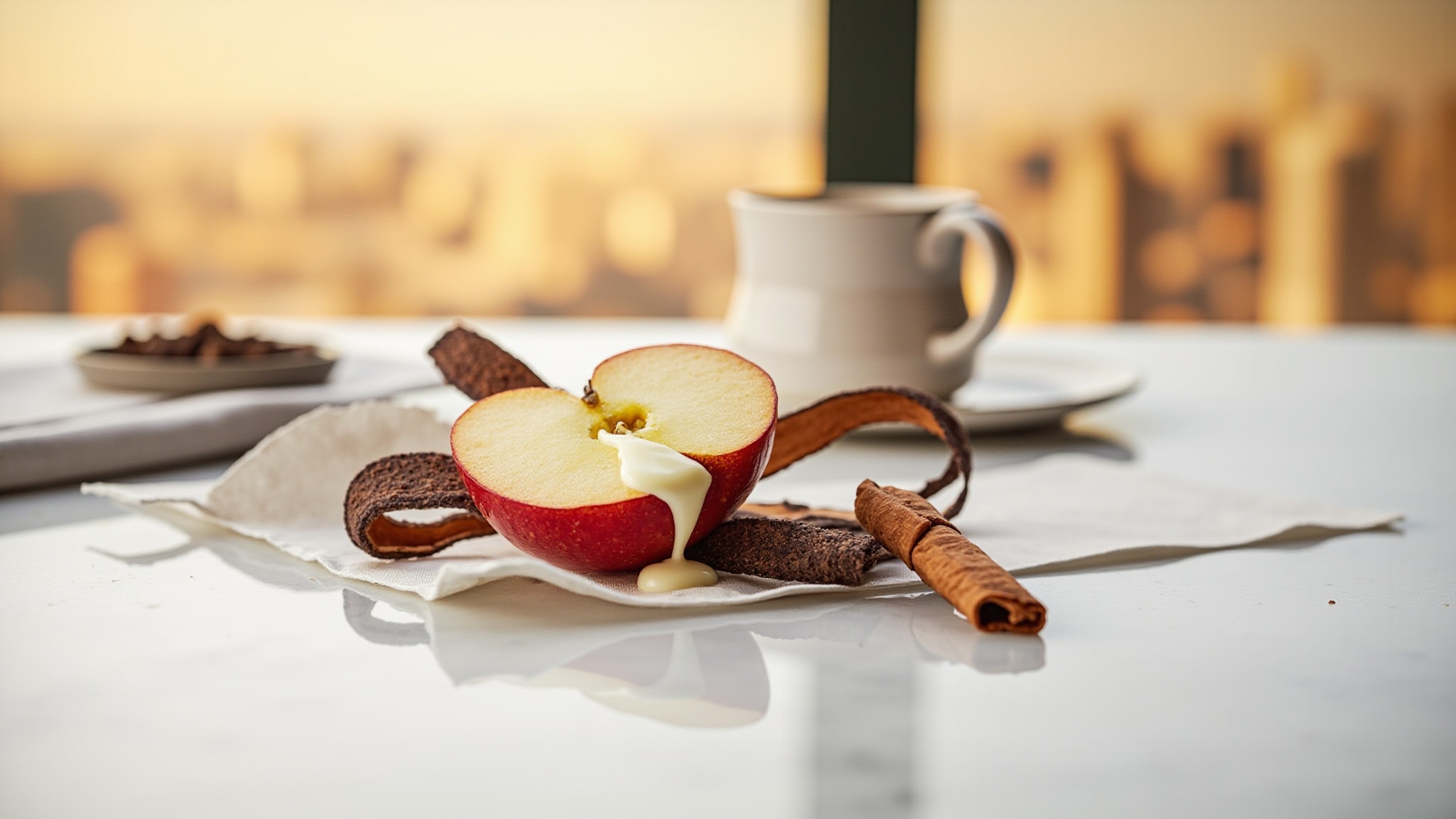
The clever move is what Merati-Kashani chose not to do. A tribute to porcelain could have gone mineral, aldehydic, all glass and cold air. Instead he reached for warmth. Rum brings a low amber glow, almost woody in its sweetness, the kind of warmth that settles in the chest rather than sparkles at the top. Apple cuts through with crispness, bright and bitten, and orange threads a brightness through everything so nothing tips into dessert territory. The white chocolate in the heart is the surprise.
The evolution
The opening lands bright and almost playful, apple and orange cutting through, with rum sitting low like a hand resting on a table. As the first minutes pass, the white chocolate shows up unannounced, and jasmine threads through it, not loud, not garden-fresh, but something softer, almost like dried petals held between book pages. The orris root rises quietly and stays, giving the composition a dry, grounding backbone that prevents the sweeter elements from overwhelming the wearer. By the second hour, the warmth has taken over. Cinnamon hums underneath, subtle but present, lending a quiet spice that weaves through the base rather than dominating it. Tonka bean and vanilla arrive together, smooth and rounded, blending into the kind of sweetness that feels baked rather than syrupy.
Cultural impact
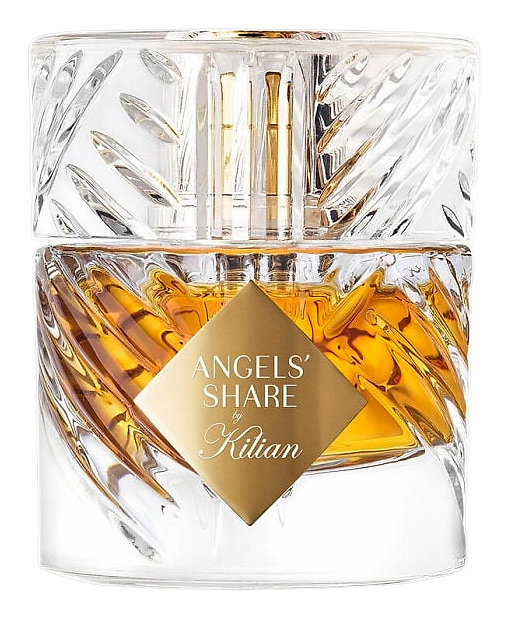
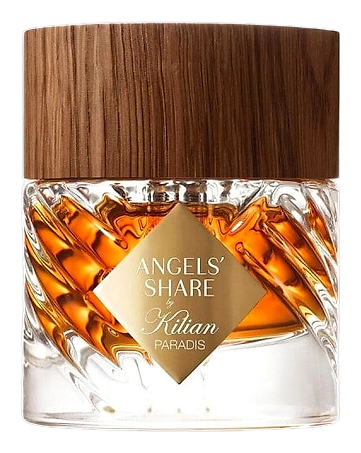
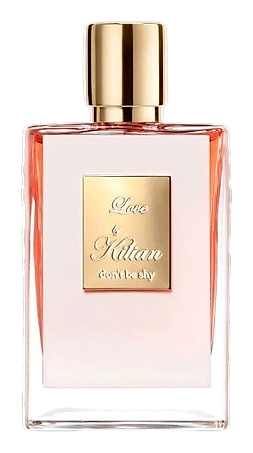
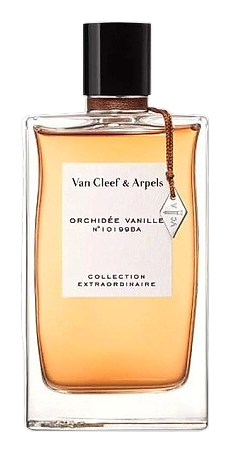
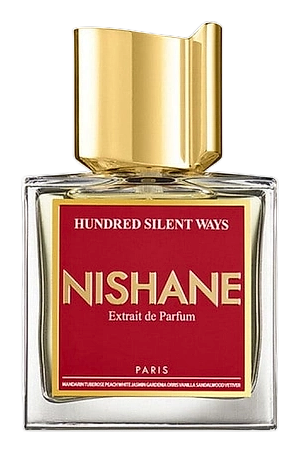
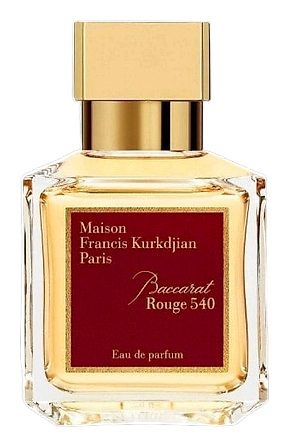
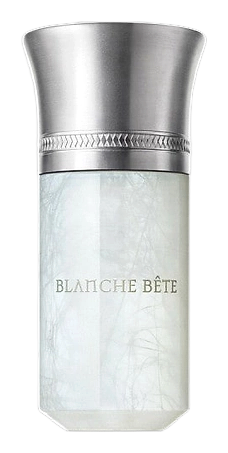
Pearl of Dawn has drawn quiet comparisons to Kilian's Angels' Share, another rum-and-cinnamon composition working in a similar boozy register. Where Angels' Share leans into the oak-cask sweetness of aged spirits, Pearl of Dawn pulls toward softness: the white chocolate and orris give it a powdered, almost edible-cream quality that reads more porcelain than barrel. The contrast is instructive. One scent draws its architecture from wood and oxidation, from the slow chemistry of spirits aging in oak. The other draws its architecture from surface, from glaze, from the cool tactility of fine ceramic.
The House
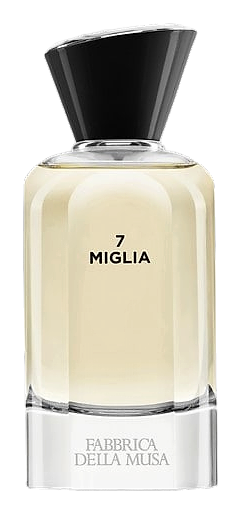
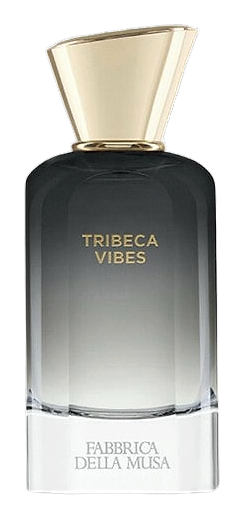
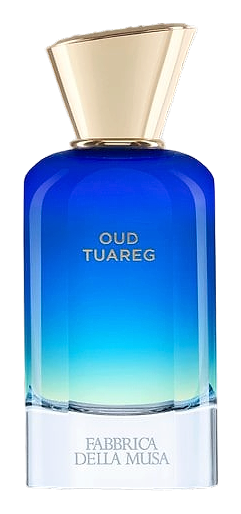
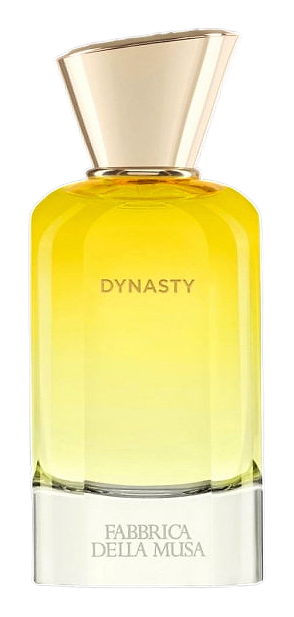
Fabbrica Della MusaFabbrica della Musa is an independent fragrance house built around the creative partnership of Barbara Adelmann and perfumer Hamid Merati Kashani. The name translates from Italian as Factory of the Muses, suggesting a space where olfactory artistry is systematically cultivated. Their collection spans multiple fragrance families, from the spice-forward compositions like 7 Miglia and Via Velluto to the oud-based creations including Oud Tuareg and Opera Infernal. More recent releases such as Dynasty and Tribeca Vibes demonstrate continued expansion into new olfactory territories. The brand crafts what sources describe as luminous, sensual, and heady perfumes, drawing inspiration from travel, memory, and the natural world. Distribution appears focused on specialty retailers and the brand's own channels, positioning it within the niche fragrance segment rather than mainstream markets.
The Creator
Hamid Merati-KashaniFrom the evidence available, Merati-Kashani's style tends toward the opulent and the gourmand, with a clear appreciation for rich, complex accords. There's often a signature use of vanilla, spices, and woods, creating fragrances that are warm and inviting.