
The Story
Why it exists.
The beginning
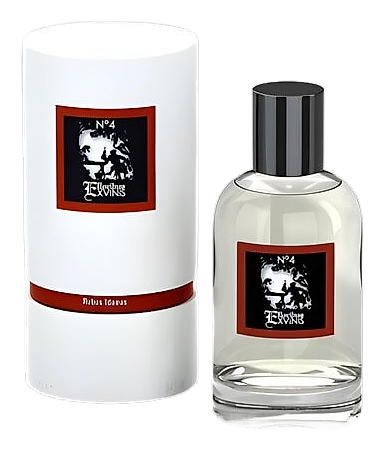
Fragranza Nº4 Rubus Idaeus arrived in 2009 as part of Ex Floribus Vinis's debut collection, six fragrances released at once. The collection treats fragrance as a companion to viticulture, each composition echoing a wine rather than a mood. Rubus Idaeus takes its name from the red raspberry in botanical Latin, but the inspiration behind it draws on Refosco, a red grape variety primarily grown in Northern Italy. The perfumer wanted the scent of that wine translated into something wearable, a glass of fruit and structure captured in a single spray. Every note in the pyramid serves that vision: red currant, blackcurrant, and blueberry for the fruit, mint and lime for the lift, and a quiet bed of sandalwood and patchouli to ground the composition.
What makes Nº4 distinctive is the precision of its fruit accord. Red currant, blackcurrant, and blueberry are rarely stacked this directly in a women's fragrance, and the addition of lime and mint gives the opening a coolness that prevents the sweetness from sliding into syrup. The sandalwood in the base lends a creamy, almost milky quality that softens the sharp fruit without dulling it. The jasmine and lily in the heart are restrained, used as light filters rather than floral declarations, which keeps the composition from becoming a typical fruity-floral.
The evolution
The first fifteen minutes belong to the fruit. Red currant and blackcurrant arrive almost together, sharp and bright, with lime and mint threading through them like cold air across a glass of crushed berries. Blueberry deepens the sweetness just enough to keep it interesting. Around the thirty-minute mark, the florals emerge, but quietly. Jasmine and lily do not bloom so much as filter the fruit through a sheer curtain, softening the edges without announcing themselves. Black pepper adds a faint warmth, barely there, more suggestion than statement. By the two-hour mark, the fruit has receded and the base takes over. Mysore sandalwood brings a creamy warmth that feels like the aftertaste of good wine, round and lingers. Patchouli grounds it, not in an earthy, heavy way, but in a way that gives the composition weight without pulling it down. White musk and creamy notes close the arc.
Cultural impact
Nº4 reads as deliberate rather than decorative, and the composition's quiet complexity rewards close attention. For wearers who find conventional fruity-florals too predictable, it offers something more structured without becoming difficult. The fruit-and-wine concept gives the scent a backbone that sets it apart from the usual berry-forward compositions on the market. What distinguishes Nº4 in practice is the way the fruit accord behaves across the wear.