Melon Juice
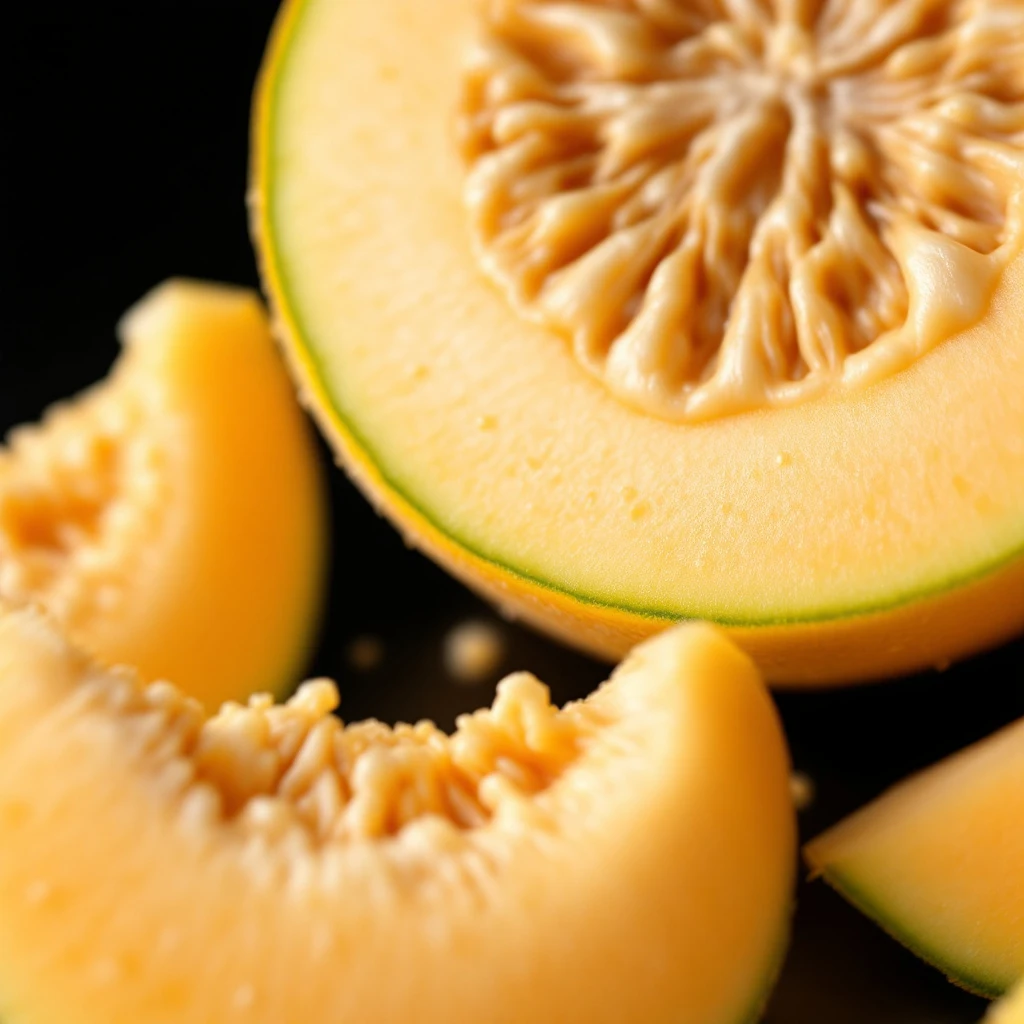
Melon juice captures the bright, watery sweetness of ripe Cucumis melo in a single note. It brings a dewy, green freshness to compositions that lifts heavier bases and adds an immediate sensation of ripeness.
Character
How it smells
Watery sweetness, bottled.
Melon scent molecules evaporate almost instantly on skin, which is why perfumers treat this note as an accent rather than a foundation.



Origin
Egypt
Melons have been cultivated for over 4,000 years, with archaeological evidence placing early domestication in Africa and ancient Egypt, where the fruit appeared in tomb paintings and was associated with prosperity and fertility. The Egyptians used melon seeds medicinally, but direct use in perfumery came later. By the medieval period, Persian and Arab perfumers incorporated melon-scented waters into cooling summer preparations.
The modern use of melon as a fragrance note is largely a 20th-century phenomenon, emerging alongside the development of synthetic esters that could capture the fruit's fleeting aroma. Its popularity surged in the 1990s as fresh, fruity-gourmand compositions gained mainstream appeal, positioning melon juice as a signature note for warm-weather and youthful fragrance profiles.
Wears it best
Fragrances featuring Melon Juice
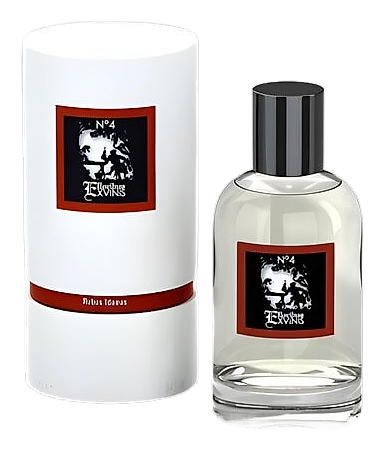
Brands
Brands known for Melon Juice
Good to know
Questions, answered
The essentials on Melon Juice in perfumery: how it smells, where it comes from, and how it behaves on skin.
What does melon juice smell like in perfume?
Melon juice gives off a bright, watery sweetness with green and slightly floral undertones. Perfumers often describe it as dewy and refreshing, similar to biting into a chilled slice of ripe cantaloupe on a hot day.
Is melon juice natural or synthetic in perfumery?
Most melon juice notes in commercial fragrances are synthetic. The fruit contains over 80% water and negligible essential oil, making natural extraction commercially impractical for most perfumers.
How long does melon juice last on skin?
Melon juice is a top note that typically lasts 15 to 30 minutes. Its volatile compounds evaporate quickly, which is why it appears in the opening rather than the base of a fragrance composition.
Which melon variety is most commonly used in perfumery?
Cantaloupe and honeydew melons dominate fragrance compositions due to their distinctive aromatic profiles. The Cucumis melo species encompasses both, and synthetic versions often blend multiple aroma compounds to capture each variety's character.
Does melon juice fragrance go bad quickly?
Natural melon extracts degrade rapidly due to the fruit's high water content and enzymatic activity. Synthetic versions are far more stable, which is why nearly all commercial fragrances use laboratory-created melon accords.
What fragrance families feature melon juice notes?
Melon juice appears most often in fruity, fresh, and gourmand families. It pairs well with aquatic notes, white florals, and citruses, frequently anchoring summer and sport fragrance compositions.
Can you extract essential oil from melon?
Steam distillation of melon flesh yields negligible oil due to the fruit's high water content. Solvent extraction and CO2 methods can capture some volatile compounds, but synthetic reconstruction remains the industry standard.
Why was melon juice popularized in the 1990s?
The 1990s saw a rise in fresh, fruity-gourmand fragrances aimed at younger consumers. Advances in synthetic chemistry allowed perfumers to reliably capture melon's fleeting aroma, making it a signature note for that era.