

    Home/Brands/Ex Floribus Vinis

    Ex Floribus Vinis

    Ex Floribus Vinis is a niche fragrance house that emerged with a singular 2009 collection of six perfumes, each named using formal botanical Latin nomenclature. The brand takes its name from the Latin phrase translating roughly to 'from flowers, wines,' though the collection spans ingredients beyond botanicals into fruits, spices, and botanicals. All six fragrances in the house's catalog arrived simultaneously in 2009, suggesting a deliberate unified vision rather than gradual collection building. The naming convention follows Linnaean taxonomic structure, with species designations like Ananas Sativa (pineapple), Rubus Idaeus (raspberry), and Ribes Rubrum (red currant), positioning each fragrance as an aromatic study of a specific natural material. The house maintains a minimal footprint in the fragrance world, with limited documented information about its founders, location, or perfumer.

    1
    Fragrances
    4.7
    Avg rating
    Shop the collection
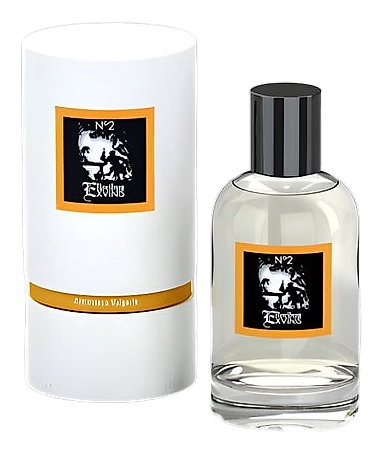
    SignatureFragranza Nº 2 Armenica Vulgaris
    Fragranza Nº 2 Armenica Vulgaris
    EDP
    Community
    4.7
    Average rating
    across 1 fragrances
    Collection
    1
    Fragrances and counting

    Most loved

    Bestsellers from Ex Floribus Vinis

    Fragranza Nº 2 Armenica Vulgaris by Ex Floribus Vinis
    Ex Floribus Vinis
    Fragranza Nº 2 Armenica Vulgaris
    4.7
    Compare prices
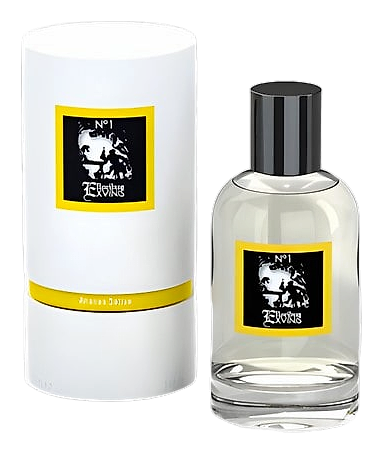
    Coming soonFragranza Nº 1 Ananas Sativa by Ex Floribus Vinis
    Ex Floribus Vinis
    Fragranza Nº 1 Ananas Sativa
    3.8
    Coming soon
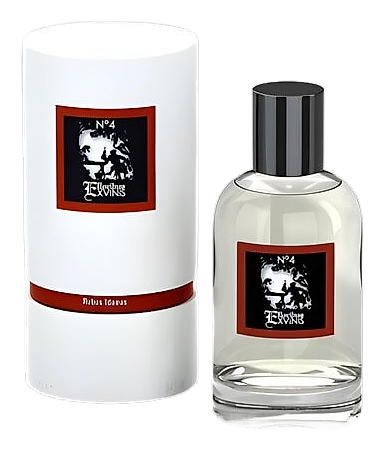
    Coming soonFragranza Nº 4 Rubus Idaeus by Ex Floribus Vinis
    Ex Floribus Vinis
    Fragranza Nº 4 Rubus Idaeus
    3.5
    Coming soon
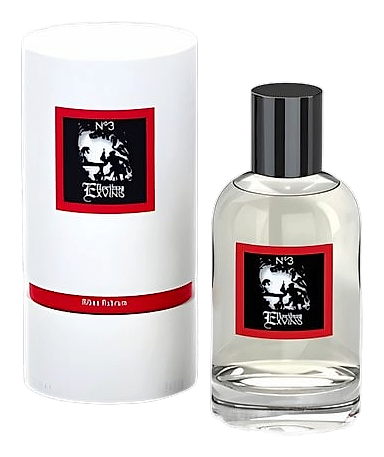
    Coming soonFragranza Nº 3 Ribes Rubrum by Ex Floribus Vinis
    Ex Floribus Vinis
    Fragranza Nº 3 Ribes Rubrum
    4.1
    Coming soon
    Coming soonFragranza Nº 6 Piper Officinarum by Ex Floribus Vinis
    Ex Floribus Vinis
    Fragranza Nº 6 Piper Officinarum
    3.8
    Coming soon
    Coming soonFragranza Nº 5 Anthemis Nobilis by Ex Floribus Vinis
    Ex Floribus Vinis
    Fragranza Nº 5 Anthemis Nobilis
    3.5
    Coming soon

    Fresh in

    New from the house

    Fragranza Nº 2 Armenica Vulgaris by Ex Floribus Vinis
    Ex Floribus Vinis
    Fragranza Nº 2 Armenica Vulgaris
    4.7
    Compare prices
    Coming soonFragranza Nº 1 Ananas Sativa by Ex Floribus Vinis
    Ex Floribus Vinis
    Fragranza Nº 1 Ananas Sativa
    3.8
    Coming soon
    Coming soonFragranza Nº 4 Rubus Idaeus by Ex Floribus Vinis
    Ex Floribus Vinis
    Fragranza Nº 4 Rubus Idaeus
    3.5
    Coming soon
    Coming soonFragranza Nº 3 Ribes Rubrum by Ex Floribus Vinis
    Ex Floribus Vinis
    Fragranza Nº 3 Ribes Rubrum
    4.1
    Coming soon
    Coming soonFragranza Nº 6 Piper Officinarum by Ex Floribus Vinis
    Ex Floribus Vinis
    Fragranza Nº 6 Piper Officinarum
    3.8
    Coming soon
    Coming soonFragranza Nº 5 Anthemis Nobilis by Ex Floribus Vinis
    Ex Floribus Vinis
    Fragranza Nº 5 Anthemis Nobilis
    3.5
    Coming soon

    Heritage

    A house, in its own words

    Ex Floribus Vinis presents a curious case in contemporary perfumery: a house with no publicly documented founding narrative, no identified perfumer, and no established historical timeline beyond a single catalog year of 2009. The absence of verifiable provenance information is unusual in an industry where heritage is often central to brand identity. What exists instead is a frozen moment in 2009 when six fragrances appeared simultaneously under this Latin-named label. The brand's very obscurity invites curiosity about its origins, whether it represents a private perfumer's personal project, a limited-edition endeavor, or something else entirely. The Linnaean naming system employed for the collection suggests an academic or scientific sensibility underlying the work, treating each fragrance as a botanical specimen rather than a marketable product with a story. This approach to naming draws on Carl Linnaeus's 18th-century taxonomic revolution, potentially signaling that the fragrances are meant to be studied as natural phenomena rather than consumed as luxury accessories. The house has maintained an unusually quiet presence since that 2009 debut, with no apparent expansion of the line, no documented reformulations, and no reported collaborations or industry participation. The Ex Floribus Vinis approach to fragrance appears rooted in botanical taxonomy and the scientific study of natural aromatic materials. The Linnaean naming convention suggests an intellectual framework that values precise identification over evocative marketing language. Rather than inviting the wearer into a mood or narrative, each fragrance name declares its primary material outright with the confidence of a botanical classification. This taxonomic approach treats scent as a subject for study rather than a vehicle for storytelling, potentially appealing to wearers who prioritize ingredient transparency and naturalism. The six ingredients represented in the collection span fruits (pineapple, apricot, raspberry, red currant), botanicals (chamomile), and spices (black pepper), suggesting a curatorial interest in showcasing diverse aromatic profiles. The house does not appear to have articulated an explicit creative philosophy in publicly available communications, leaving interpretation to those who encounter the fragrances. The scientific nomenclature creates a framework where Fragranza Nº 1 Ananas Sativa is not merely a tropical scent but a specific study of cultivated pineapple as an aromatic material, inviting the wearer to consider exactly how this particular botanical manifests in concentrated form.

    2009
    Ex Floribus Vinis releases its complete catalog of six fragrances simultaneously: Fragranza Nº 1 Ananas Sativa, Nº 2 Armenica Vulgaris, Nº 3 Ribes Rubrum, Nº 4 Rubus Idaeus, Nº 5 Anthemis Nobilis, and Nº 6 Piper Officinarum.

    Did you know?

    Interesting facts

    01

    The brand name Ex Floribus Vinis derives from Latin and translates roughly to 'from flowers, wines,' though the 2009 collection extends beyond floral and vinous materials into fruits and spices.

    02

    All six Ex Floribus Vinis fragrances were released in a single year (2009) rather than gradually building the collection over time, suggesting a conceptual project rather than commercial product line expansion.

    03

    The fragrances use Linnaean binomial nomenclature (scientific naming convention), with each perfume representing a specific botanical or fruit species studied as an aromatic material.

    04

    None of the six fragrances have publicly identified perfumers attributed to their creation, leaving the creative origins of the collection mysterious within the fragrance community.