The Story
Why it exists.
The beginning
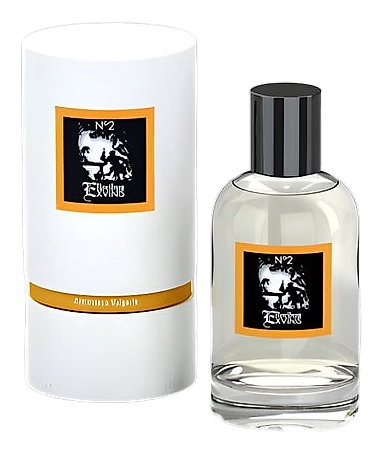
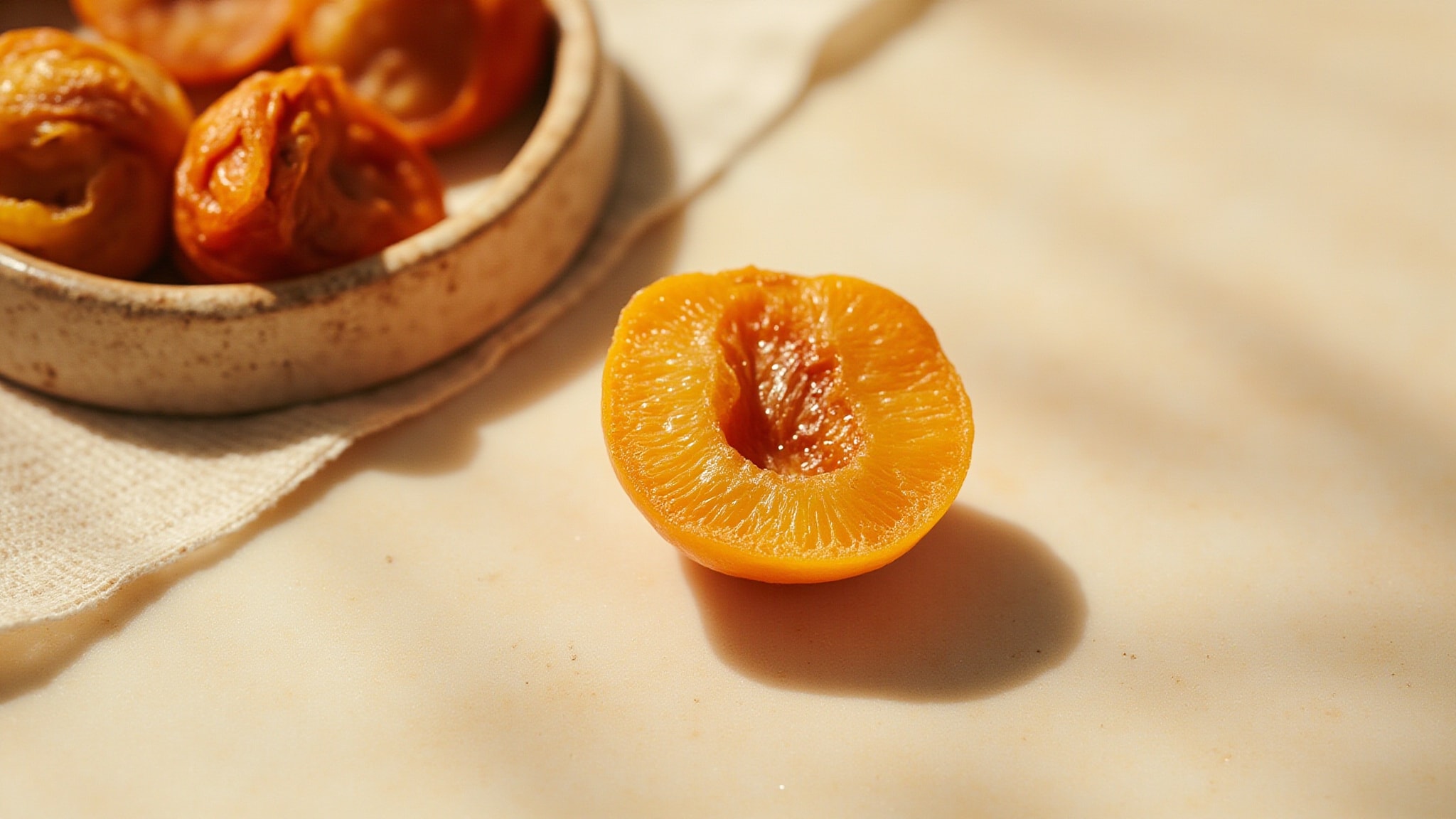
Armeniaca Vulgaris is the botanical name for the apricot tree. That naming precision is intentional, Ex Floribus Vinis releases its collection in formal Latin taxonomic structure, treating fragrance as specimen rather than sentiment. The inspiration here is Passito di Pantelleria, the Sicilian dessert wine made from sun-dried Zibibbo grapes, where dried apricot is the defining note. The house's premise runs the connection both ways: they don't just reference wine in fragrance, they translate wine into something wearable. Number two of six makes that case in apricot nectar and white honey, dessert wine rendered as skin-close warmth.
The pyramid puts six notes in the opening alone, yet it doesn't feel cluttered, it reads as abundance rather than chaos. The trick is coconut threading through apricot, peach, and orange: it adds body without adding sweetness, a creamy counterweight that lets the citrus lift without souring. The heart of lily, magnolia, and rose is deliberately powdery, a bridge between the fruity opening and the honey-vanilla base. That powdery floral middle is where most fragrances lose people, but here it works as a pause rather than a stall, a breath before the warm, close drydown takes over.
The evolution
The first twenty minutes are all sweetness, apricot and peach in bright succession, bergamot keeping it from cloying, coconut building body. Around the half-hour mark, the stone fruits blur into something jammier and the florals step forward: magnolia first, then lily, then rose settling in quietly. The powdery quality arrives here, soft and familiar. By the second hour, the honey-vanilla cream emerges as the dominant story, white musk threading through to keep it warm without heaviness. The woody base notes appear late, perhaps the final two hours, adding a dry finish that prevents the whole thing from going too sweet. On fabric, the drydown can linger into the next day.
Cultural impact
Apricot and almond share deep roots in perfumery. Apricot kernels yield bitter almond oil, a classic fragrance ingredient found in Chanel No. 5 and Guerlain Jicky, lending an amaretto-like nuance that bridges oriental and gourmand traditions. Apricot itself, as a fruit note, gained prominence in the 1980s and 1990s as part of the fruity florals movement, offering a softer, less aggressive alternative to apple or pear. Almond, meanwhile, carries associations with comfort and nostalgia, its slightly bitter edges tempering pure sweetness to create complexity. Coconut brought tropical escapism to Western perfumery in the late 20th century, becoming synonymous with summer and leisure.