
The Story
Why it exists.
The beginning
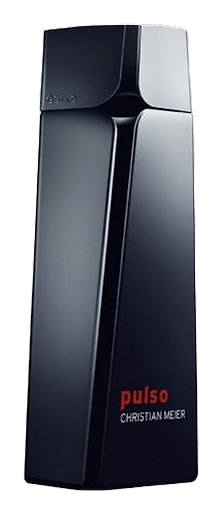
Pulso arrived in 2009 from Ésika, the Colombian house that built its identity turning everyday moments into scent. The name itself is a statement, pulso means pulse, heartbeat, the thing that proves you're alive. Perfumer Fabienne Coupaye built this around tobacco and cardamom, materials with opposite energies: tobacco grounded and slow, cardamom bright and quick. The brief, as Ésika saw it, was to capture the moment a man walks into a room without needing to announce himself.
What makes Pulso interesting isn't any single material, it's the structure. Cardamom opens warm and aromatic, but it's doing something unusual: cutting through the sweetness of dried fruits and red currant instead of amplifying it. The heliotrope in the heart adds a powdery, almost nutty softness that keeps the whole composition from tipping into harshness. Cashmere wood, a modern synthetic that smells exactly like its name, does the real work in the base, wrapping tobacco and cedar in something soft and close. This is a fragrance designed for skin proximity, not air filling.
The evolution
The opening hits fast: cardamom and lemon over angelica root, a sharp-green bite that clears the sinuses. Red currant arrives within minutes, adding sweetness that rounds the edges. The heart is where Pulso becomes itself, dried fruits and star anise bring a quiet warmth, heliotrope softens everything into something close to edible. The base is where patience pays off. Cashmere wood and tobacco emerge slowly, around the two-hour mark, replacing the initial brightness with something deeper and almost sticky-sweet. Peru balsam gives it resinous body. Cedar anchors the whole thing. By hour four, the fragrance has become intimate, present on skin, absent from air. It stays close, almost clinging, the kind of drydown you find when you press your wrist to your nose.
Cultural impact
Pulso has found its audience among men who want presence without performance. It's worn across Latin America and trusted by those who prefer intimacy to projection. The fragrance stands apart from typical masculine stereotypes, sweet enough to invite, dry enough to hold its ground. This is the kind of scent a man chooses for himself, not for the room. Ésika built Pulso on the idea that lasting power matters more than immediate impact. That philosophy has resonated. The fragrance has remained in circulation since 2009, a long run for a daily-wear oriental. It's become a quiet standard, not a statement piece, but a reliable one.