
The Story
Why it exists.
The beginning
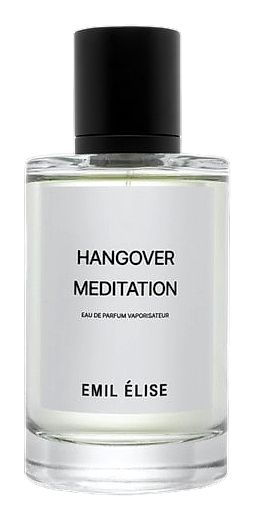
The name says everything. Hangover Meditation isn't interested in the party, it's interested in the morning after, that specific hour when you're still wearing the night but already somewhere quieter. Emil Elise built their brand on naming what other houses dance around, and this one cuts straight to the feeling of choosing water over another round.
What makes the composition work is its refusal to be one thing. The citrus at the top doesn't pretend the night didn't happen, it just clears enough space to breathe. The marine notes aren't a fantasy beach; they're closer to the actual smell of salt air on skin that hasn't showered yet. Cardamom and orange blossom add a sweetness that isn't innocent, just calmer. By the time you hit the driftwood and patchouli, you're not trying to forget anything. You're just settled.
The evolution
It opens bright. Bergamot, lemon, a green apple snap that doesn't linger. Thirty minutes in, the aquatic takes over, not a ocean breeze, but the mineral stillness of water left standing. The cinnamon shows up in the first hour, a brief warmth that keeps the citrus from going clinical. Then the heart: cardamom and orange blossom over plum, a combination that smells like something half-remembered from a different room. The drydown is where it earns its name. Musk and amber, patchouli that stays close to the skin, driftwood that reads more like the memory of wood than wood itself. Six to eight hours. On fabric, it holds longer. On skin, it stays intimate once the projection settles, moderate sillage, the kind that requires someone close to notice.
Cultural impact
Hangover Meditation arrived during a period when independent fragrance houses challenged the dominance of established luxury brands in Germany. Emil Elise emerged as part of a broader movement of niche perfumers operating outside traditional industry structures, bypassing standard distribution channels to reach consumers directly. The 2022 launch coincided with shifting consumer preferences toward personalized scent experiences over mass-market signatures, reflecting a cultural turn toward individual expression in post-pandemic fragrance culture. The brand's German origin connects to a lineage of precision manufacturing, suggesting that the compositions benefit from rigorous quality standards associated with German production.