The Story
Why it exists.
The beginning
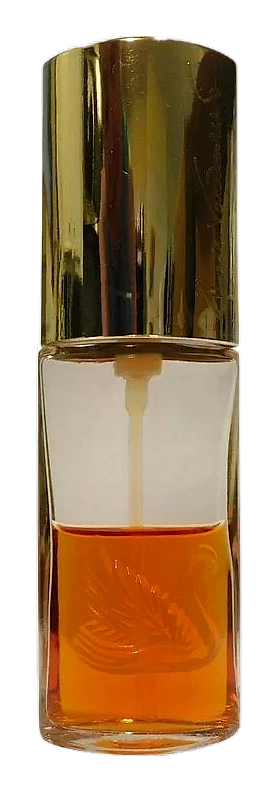
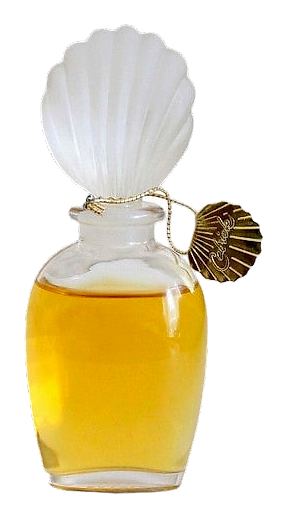
Cabriole arrived in 1977, a moment when Elizabeth Arden was building its fragrance portfolio around accessible luxury, prestige without intimidation. The name suggests movement, a leap, something buoyant. The composition backed that up: aldehydes and fruit, the stuff of celebration, held together by a warm woody base that kept it grounded. It wasn't trying to be rarefied. It was trying to be worn.
The aldehydic-fruity combination is the structural spine here. Aldehydes bring a metallic, champagne-like brightness that lifts the fruit notes, pineapple, peach, red apple, into something more delicate than a simple fruity fragrance. The beeswax in the base is unusual for this type of composition, more commonly found in vintageOrientals. It adds a honeyed warmth that bridges the aldehydic opening to the woody drydown, creating continuity where other fragrances might feel fragmented. Oakmoss completes the picture with a quiet earthiness that keeps the sweetness from becoming syrupy.
The evolution
The aldehydes hit hard in the first fifteen minutes, bright, metallic, almost astringent. Fruity notes ride underneath, pineapple sharp against softer peach. Then the aldehydes begin their slow fade, and the florals take over. Rose and carnation lead the heart, jasmine threading warmth through the violet powder. By hour two, the beeswax emerges, honeyed and golden. The drydown is all sandalwood and cedar, soft and close to skin, with amber lending a gentle warmth that lingers into hour five or six on most wearers.
Cultural impact
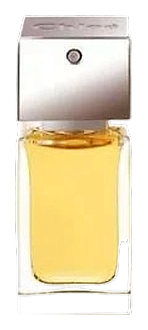
Cabriole occupies a specific corner of the aldehydic tradition, positioned alongside Chloe EDP and Rive Gauche as warm, powdery florals built for confident wear. The beeswax in the base gives it a richer drydown than most contemporaries in the category, and the fruit notes temper the aldehydic sharpness into something more approachable. It's the kind of fragrance that reads as timeless without trying to be vintage.