The Story
Why it exists.
The beginning
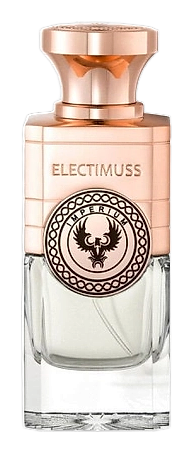
Summanus takes his name from the Roman god of nocturnal thunder, the monarch of night, ruler of the lightning that splits a dark sky without warning. The concept became the architecture: a fragrance built in two halves. First, the crack and flash, a top notes accord designed to hit with the immediacy of a bolt crossing an evening sky, all cardamom and black pepper's sharp heat, sharpened further by ginger and the resinous brightness of elemi. Then the slow roll of thunder that follows, felt more than heard. That's the Bulgarian rose, the cognac warmth, the jasmine absolute threading through amber, a heart that doesn't compete with the opening so much as deepen it. The drydown settles into the earth itself: sandalwood, guaiac wood, nagarmotha. The rumble beneath the storm. Christian Provenzano translated the myth into a structure that mirrors the god's nature, unpredictable, imperial, impossible to ignore when it arrives.
What makes Summanus unusual is the way the top and heart exist almost simultaneously rather than in sequence. The cardamom and black pepper don't fully retreat before the Bulgarian rose arrives, they coexist, the spice threading through the floral like a current through wire. This overlap is deliberate and difficult to execute well; jasmine absolute can easily flatten under too much pepper, but here the amyris provides a waxy counterpoint that keeps both sides articulate.
The evolution
The opening arrives fast, thirty seconds and the cardamom is already working, black pepper following within the minute. The citrus elements (bergamot, orange) flash briefly, a brief brightness that makes the spice feel sharper by contrast, then fade as the ginger and elemi lean into the heart. By the twenty-minute mark, Bulgarian rose is fully present, but so is the cognac, this isn't a linear rose-to-woods trajectory. They're layered. The amber in the heart amplifies the rose's natural warmth while the jasmine adds a creaminess that keeps the spice from becoming harsh. Around the two-hour mark, the drydown begins its slow takeovers: sandalwood asserting itself first, then the guaiac wood adding its characteristic smoky edge. The nagarmotha arrives last and stays longest, an earthy, almost mineral quality that lingers on fabric and skin for hours after the rose has softened into a memory. On clothing, this fragrance can be detected the next morning. Eight to ten hours of real presence, with the first two being the most assertive.
Cultural impact
Summanus draws its name from the Roman god of nocturnal thunder, a deity invoked to ward off storms and protect travelers in darkness. Electimuss launched this fragrance in 2020 as part of their Nero collection, situating it within a brand mythology built around Roman imperial power and sensory drama. The choice of this particular deity reflects the fragrance's core proposition: bold presence that cuts through social environments the way lightning illuminates the night sky. In the broader fragrance landscape, Summanus arrived during a period when consumers increasingly sought out statements over subtlety, challenging the decade-long trend toward skin scents and transparent compositions.