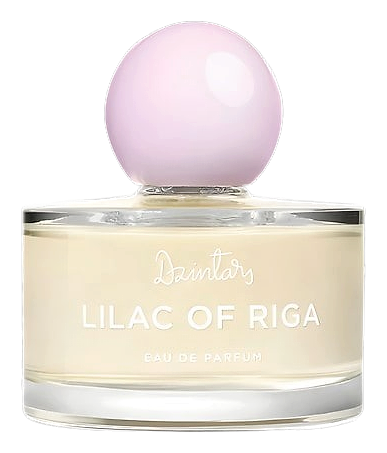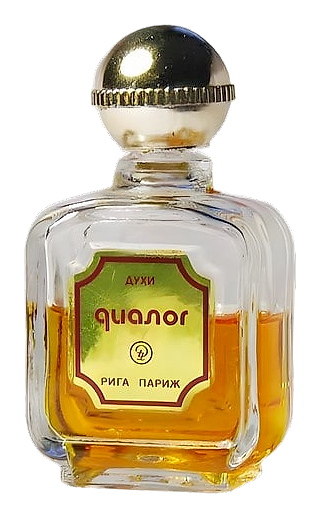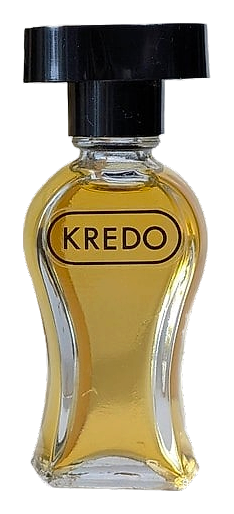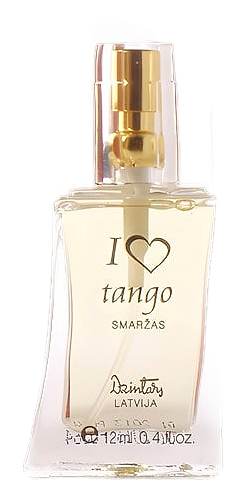
The Story
Why it exists.
The beginning
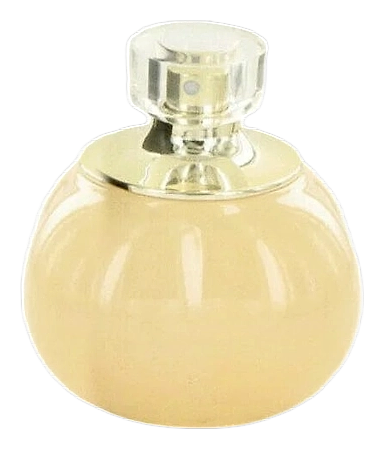
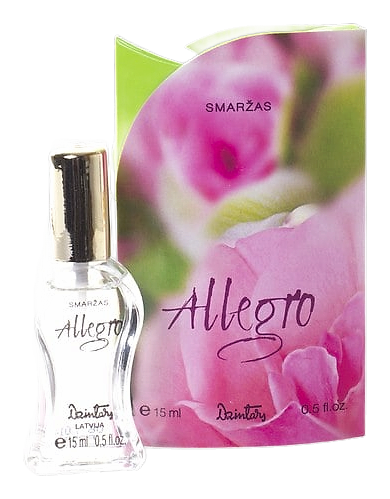
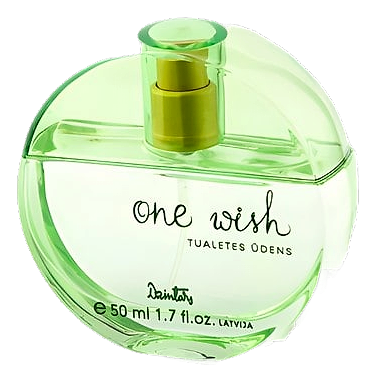
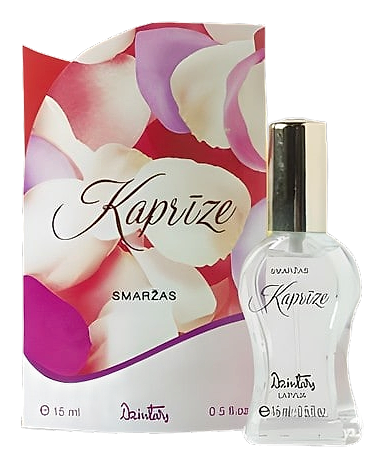
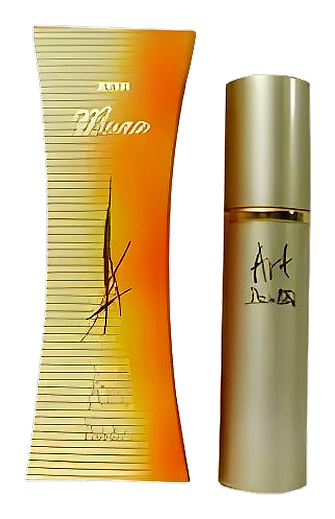
Art Mūza arrived from Dzintars in 2003, part of the Latvian house's 'Art' collection that translated creative impulses into wearable form. The name Mūza nods to the muse, and the composition reads exactly like that: a bright, uncomplicated floral-fruital fragrance built around cherry and citrus, designed to evoke rather than challenge. Dzintars has been producing in Riga since 1924, and by the early 2000s the brand was channeling its familiar Baltic sensibility into lighter, more accessible compositions aimed at everyday wear. Art Mūza sits squarely in that lineage, a continuation rather than a reinvention.
The choice to anchor the composition on cherry rather than a more traditional floral heart sets Art Mūza apart from typical early-2000s florals. Cherry carries its own sweetness and a faint almond-like undertone that gives the fragrance a gentle warmth without veering into gourmand territory. The lemon keeps everything lifted and sharp, while the cherry blossom adds a delicate floral facet that bridges the fruity top notes into something softer. It's a straightforward structure, built on clear, legible materials rather than complex accords.
The evolution
The opening hits fast and bright, lemon zest cutting into cherry sweetness within the first few minutes, almost like the scent of cherry candy unwrapped near a window. The floral notes arrive around the 15-minute mark, blurring the cherry into something more rounded, almost powdery, and the cherry blossom gives it that delicate, almond-soft edge. From the one-hour point onward, the composition settles into a quieter register, the citrus retreating while the cherry and florals hold their ground in close orbit around the skin. By hour three or four, what's left is a soft, sweet, slightly soapy warmth, intimate rather than projecting. The next morning, a faint trace of sweetness lingers on the skin if you press your nose to where you sprayed.
Cultural impact
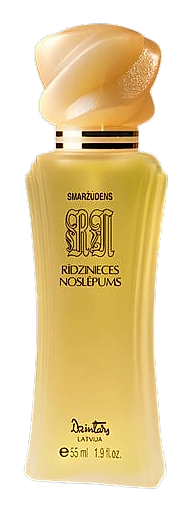
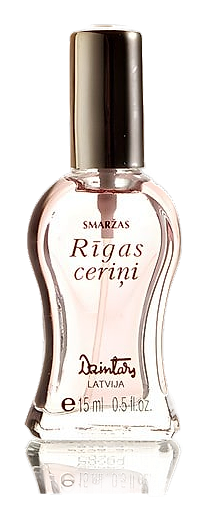
Dzintars operated as one of the largest perfumery houses in the Soviet and post-Soviet space throughout the late 20th century, producing widely distributed fragrances across Eastern Europe, the Baltics, and Russia. Art Mūza arrived in 2003 as part of the Art collection, a line of about 15 themed releases that translated creative disciplines, music, painting, dance, into everyday scent compositions for women. Because Dzintars bottles were sold at accessible price points through state-linked retail channels, the brand shaped scent expectations for a generation of consumers across the former USSR.