
The Story
Why it exists.
The beginning
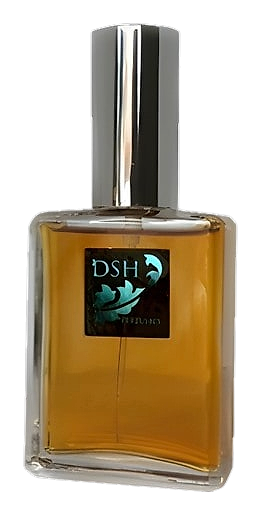
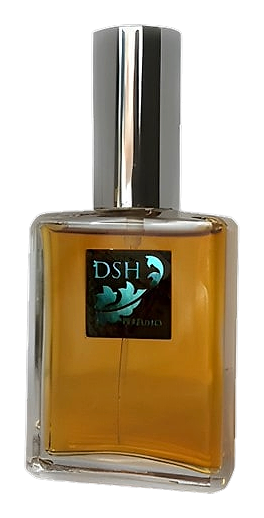
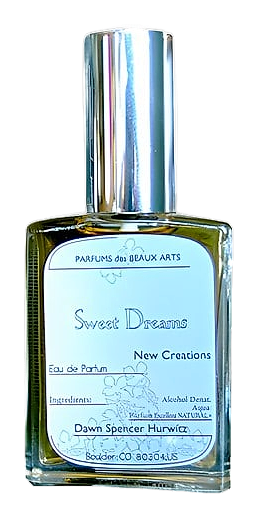
Sweet Dreams arrived in 2007, when DSH Perfumes was still finding its vocabulary. Dawn Spencer Hurwitz had been working with botanical aromatics for years, treating each material as a pigment on a canvas. The idea behind this one: what happens when lavender stops being a air-freshener note and becomes the point? She started with the herbs growing around her Colorado studio, bergamot, clary sage, juniper, rosemary, and built outward. The lavender in the heart was never meant to comfort alone. It was meant to hold something: the incense, the honey, the sandalwood that arrives later. Sweet Dreams is the name. The question is what that means when you build it from scratch instead of following a template.
The structure is unusual for an aromatic fougère in the best way. Most fragrances in this family open sharp and stay sharp, they declare themselves and don't apologize. This one opens with green herbal clarity but the lavender arrives soft, not aggressive, and the heart quickly becomes a conversation between florals and resins. Honey and jasmine sit alongside frankincense and myrrh. Sandalwood anchors. The result isn't a linear herb scent, it's a slow build where each phase earns the next. The real surprise is the base. Tonka bean, vanilla, labdanum, and a quiet civet note that adds warmth without intrusion. This is where the dream actually lives, in that final warmth that stays close to the skin for hours.
The evolution
The opening announces itself quickly: bergamot and clary sage arrive bright and clean, with juniper berries adding a slight snap. Rosemary and mugwort keep it grounded in green territory, herbal, but not medicinal. The transition happens around the 20-minute mark as lavender enters the heart alongside honey. This is where it changes. The florals don't overwhelm, jasmine adds body without sweetness, angelica adds earth. Nutmeg and clove provide warmth beneath the surface. The frankincense arrives quietly, not dramatically, it braids into the lavender rather than competing with it. By hour two, the drydown asserts itself. Cedar and atlas pine take over from the herbs. Patchouli adds depth without going dark. Then the vanilla and tonka arrive, joined by labdanum, the scent becomes warm, creamy, almost gourmand without tipping into dessert territory. The civet is the tell. Not animalic in a challenging way. It adds skin-warmth, that sense of something living beneath the vanilla. By hour four, the sillage has dropped to intimate, you're the only one who notices.
Cultural impact
Sweet Dreams belongs to a specific moment in American niche perfumery: 2007, when indie perfumers were still finding their audience outside the European heritage model. DSH Perfumes positioned itself not as an alternative to commercial fragrance but as a different question entirely, fragrance as aromatherapy, as visual art, as quiet study. Sweet Dreams reflects that ethos. It's not a statement fragrance. It's a contemplative one. The herbal-lavender opening is familiar enough to feel accessible, but the incense-and-vanilla base takes it somewhere quieter and more personal. Wearers who find it tend to keep finding it.