The Story
Why it exists.
The beginning
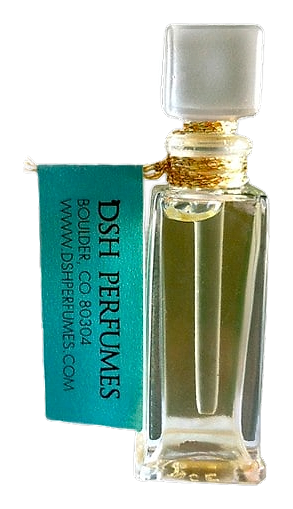
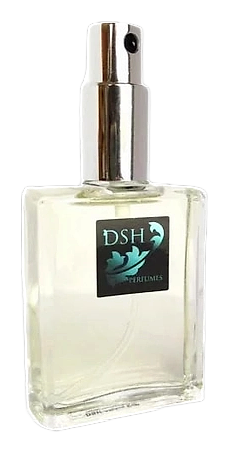
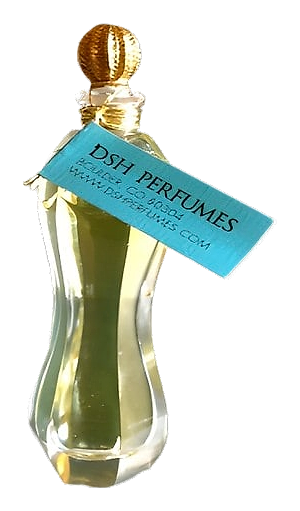
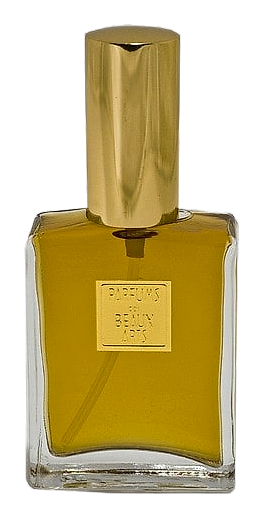
Sampsuchinon was born in 2010 as part of DSH Perfumes' "The Secrets of Egypt" collection, a commissioned project tied to the King Tut exhibition at The Denver Art Museum. Dawn Spencer Hurwitz composed the scent to channel the aromatic world of ancient Egypt, where temple rituals and embalming arts relied heavily on resin, spice, and botanical tincture. The composition orbits a central thread of ancient trade goods and ceremonial practice, materials that were prized across the Mediterranean and carried along routes where frankincense, myrrh, and a host of resinous aromatics moved alongside precious metals and textiles.
What makes Sampsuchinon unusual is its refusal to soften the herbal character with conventional sweetness. Marjoram and oregano don't typically anchor a fine fragrance, yet here they sit front and center, lending a savory, almost culinary warmth that most compositions avoid. The wine note in the opening adds an unexpected fermented edge, while costus, a root with a leathery, almost animalic quality, anchors the base alongside a quartet of balsams. This is spice cabinet territory, not gourmand territory, and that distinction defines everything about how it wears.
The evolution
The first thirty minutes are the most volatile: lemongrass cuts sharp, marjoram curls underneath, and the wine accord lends a slightly boozy, bruised-grape warmth that reads almost like a fermented sweetness on skin. That sharpness burns off, and the heart reveals its true nature, sweet honey, warm cassia, more marjoram now softened by oregano's green herbaceousness. The transition into drydown is where Sampsuchinon settles into its real identity. Costus arrives with its strange, root-like warmth, joined by spikenard's deep, dusty sweetness, and the four balsams (myrrh, Peru balsam, tolu balsam) stack into a dense, almost ecclesiastical base. There's an unmistakable church-hall quietude to the late stages, the kind of stillness that comes when incense has burned down to its final threads and only the deepest resins remain suspended in the air.
Cultural impact
Sampsuchinon lives in the world of fragrance enthusiasts who already know what costus and spikenard smell like, people drawn to incense-heavy compositions rooted in temple-resin traditions. It finds its audience among wearers who treat their collection as a reference library, curious about ancient materials and the rituals that produced them. Worn mostly in cooler months, when resinous and herbal fragrances feel most at home against wool and heavier fabrics, it carries a kind of liturgical gravity that sets it apart from easier crowd-pleasers.