The Story
Why it exists.
The beginning
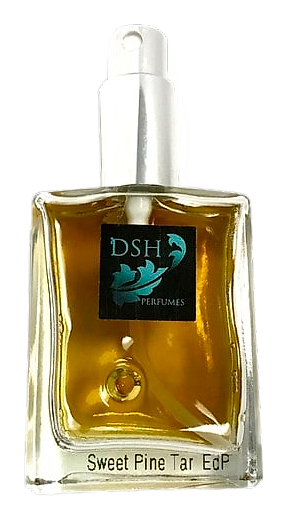
Sweet Pine Tar arrived in 2020 as part of Dawn Spencer Hurwitz's Isolation Meditation Experience, a series of botanical fragrances created during months when the world narrowed to one address and whatever could be found within it. Hurwitz lives in Colorado, where Blue Spruce, White Pine, and Ponderosa grow in her own yard. The sappy resin of conifer bark had always been a comfort to her. During lockdown, that comfort became the entire brief. "Each inhalation of Sweet Pine Tar instantly transports me to the middle of the cool and comforting forests of my childhood," she wrote in the official launch notes. The fragrance was designed as fragrant medicine, a balm for sore and tired souls when getting out wasn't an option. She called it a "magical elixir of pine amber, tar, sweet cedar heartwood, and subtle ringlets of smoky charcoal."
What makes Sweet Pine Tar chemically interesting is that every material is botanical, no synthetic aromachemicals. The CO2 extraction of the patchouli preserves more of the living plant's character than steam distillation typically achieves. Combined with mitti attar, which captures the wet-earth smell of soil after rain, and labdanum, a resin with a deep animalic warmth, the composition layers natural materials that most perfumers use as accents rather than anchors. The result is a fragrance that doesn't behave like a botanical approximation, it behaves like a real place. The birch tar is not metaphorical.
The evolution
The opening announces itself quickly, Balsam Fir bright and clean, almost lemon-adjacent before the fir deepens into its resinous character. Within minutes the smoke rises. Not from a candle. From the material itself: birch tar asserting itself over the sweetness beneath. This is where the fragrance earns its name, it stops being pleasant and starts being true. The heart introduces frankincense and patchouli, which push the composition back toward warmth. The vanilla hasn't fully arrived yet, it's waiting, tucked behind the smoke. The fir note from the opening persists, but it transforms, becoming greener, more needle-like, less resinous. Meanwhile the charcoal in the base keeps everything grounded, mineral, close to skin. Three hours in, the drydown takes over. Cedarwood and labdanum dominate. The birch tar is still there, quieter now, more like memory than presence. The bourbon vanilla has softened everything around it.
Cultural impact
Sweet Pine Tar arrived during a period when fragrance collectors were recalibrating what they wanted from scent. Months indoors had changed the relationship between wearer and fragrance, people weren't dressing for rooms full of strangers. They were wearing for themselves. Botanical fragrances, quiet sillage, and compositions with a meditative quality gained attention precisely because they offered presence without performance. Sweet Pine Tar fits that moment exactly. Its 2020 debut as part of the Isolation Meditation Experience series gave it a context, fragrance as comfort, not conquest. Collectors who found it responded strongly to its honesty: real tar, real smoke, real forest. The fragrance doesn't perform wellness. It smells like it happened in a forest.