Charcoal
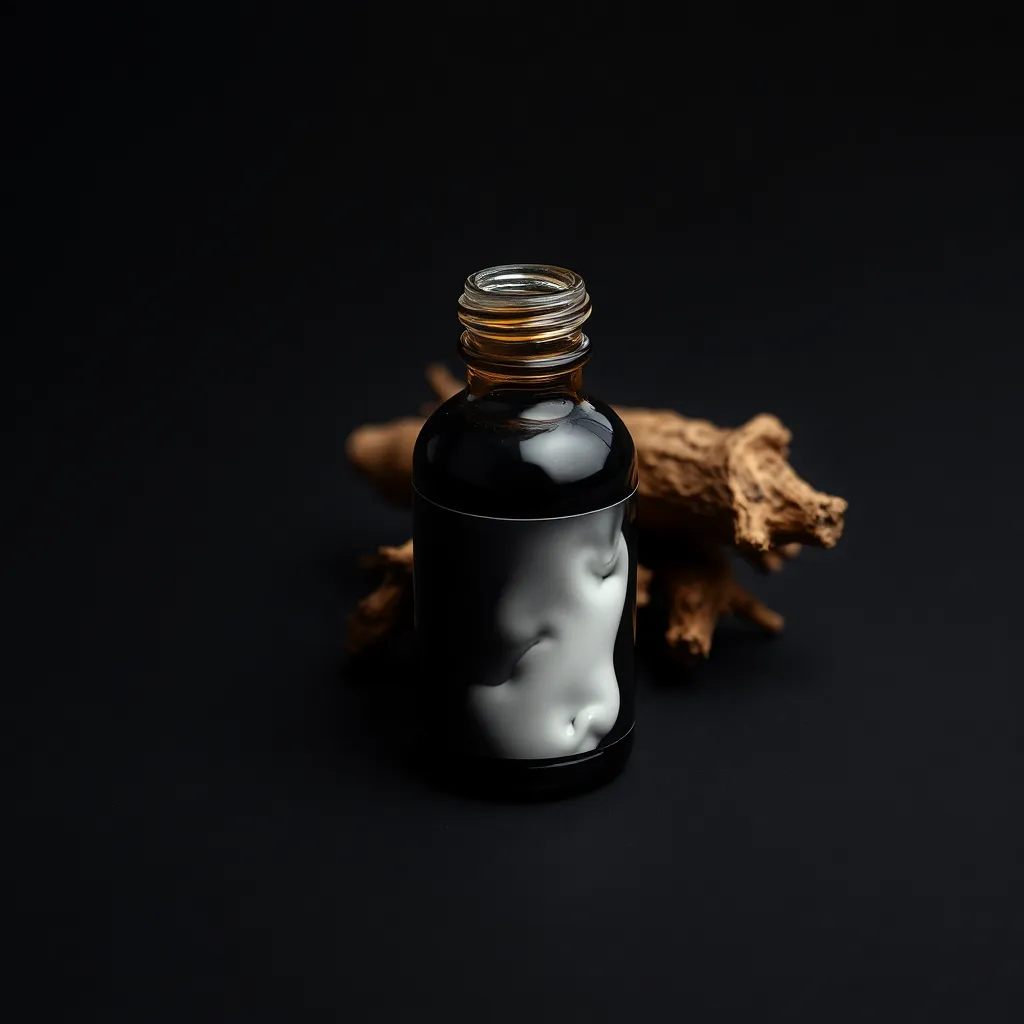
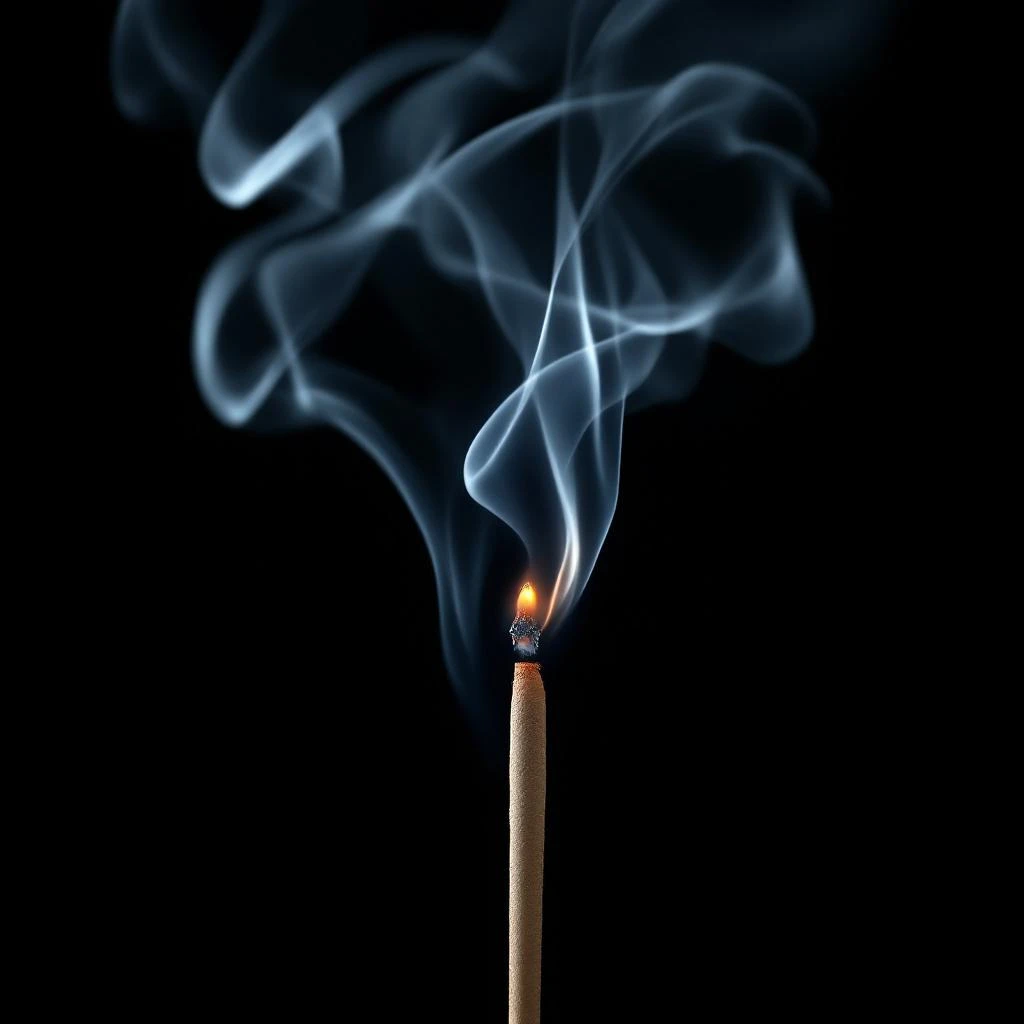
Charcoal brings an elemental edge to fragrance. It captures the primal scent of embers and woodsmoke, adding a smoky, ashy depth that grounds compositions with a quietly powerful presence.

Character
How it smells
Where fire meets fragrance
Ancient Egyptians used charred wood in sacred incense formulations over 4,000 years ago, marking one of the earliest aromatic applications of charcoal.




Origin
Southeast Asia
The use of charcoal and charred wood in fragrance stretches back to the earliest human attempts to capture and preserve scent. Ancient Egyptian priests burned cedarwood and other woods in temple rituals, creating the first recorded applications of wood smoke as an aromatic experience. These practices spread to Greece and Rome, where smoky incenses became central to religious ceremonies and medicinal preparations.
Perhaps nowhere was charcoal's aromatic potential more refined than in Japan. The kodo ceremony, developed during the Heian period, elevated the appreciation of burning wood to a contemplative art. Practitioners learned to distinguish subtle variations in smoke based on the wood's origin, age, and burn temperature. This tradition recognized that charcoal from different sources produced markedly different aromatic experiences.
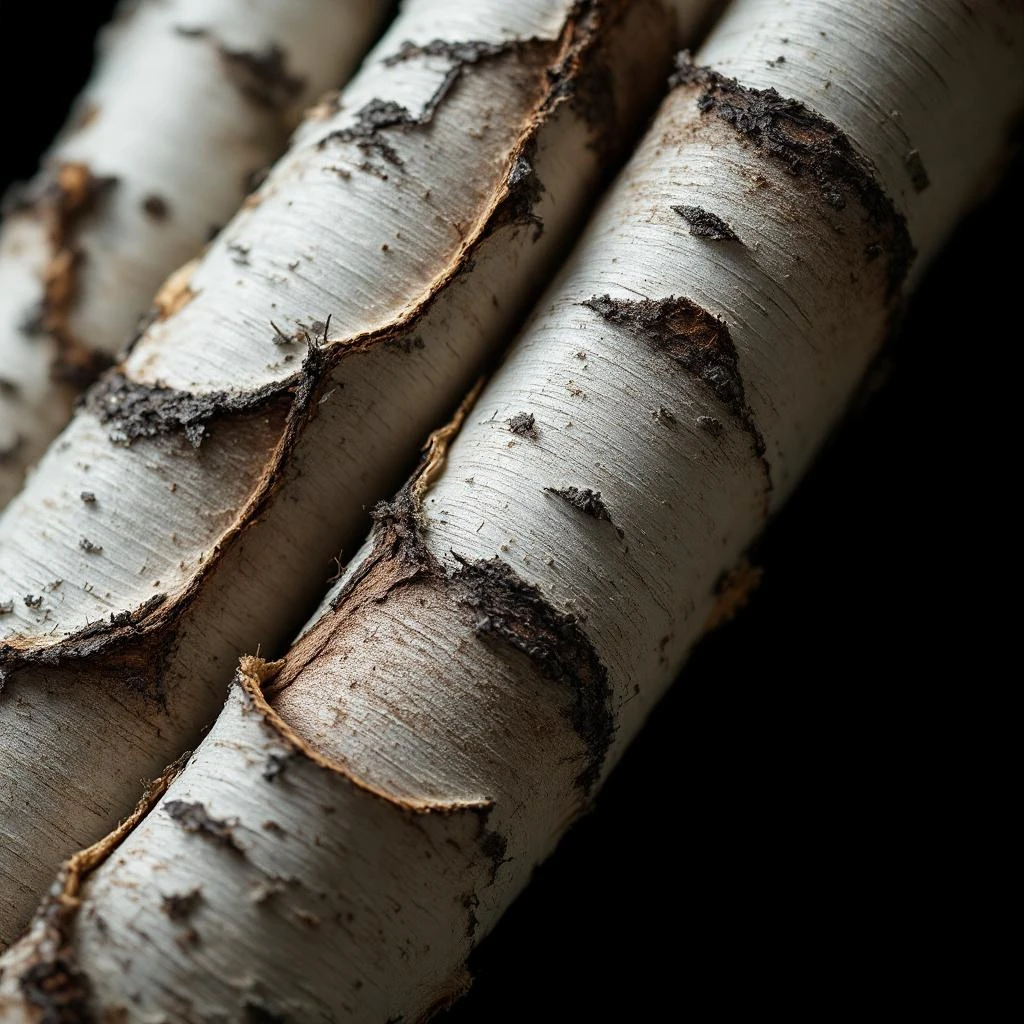
European perfumery incorporated smoky notes through materials like birch tar, used in leather-working and early fragrance compounds. The industrial age brought new methods for producing consistent charcoal and smoke extracts. Today, charcoal remains a versatile material in the perfumer's palette. It appears in masculine fragrances, smoky colognes, and atmospheric scents. Its role continues to evolve as extraction technology advances and perfumers discover new ways to harness the elemental power of fire-converted matter.
Wears it best
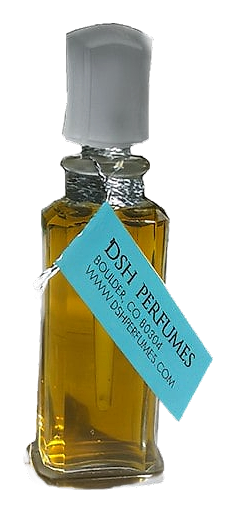
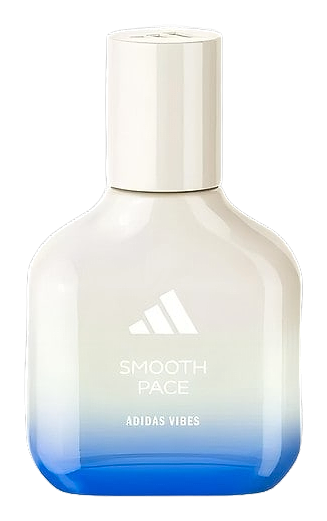
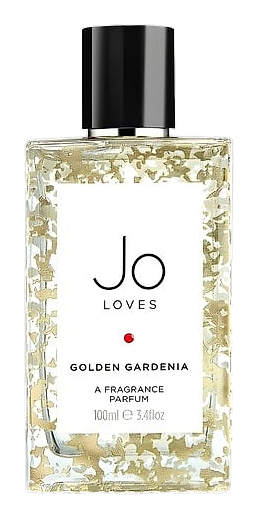
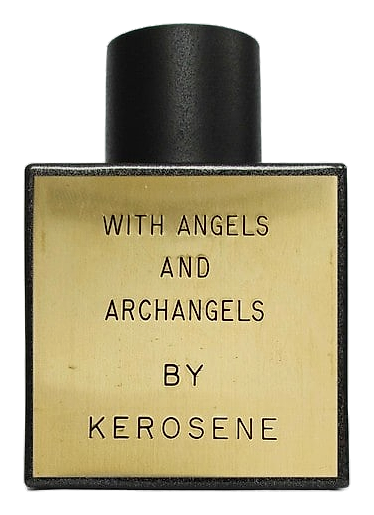
Fragrances featuring Charcoal
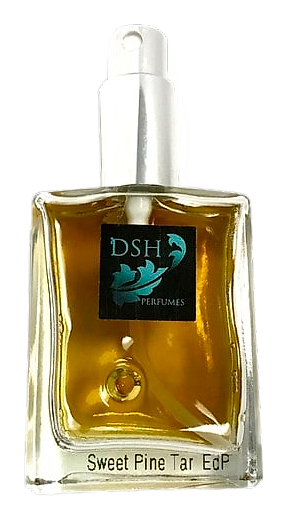
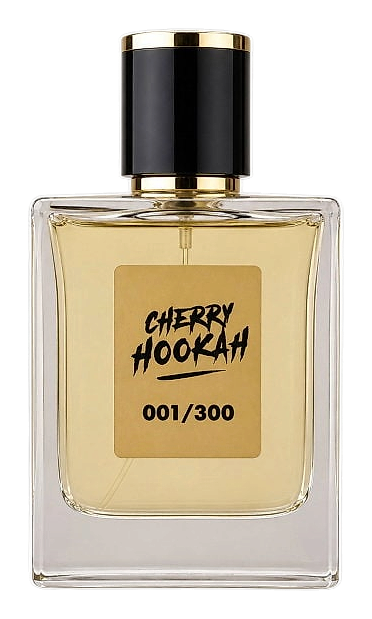
Brands
Brands known for Charcoal
Good to know
Questions, answered
The essentials on Charcoal in perfumery: how it smells, where it comes from, and how it behaves on skin.
What is charcoal and how is it used in perfumery?
Charcoal in perfumery refers to activated carbon or smoke-derived aromatic materials. It functions as both a fixative that absorbs and extends volatile compounds, and as a base note contributing smoky, ashy, and mineral characteristics to fragrances.
What scent characteristics does charcoal contribute to a fragrance?
Charcoal adds smoky, ashy, and slightly tar-like qualities with mineral undertones. It creates a dry, elemental effect reminiscent of embers and woodsmoke, bringing grounding depth to fragrance compositions.
Is charcoal a natural or synthetic ingredient?
Charcoal exists in both natural and synthetic forms. Natural versions include birch tar and cade oil derived from burned wood. Synthetic alternatives replicate smoke compounds through modern chemistry for more consistent results.
What role does activated charcoal play in fragrance manufacturing?
Activated charcoal acts as a filtering agent in fragrance production. Its porous structure absorbs impurities, color compounds, and off-odors from aromatic extracts, creating purer final materials.
What is the historical significance of charcoal in perfumery?
Charred wood has appeared in fragrance since ancient Egypt, where priests burned cedarwood in temple rituals. Japanese practitioners later refined wood smoke appreciation through the kodo ceremony during the Heian period.
What types of fragrances commonly feature charcoal notes?
Charcoal appears primarily in masculine fragrances, smoky blends, and leather compositions. It also enhances vetiver, tobacco, and oud-based formulas with subtle atmospheric warmth.
How do perfumers incorporate charcoal into fragrance formulations?
Perfumers use charcoal as either a primary smoky note or as a supporting element. It works particularly well with woody, earthy, and aromatic materials, adding depth without overwhelming lighter top notes.
Are there safety considerations with charcoal in fragrances?
Activated charcoal in high concentrations may cause skin sensitivity due to its absorbing properties. Regulatory bodies like IFRA establish usage guidelines and concentration limits for charcoal-derived materials.