The Story
Why it exists.
The beginning
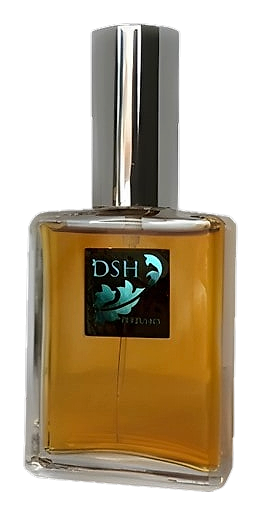
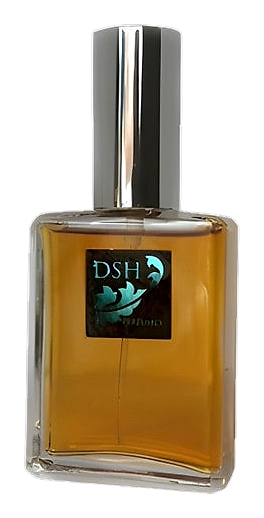
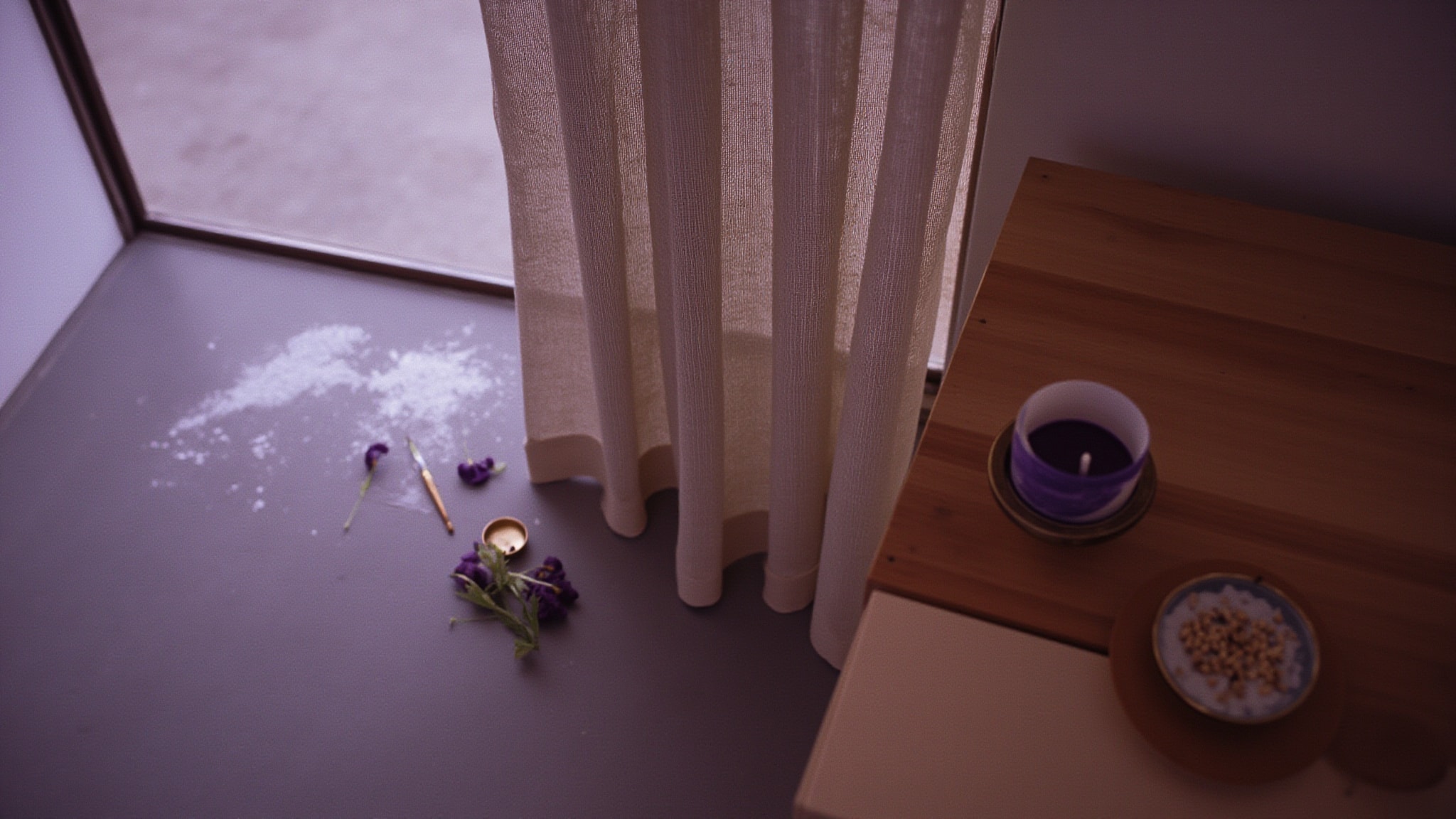
Dawn Spencer Hurwitz built Paradise Lost inside her Clarimonde Perfume Project in 2011, a studio exercise in translating literature into scent. The inspiration landed in Théophile Gautier's short story La Morte Amoureuse, where the love story centers on a figure named Clarimonde who dies. Hurwitz fixated on one image: a twilight blue oriental perfume, faded flowers beside a bed of gold and silver, a negro page in black velvet holding an ivory cane. She saw Delacroix's color palette and Gautier's velvet melodrama, then set out to bottle the contradiction between cool atmosphere and warm opulence. The title Paradise Lost works on two levels, and Hurwitz has spoken about the double literary reference she intended, though she stops short of naming any specific second text.
What makes the structure unusual is the collision of cool, almost mineral materials with dense resinous warmth. Violet and chamomile read muted, even slightly sweet-bitter. Champaca and immortelle bring a deep, almost maple-like solar glow. The heart stages a strange meeting: lotus, orris root, and a candlewax note that smells closer to a chapel than a florist shop. The base pushes further into the uncanny with fossilized amber, mitti attar, myrrh gum, and animalic touches. It's a perfume that treats the Gautier story's gothic atmosphere as literal material rather than mood lighting.
The evolution
The first ten minutes read almost like a bruise. Violet and immortelle land cool, slightly medicinal, with chamomile and champaca flickering underneath like distant candlelight. Then the candlewax note surfaces in the heart, waxy and warm, and the orris arrives like dust on velvet. Lotus quiets everything down rather than amplifying it. The drydown is where the perfume earns its name: fossilized amber brings a warm, almost geological depth, myrrh resin hums underneath, and the animalic touches surface as something lived-in, like skin under wool. The mitti attar lends an earthy edge that never fully disappears, pulling the composition toward something mineral and grounded. On skin the composition holds close enough to notice, far enough to leave room, a moderate projection that doesn't demand attention but rewards proximity.
Cultural impact
Paradise Lost arrived as part of The Clarimonde Perfume Project, a literary study where Hurwitz leaned into her visual sensibility. The composition treats Gautier's text as compositional material, drawing directly from the story's imagery and atmosphere. The violet and candlewax accord reads almost ecclesiastical, while the fossilized amber and myrrh bring something devotional and ancient. It belongs to a category of literary perfumery that translates narrative into scent rather than simply borrowing names. Wearers often describe it as a cooler, more meditative oriental, closer in feeling to a Delacroix painting than a typical amber floral.