The Story
Why it exists.
The beginning
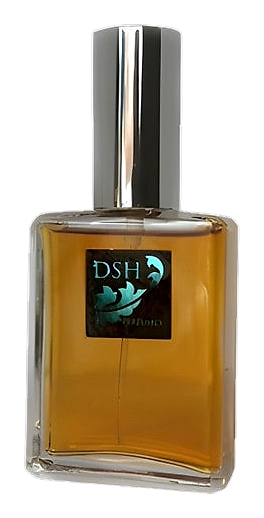
Musc al Medina sits inside Dawn Spencer Hurwitz's workspace like a postcard from somewhere older. Launched in 2016, it's her take on the classic dark musks, the kind that carry the weight of centuries of perfume history in their animal-sweet density. The name itself points toward the source: musks dense and heavy and unapologetically present, the sort that demand attention rather than whisper from a cloud of sillage. What Hurwitz reached for wasn't a polished shimmer or a crowd-pleasing trail. She went for the original, the mythic, the scent the old perfume books describe but rarely revisit. It reads as a study in texture rather than a statement of fashion.
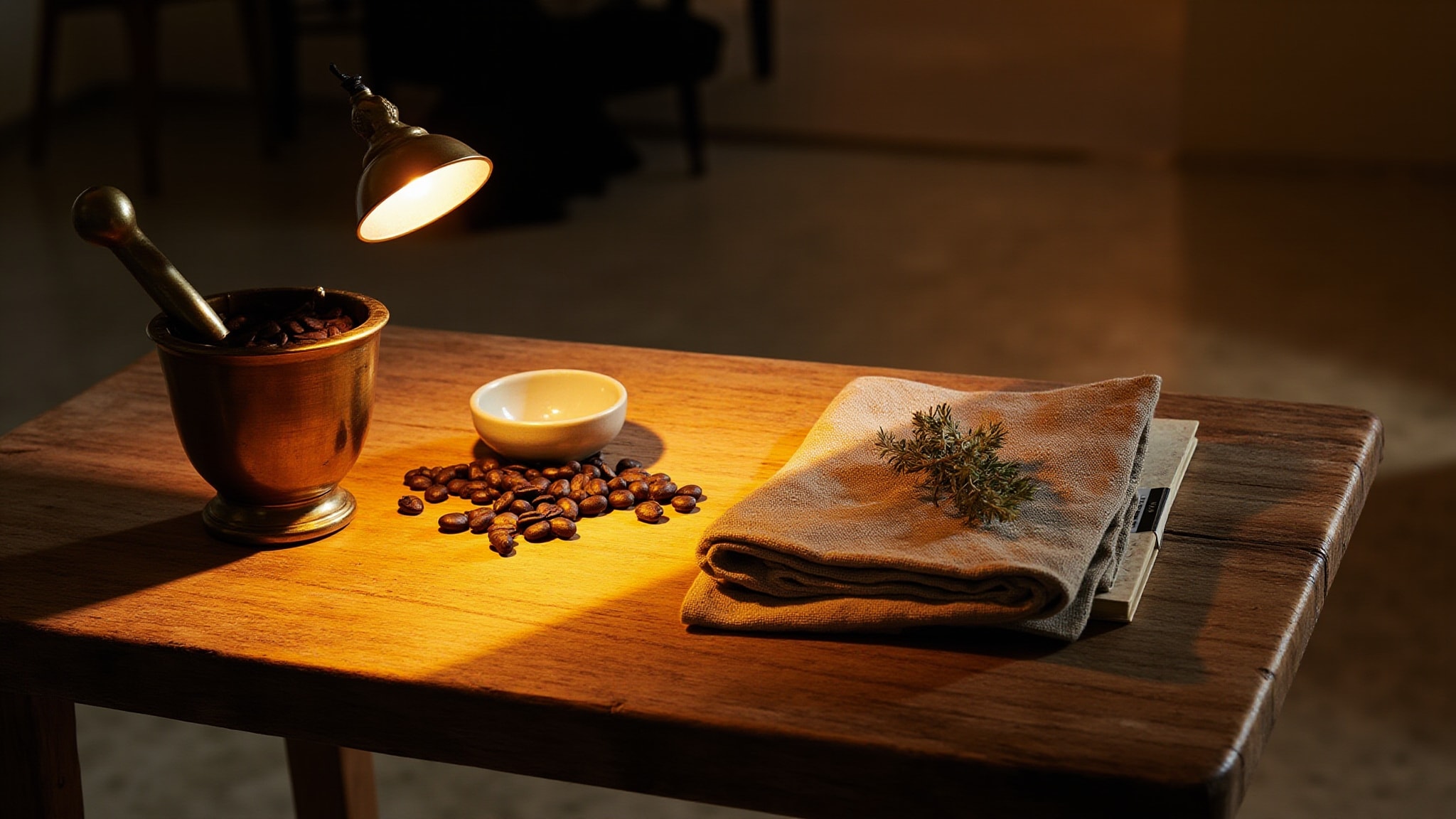
The coffee absolute does the unexpected work here, threading through what could have been a strictly resinous heart with a roasted, faintly bitter counterpoint. Arabian myrrh and ambergris build the gravity in the base, while vetiver pulls everything down toward wet earth and root. There's a tethering in the structure, each component holding another accountable, so the composition doesn't float away into sweetness. The result is a scent that stays anchored to the skin, moving with the wearer rather than projecting outward into a room.
The evolution
The first ten minutes are all collision: artemisia's green bitterness cuts against Chinese geranium's dusty rose, and the spices arrive hot and immediate, more like cracked peppercorn than baking warmth. Then the coffee absolute shows up at the heart, dark and a little burnt, and it pushes the florals sideways. What's left starts to bind. The musk arrives early and stays. Oud eventually dominates the spice, settling into the composition like a slow-moving shadow. Ambergris does something almost geological underneath, a salt-mineral hum that reads like skin that's been warm all day. The drydown, hours in, is quieter. Myrrh and vetiver pull the composition into a low, resinous murmur. On skin the following evening: leather, something faintly sweet, and the ghost of that coffee note, still warm somewhere under the surface.
Cultural impact
Musc al Medina reads as a deliberate throwback, a meditation on the style of musk perfume that carries older associations. It sits alongside oud-and-musk compositions from other independent houses but feels less commercial, positioned for a specific kind of wearer. The kind of scent that ends up in a personal collection rather than a gift set. There's an academic quality to the way Hurwitz approaches her dark musks. The composition feels researched rather than marketed, each material chosen for what it contributes to the whole rather than for its recognition factor. This isn't a fragrance designed to sell from a department store counter.