The Story
Why it exists.
The beginning
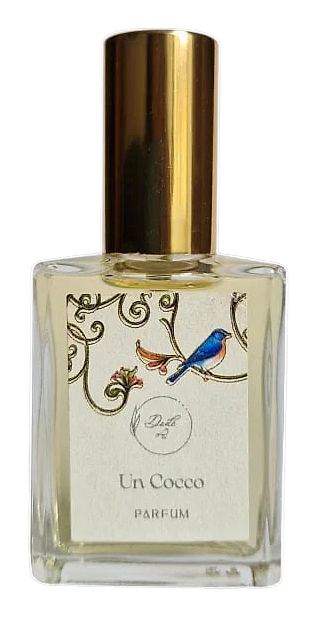
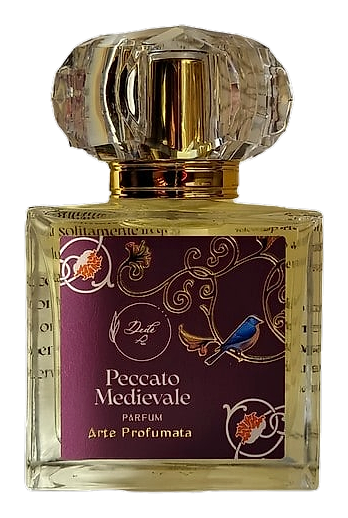
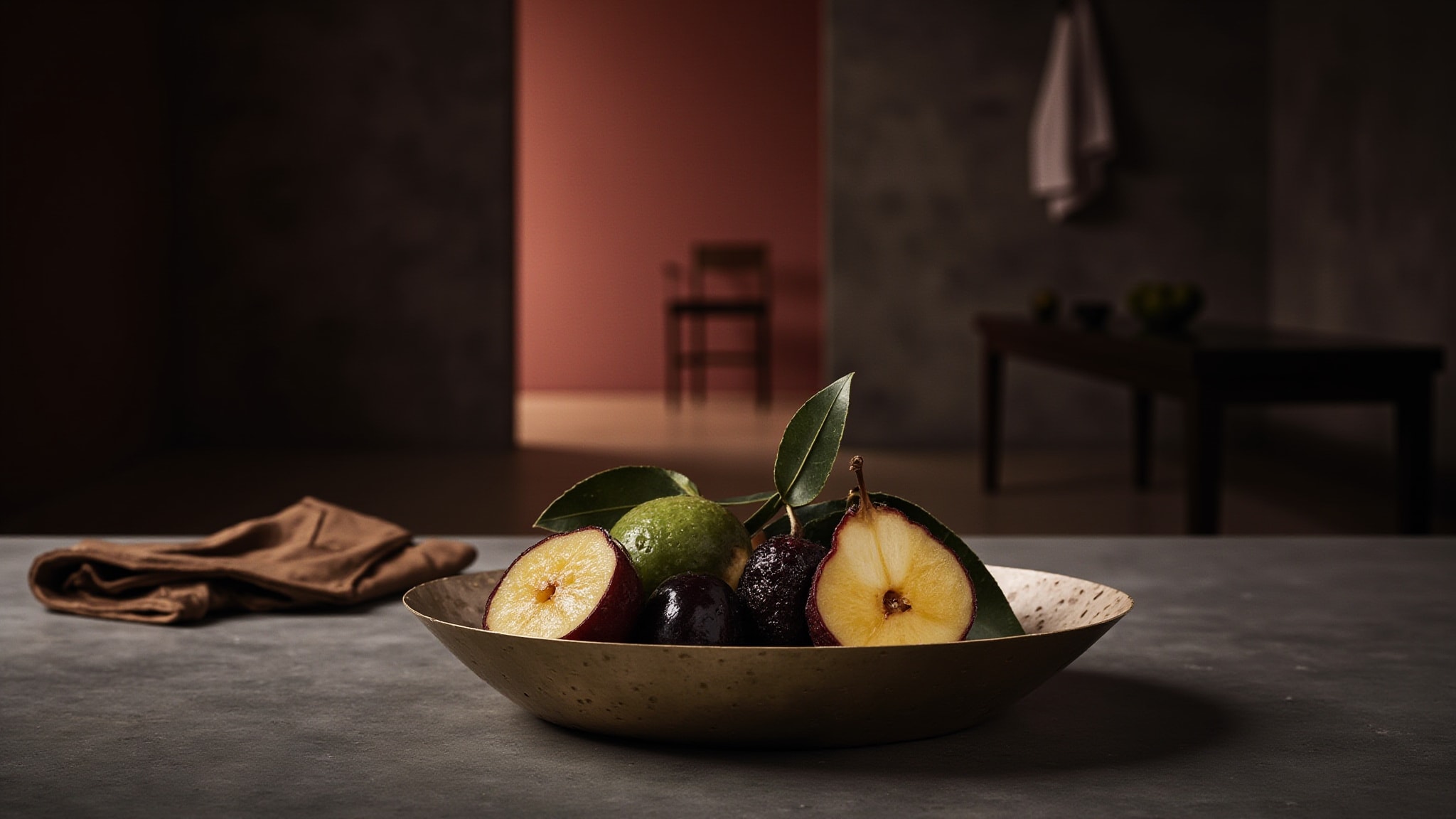
Peccato Medievale was composed by Denise Meles and launched in 2026. Its title points toward a medieval register, and its scent concept is an imagined garden of forgotten fruits and ripe yellow drupes abandoned in a sun-warmed basket. That idea arrives through bay leaf, then opens into dates, plum, wine must, bearberry, jujube, medlar and quince. Suede and frankincense gather the composition around tactile softness and dry resin. The scent feels less like a literal period piece than a remembered medieval garden unfolding in the present tense, with leafy freshness giving way to ripe fruit, soft suede and a resinous finish.
The unusual part is how convincingly sweet fruit and weathered surfaces share the same space. Bay leaf lends the opening a green, almost savoury snap, while dates, plum, wine must, bearberry, jujube, medlar and quince create a layered abundance. Suede then pulls those juices toward skin, giving the fruit a soft, tactile dimension rather than a purely sweet reading. Frankincense adds a dry, ceremonial shadow beneath the richer notes. The bay leaf keeps the fruit bright, while wine must adds depth to the center.
The evolution
The first impression is leafy and aromatic, with bay leaf giving the composition a clean, bitter-green edge. That brightness soon gives way to a lavish fruit sequence: dates and plum add ripeness, wine must brings a vinous depth, and bearberry, jujube, medlar and quince make the center feel abundant but not manic. As the fruit settles, suede introduces a soft, tactile warmth, less polished than a conventional leather note. Frankincense rises through the background, adding resinous dryness and a faint ceremonial hush. The composition is shaped by contrast: the green bite of bay leaf keeps the fruit from becoming overly sweet, while wine must gives it depth. Plum and dates supply a dark, honeyed richness, bearberry adds a brighter berry accent, and jujube brings a rounded fruitiness. The softer medlar and quince notes temper that abundance with a gently tart character.
Cultural impact
Peccato Medievale expresses its artistic concept through an imagined garden of forgotten fruits and ripe yellow drupes abandoned in a sun-warmed basket. The title establishes a medieval register, while the notes translate that premise into an aromatic composition: bay leaf introduces a green snap, dates, plum, wine must, bearberry, jujube, medlar and quince build a layered fruit sequence, and suede and frankincense add tactile warmth and dry resin. The fragrance invites exploration of its contrast between fresh greenery, ripe fruit and structured, resinous accents.
The House
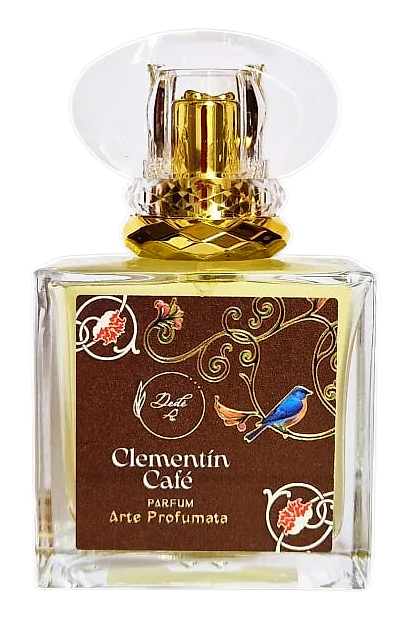
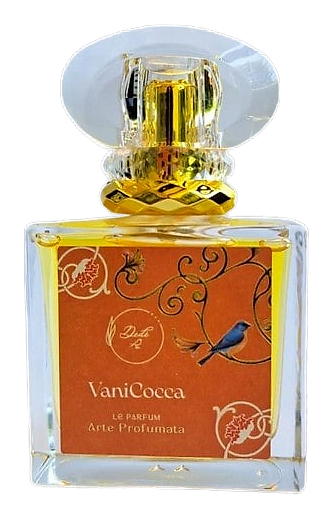
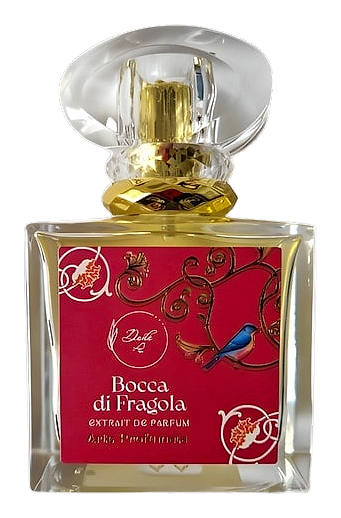
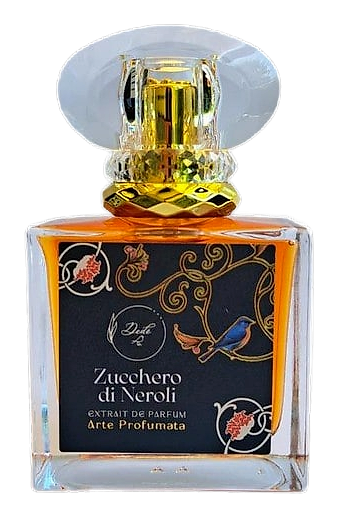
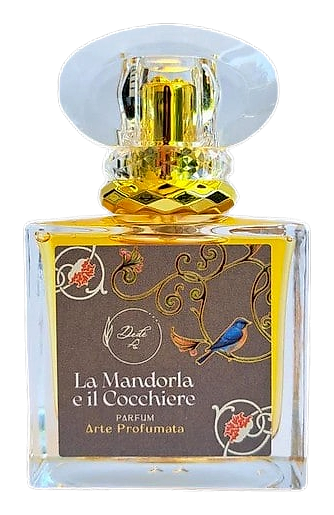
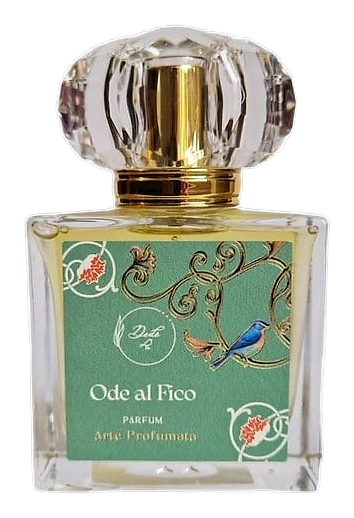
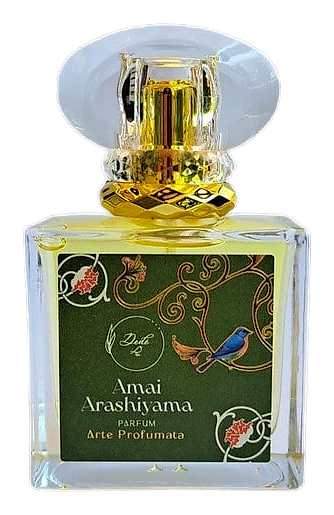
Dedé Arte ProfumataDedé Arte Profumata is an independent Italian perfume house that translates visual art into olfactory experiences. Founded by perfumer‑entrepreneur Denise Meles, the label releases a handful of niche scents each year, each one built around a single concept such as a fig tree, a Japanese garden or a sweet vanilla reverie. The brand positions itself as a laboratory of scent where a small studio, a handful of collaborators and a clear artistic brief converge to create fragrances that feel both intimate and cinematic. Its catalogue, which includes Ode al Fico (2025) and Amai Arashiyama (2022), has attracted collectors who value the personal touch of a formula written by a single nose.
The Creator
Denise MelesDenise favors a methodical layering technique, building each perfume from a clear base upward. She often starts with a mineral or woody foundation, then adds a heart of aromatic herbs or florals, and finishes with a bright, fleeting top.