Jujube
Jujube brings a warm, honeyed sweetness to fragrance with subtle notes of dried apple and caramel. This fruit-derived aroma adds a comforting, gourmand softness to compositions seeking natural depth.
Character
How it smells
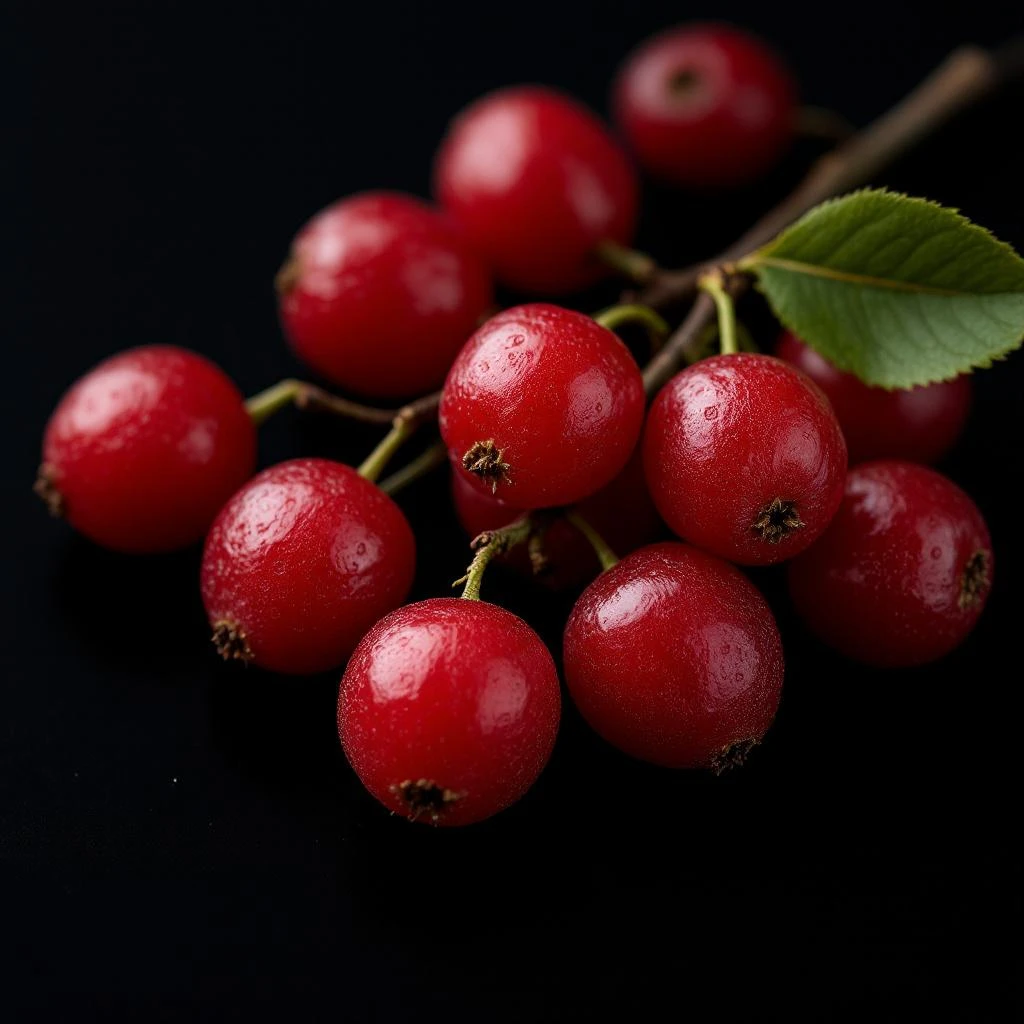
Sweet fruit with quiet, honeyed warmth
Jujube has been cultivated in China for over 4,000 years, making it one of the oldest domesticated fruit trees on record.


Origin
China
Jujube holds one of the longest cultivation histories of any fruit species, with archaeological evidence placing its domestication in the Yellow River valley of northern China over four millennia ago. Chinese medical texts from the Han dynasty, dating to around 200 BCE, document jujube as both food and remedy, prescribing it for strength and calm.
Its use in fragrance and ritual is similarly ancient; dried jujube fruits appeared in ceremonial offerings and incense blends throughout East Asia for centuries. Trade along the Silk Road carried jujube westward into Persia and the Mediterranean by the early medieval period, where it became known as the Chinese date and found a place in Middle Eastern sweet preparations.
In modern perfumery, jujube emerged as a recognizable note only in the early 21st century, as gourmands grew in popularity and perfumers sought natural-sounding alternatives to synthetic candy accords. Today it appears in niche and artisanal compositions aiming to evoke warmth, comfort, and edible softness.
Wears it best
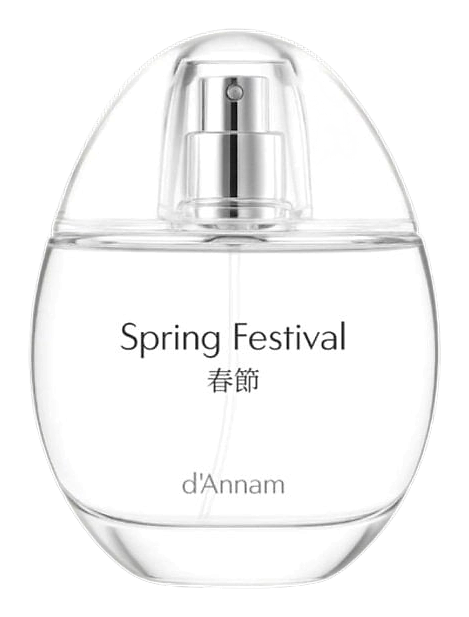
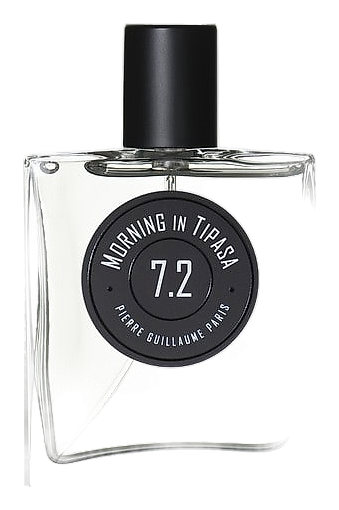
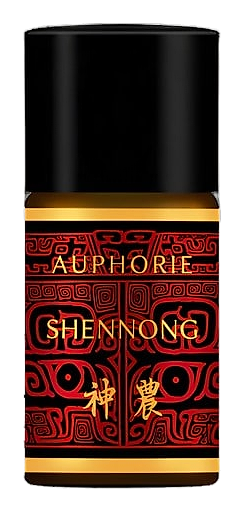
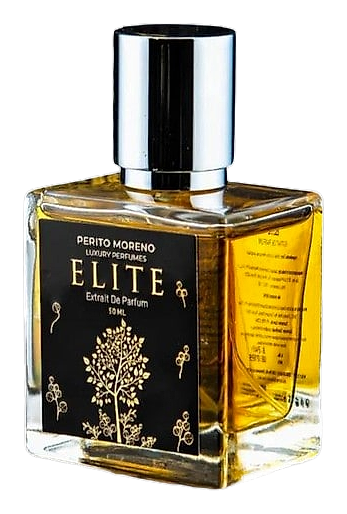
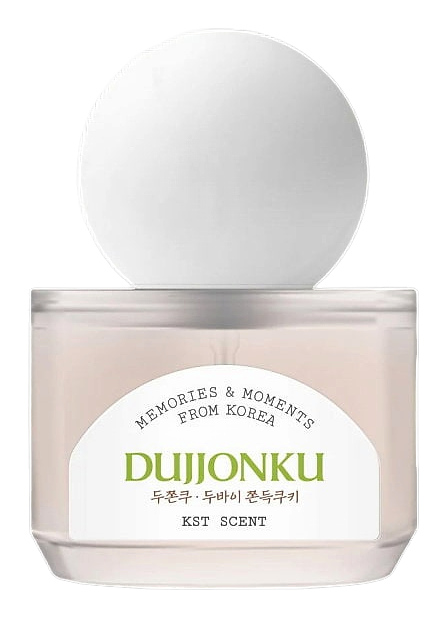
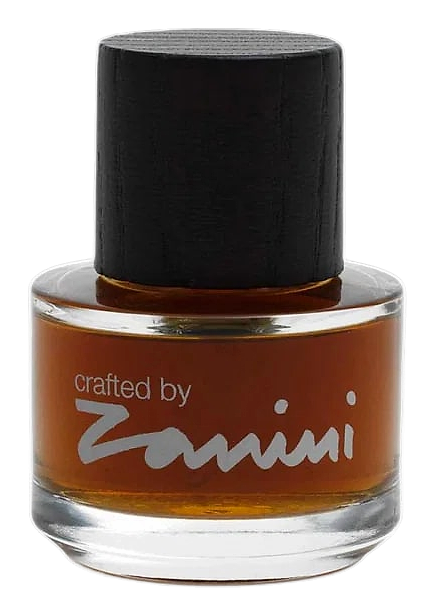
Fragrances featuring Jujube
Brands
Brands known for Jujube
Good to know
Questions, answered
The essentials on Jujube in perfumery: how it smells, where it comes from, and how it behaves on skin.
What does jujube smell like in perfume?
Jujube presents a sweet, warm aroma that recalls dried apple, soft date, and light caramel. It reads as naturally gourmand without the sharp sweetness of synthetic candy notes, lending a grounded, edible quality to fragrance compositions.
Is jujube the same as red date?
Yes. Jujube and red date refer to the same fruit, Ziziphus jujuba. The name varies by region, with jujube common in botanical and Western contexts and red date prevalent in Chinese culinary tradition.
Where does jujube fragrance material come from?
Most jujube used in perfumery originates from China, where the fruit has been cultivated for over 4,000 years. Production centers include Shandong, Henan, and Shanxi provinces, where the dry climate favors fruit ripening.
How is jujube essential oil extracted?
Steam distillation of the dried ripe fruit is the standard method. Some producers use solvent extraction to recover heavier aromatic molecules that distillation may leave behind, producing a more complete aromatic profile.
Is jujube a natural or synthetic fragrance note?
Jujube exists as both. Natural extracts come from the distilled or solvent-processed fruit, while synthetic versions recreate its sweet, apple-like character using individual aroma compounds for consistency and cost efficiency.
What fragrance families does jujube suit best?
Jujube fits naturally within gourmand and oriental families, pairing well with vanilla, sandalwood, tonka bean, and warm spices. It can also soften fruity florals when used as a base note bridge.
When did jujube first appear in Western perfumery?
Jujube gained recognition in Western niche perfumery in the early 2000s, coinciding with the gourmand trend. Its appearance in mainstream fragrance remains limited compared to more established sweet notes.
Is jujube fragrance safe for skin?
Jujube extracts used at typical perfumery concentrations present low risk of irritation. As with any botanical material, individuals with sensitivities to fruits in the Rhamnaceae family should patch test before full application.