Pu-erh Tea
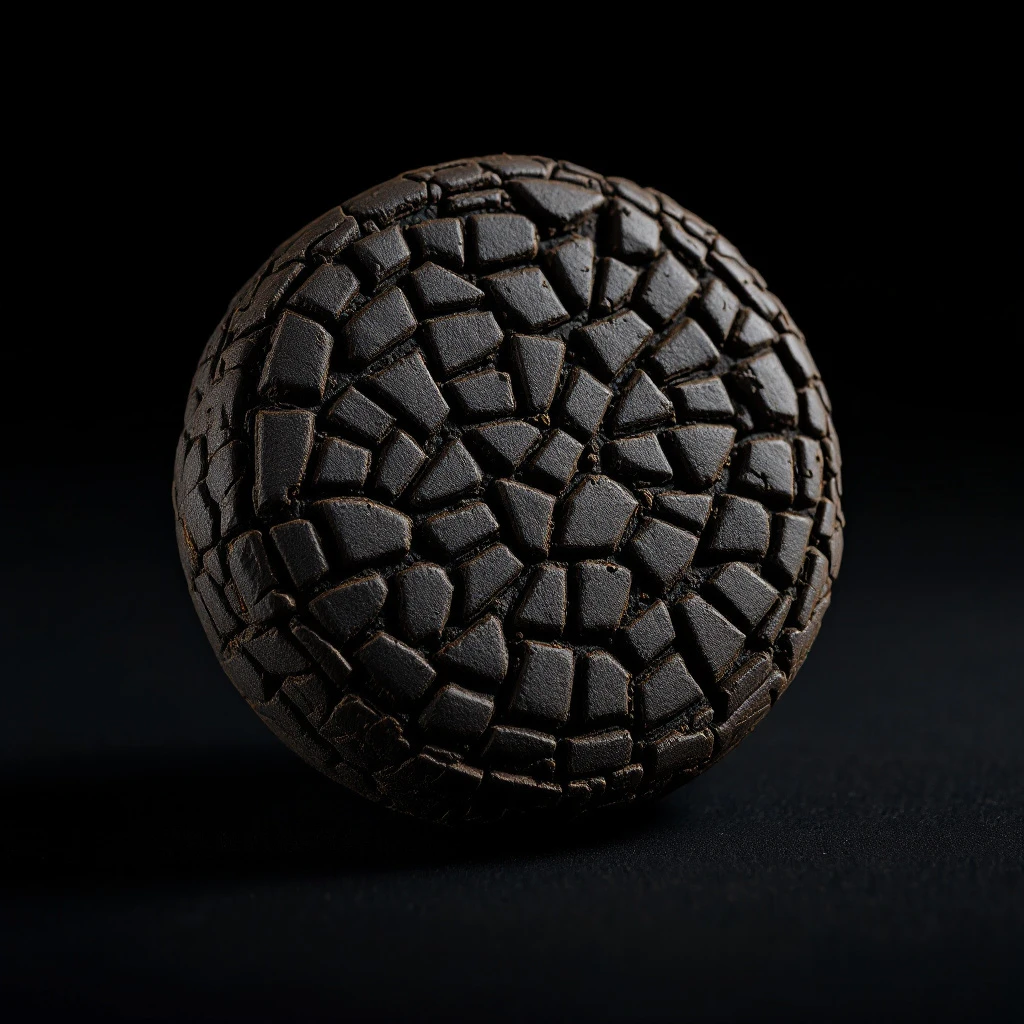
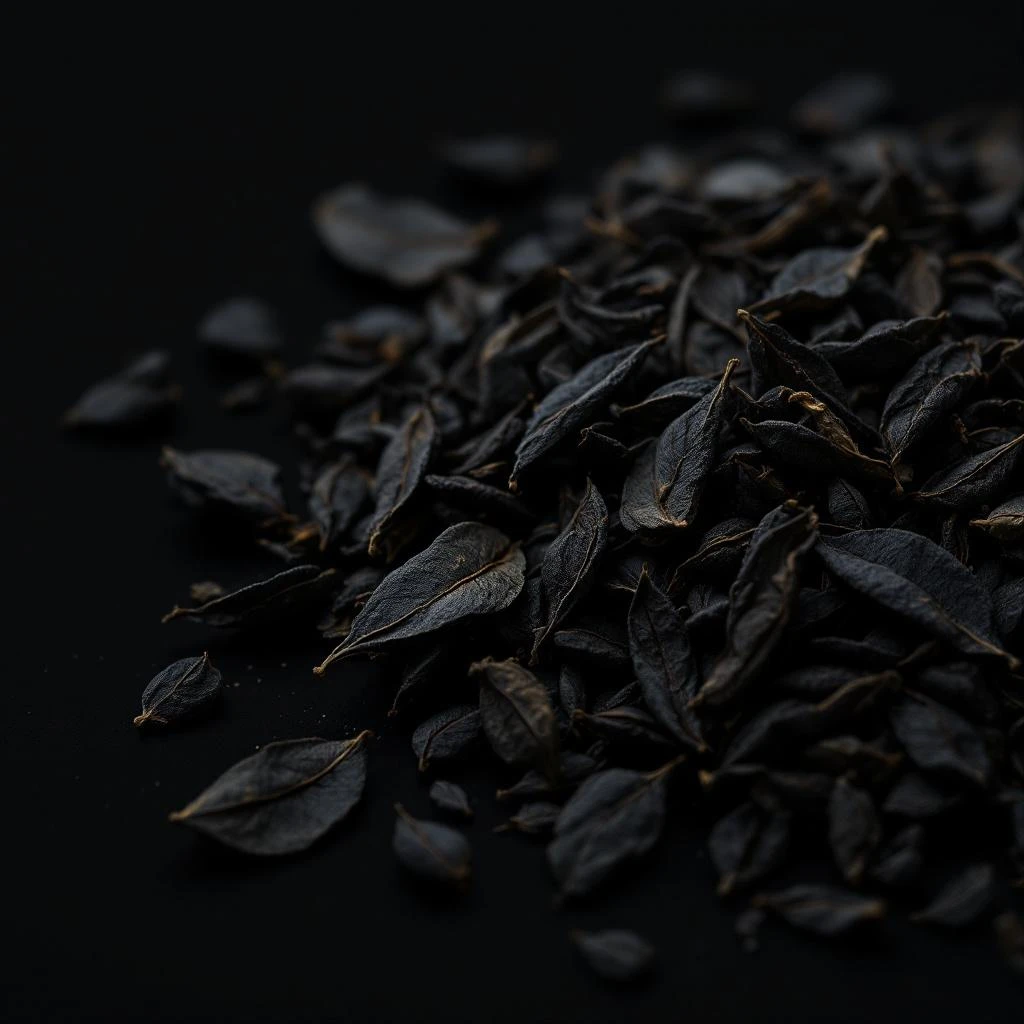
Pressed fermented tea leaves from Yunnan Province, aged for years until they develop a dense, earthy aroma with notes of damp wood, mushroom, and faint tobacco. The rarest tea in perfumery, prized for its ability to anchor oriental and woody compositions with mineral depth.
Character
How it smells
Earth, smoke, and centuries in every leaf.
Pu-erh is the only tea in the world that improves with age, much like fine wine, developing more complex aroma compounds over decades.






Origin
China
Pu-erh tea originates in Yunnan Province, where tea trees have grown wild for thousands of years. Historical records trace its use to the Eastern Han Dynasty (25-220 CE), and trade along the Silk Road began during the Tang Dynasty.
Yunnan's geographic position made it a critical gateway between China and Tibet, Burma, and Southeast Asia. Merchants compressed pu-erh into dense bricks or cakes specifically for transport along ancient trade routes, where the tea's fermentation process continued during months of travel through humid climates.
This accidental aging produced the distinctive earthy, complex character that later became prized in its own right. Today, pu-erh cakes over 50 years old command extraordinary prices among collectors, though perfumers typically work with 5 to 20-year-old materials for their optimal balance of barnyard, mushroom, and dried fruit notes.
Wears it best
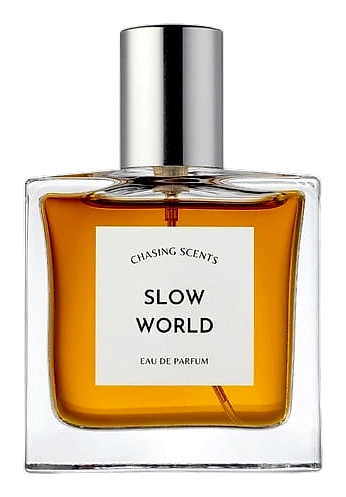
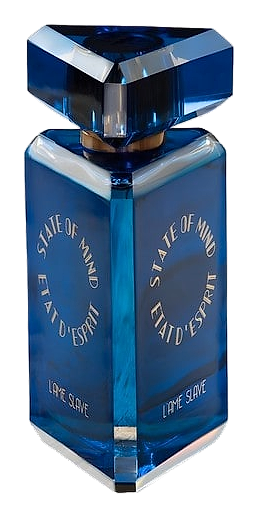
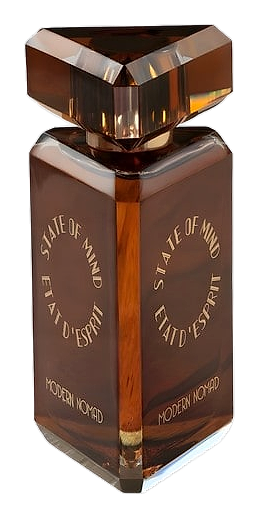
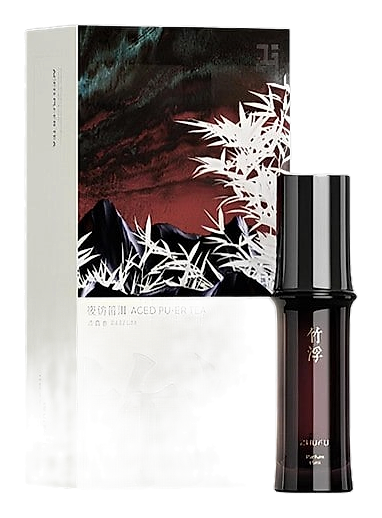
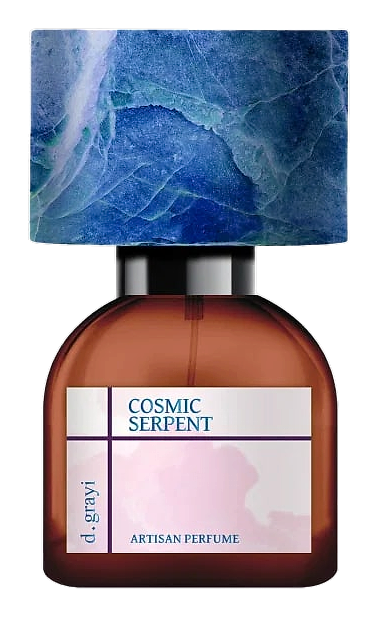
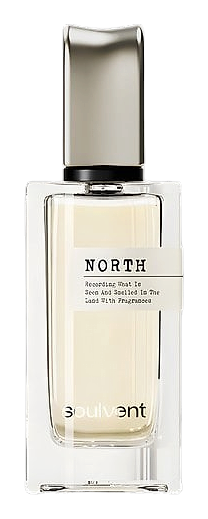
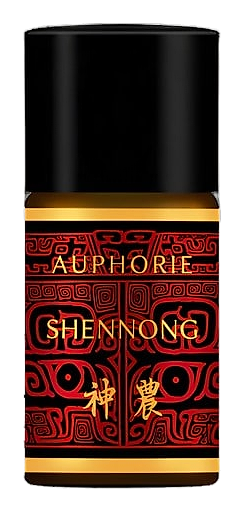
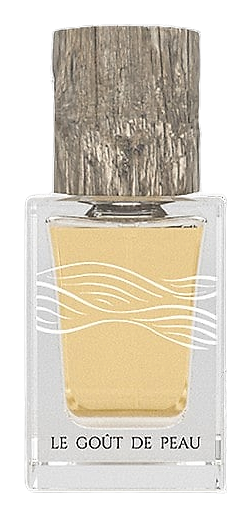
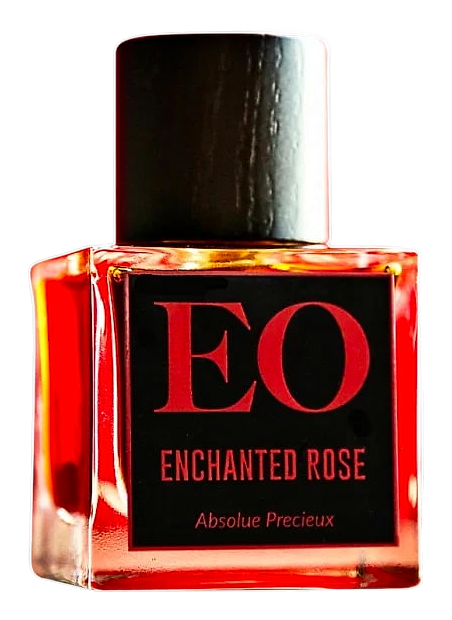
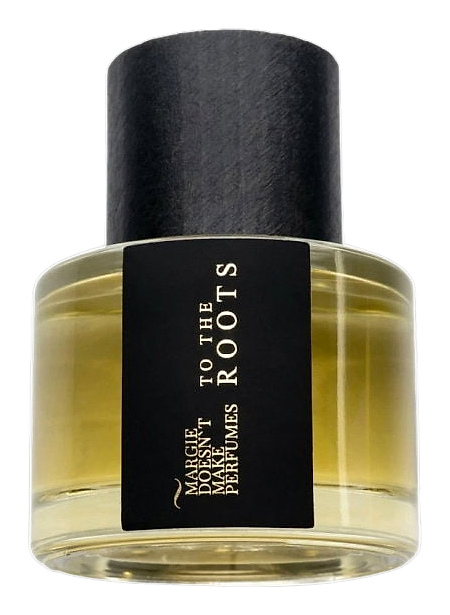
Fragrances featuring Pu-erh Tea
Brands
Brands known for Pu-erh Tea
Good to know
Questions, answered
The essentials on Pu-erh Tea in perfumery: how it smells, where it comes from, and how it behaves on skin.
What does pu-erh tea smell like in a fragrance?
Pu-erh tea absolute delivers an earthy, mineral-forward aroma combining damp wood, forest floor, mushroom, and faint tobacco. It functions as a base note that adds aged depth and complexity to woody or oriental fragrance compositions.
Is pu-erh tea a natural or synthetic fragrance ingredient?
Pu-erh tea used in fine fragrance is natural. It is extracted via supercritical CO2 from fermented Yunnan large-leaf tea leaves that have undergone microbial aging, typically for five to twenty years.
What fragrance families use pu-erh tea notes?
Pu-erh appears primarily in woody, oriental, and fougère compositions. It pairs effectively with oud, vetiver, cedar, and leather notes, adding mineral and aged-wood dimensions that synthetic tea accords cannot replicate.
How long has pu-erh tea been used in perfumery?
Pu-erh as a named fragrance ingredient emerged in the early 2000s, though tea absolute has appeared in perfumery since the 1980s. Its rise tracks growing Western interest in Chinese tea culture and artisan fermented ingredients.
Why is pu-erh tea rare in perfumery?
The rarity stems from limited extraction yields and the specific aging requirements. Only Yunnan Province produces authentic pu-erh, and perfumers require aged material with developed aroma profiles, constraining supply of suitable extracts.
Does aged pu-erh smell different from younger pu-erh in fragrance?
Yes. Younger pu-erh (3-7 years) emphasizes fresh earth and mushroom. Older pu-erh (15+ years) develops sweeter, more resinous qualities with reduced barnyard and greater complexity, offering different creative options.
What makes Yunnan pu-erh unique compared to other teas?
Yunnan produces the only tea plant species (Camellia sinensis var. assamica) with large leaves suited to post-fermentation. The region's altitude, humidity, and native microbial environment create pu-erh's distinctive terroir, impossible to replicate elsewhere.
How do perfumers source pu-erh tea for fragrance production?
Fragrance houses source pu-erh through specialty tea merchants in Yunnan or work directly with fermentation masters. Quality assessment relies on sensory evaluation of the raw material before extraction, as chemical composition varies significantly by producer and aging conditions.