The Story
Why it exists.
The beginning
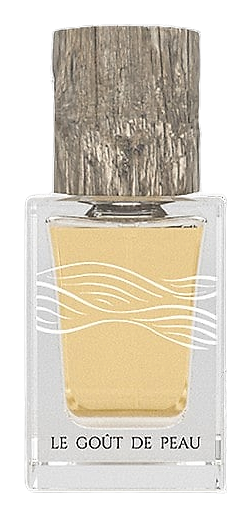
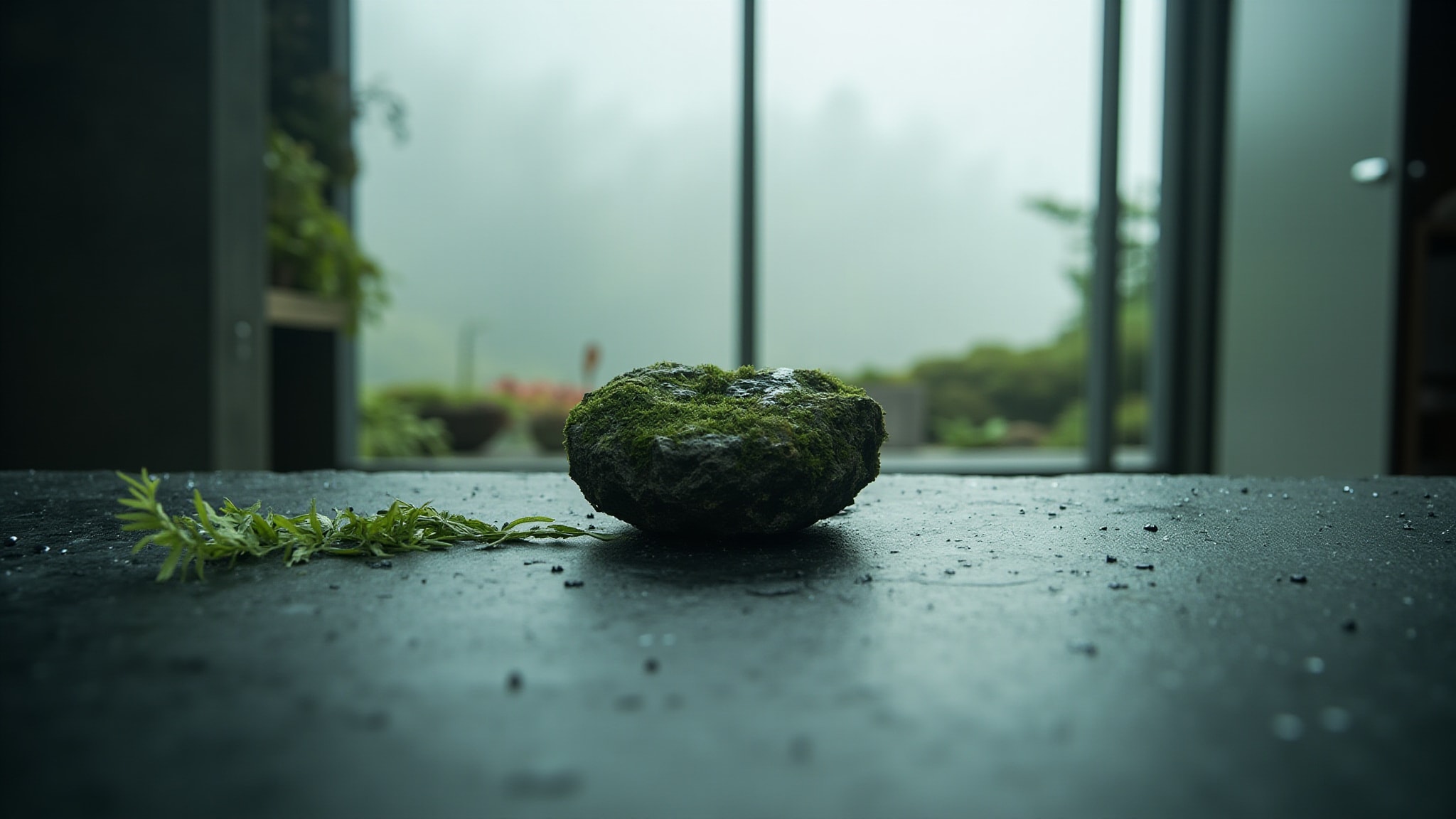
Yubeng is a village in Yunnan Province, China, tucked into the foothills of the Meili Snow Mountain range. Sacred to Tibetan Buddhists, it's one of the country's most remote settlements, accessible only by foot, through mountain passes that close for months each year. The name itself means something like 'rain collapse,' describing the waterfalls that thunder down the cliffs in summer. Le Goût De Peau named this fragrance for that place: not the postcard version, but the real one. Fog, stone, altitude, and tea, the materials that define the landscape found their way into the bottle.
What makes this composition unusual is the pu-erh tea appearing twice in the pyramid, once at the top, once in the base. Most fragrances treat tea as a fleeting top note, a bright flash before the heart takes over. Here, the fermented, slightly smoky quality of pu-erh anchors both the opening and the drydown, creating a circular structure that mirrors how tea cultivation shapes the Yubeng landscape itself. The fougère note reinforces this: ferns blanket the forest floor at that altitude, cool and damp and persistent. Rose and sandalwood soften the earthiness without replacing it, a temple garden appearing briefly in the fog.
The evolution
The opening hour belongs to the fern. Cool, green, slightly bitter, not unpleasant, but an acquired taste. The pu-erh sits alongside it, adding a fermented, mineral undertone that reads more like damp stone than a teacup. No sweetness here yet. Around the 30-minute mark, the rose arrives. Not a bright floral burst, more like petals glimpsed through mist, softened by the sandalwood that follows. The heart phase is brief but warm, a contrast to the cool opening. Then the base takes over: patchouli earthiness first, with the pu-erh returning to close things out. The drydown is intimate, close to the skin, lasting 4-6 hours on most. What lingers the next day is the faintest trace of tea and earth, the mountain's memory on fabric.
Cultural impact
Yubeng arrives in a niche fragrance landscape increasingly drawn to tea as a material, but pu-erh remains uncommon, its fermented depth still unfamiliar to most Western noses. The brand's geographic naming convention sets it apart from houses that rely on abstract fragrance terminology. For wearers seeking scent as narrative rather than performance, Yubeng offers something specific: a place, a mood, a reason to stop and breathe.