




Heritage
A house, in its own words
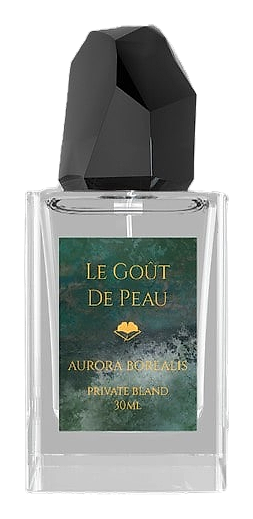
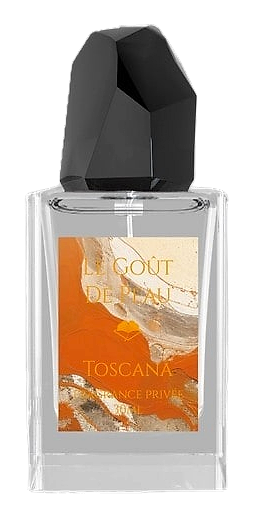
The brand emerged in 2021, a period when the global fragrance market was experiencing significant growth in niche and artistic perfumery. While detailed founding documentation remains limited in public sources, the brand has established itself through a consistent release schedule of two fragrances annually. The founding concept centered on translating places into scent experiences, with each release named after a specific geographic location rather than using abstract fragrance terminology. The earliest documented release was Kyoto in 2021, establishing the template for subsequent collections. By 2022, the brand had released both Aurora Borealis and Mont Kailash, demonstrating rapid expansion of its creative portfolio. The 2023 releases included Leigong Mountain, Hoh Xil, and Yubeng, with each fragrance referencing Chinese geographic or cultural locations. The brand's growth trajectory continued through 2024 and 2025 with releases including Dunhuang, Toscana, and Papermaking. According to documented sources, at least one fragrance in the collection (Yu Beng) was reportedly created by perfumer Renato Lopena Jr., suggesting collaboration with external talent rather than an entirely in-house creation model. The brand operates primarily through online distribution and specialty retailers, reaching international audiences despite its Chinese origins. Le Goût De Peau operates on a philosophy of scent as narrative, treating each fragrance as a chapter in an ongoing exploration of place and cultural memory. The brand rejects conventional gender-based fragrance classification, positioning its entire collection as gender-neutral by design rather than by exception. This approach reflects a broader philosophy that scent should speak to individual experience rather than predetermined demographic categories. The conceptual framework behind the brand name itself suggests an interest in the intimate relationship between fragrance and the body, viewing perfume not as decoration but as an extension of personal identity. The eastern cultural inspiration mentioned in brand materials informs both thematic choices and compositional approaches, with releases frequently referencing locations of spiritual or historical significance. The brand appears committed to challenging Western-centric conventions in perfumery by centering Chinese and Asian cultural narratives as primary sources of creative inspiration. Each fragrance functions as a sensory translation of a specific location, requiring the wearer to engage with the narrative alongside the scent experience. The approach suggests that fragrance appreciation should involve intellectual and emotional dimensions beyond mere aesthetic pleasure.