Kaempferia Galanga
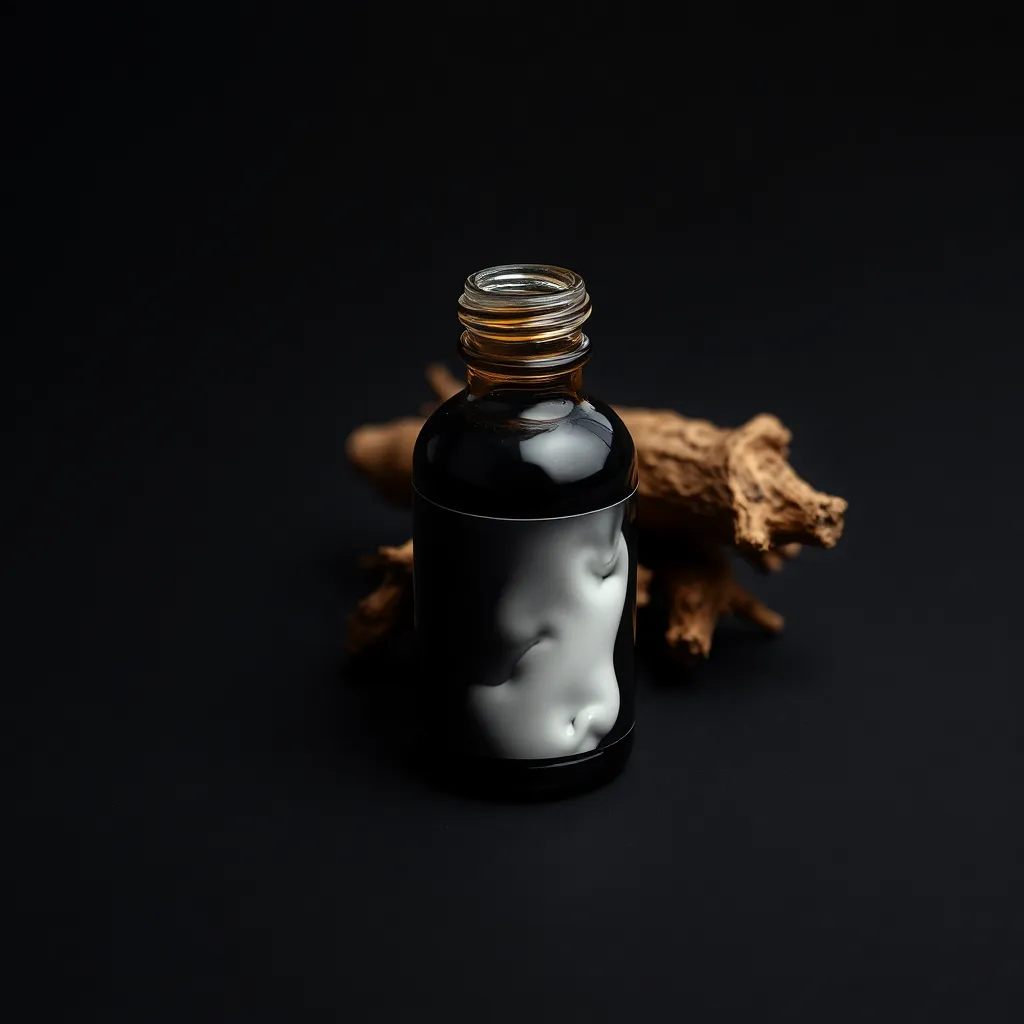
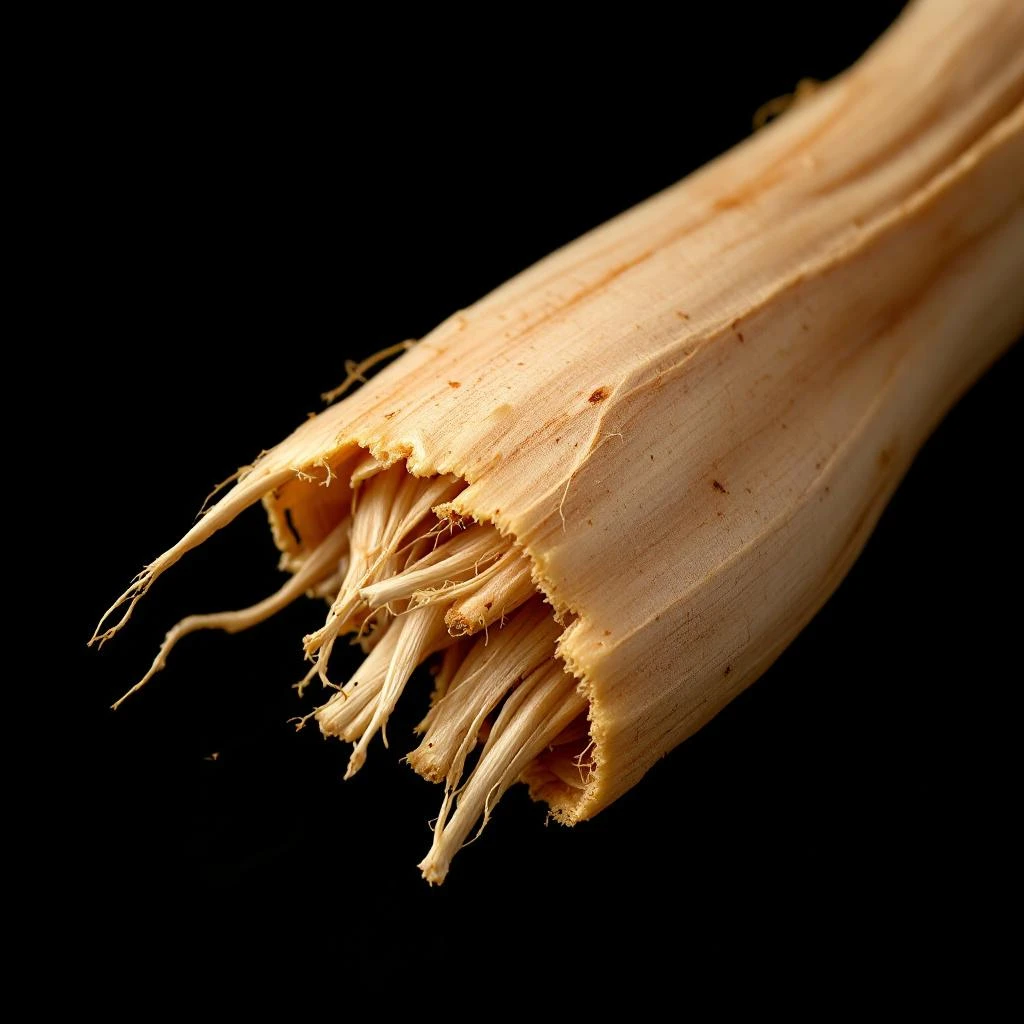
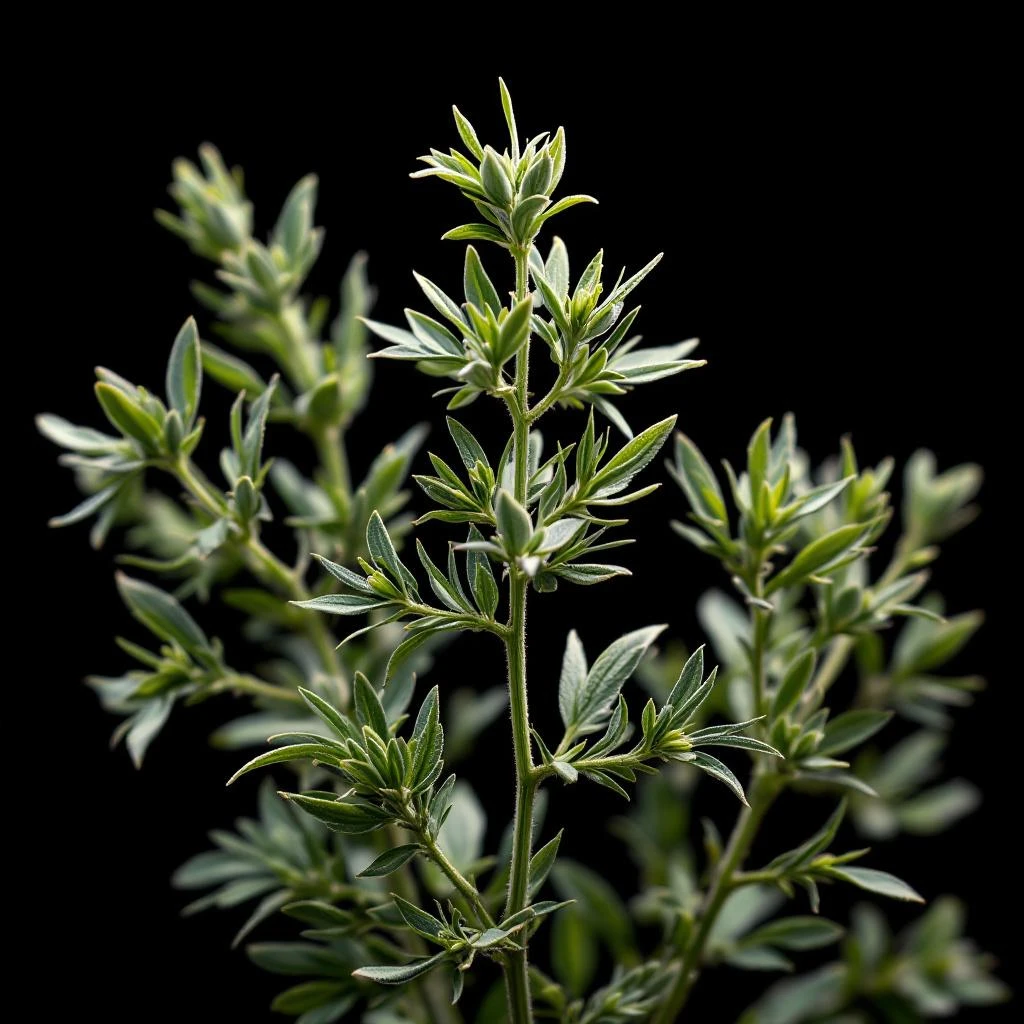
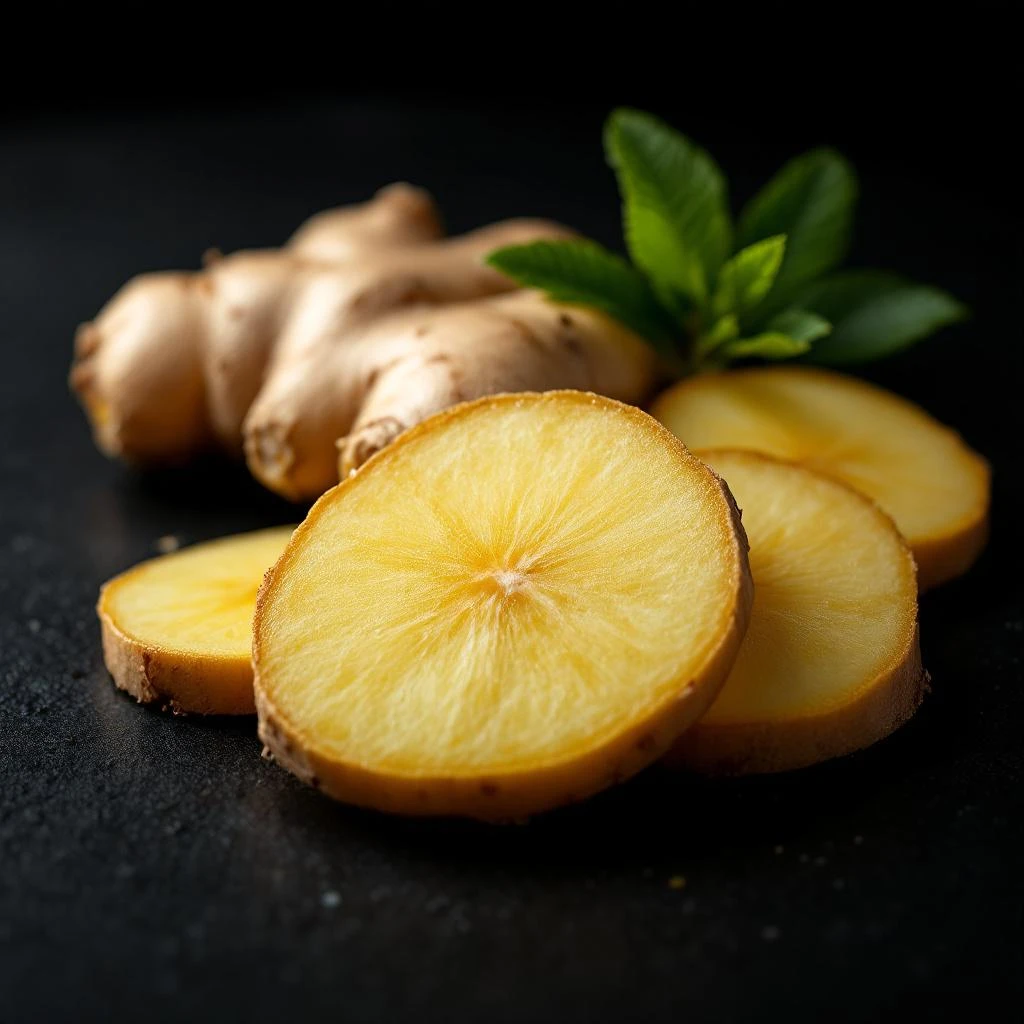
A rhizomatous member of the ginger family valued for its warm, camphoraceous aroma. The plant yields a precious essential oil with sweet-spicy undertones, used in perfumery across Asia for centuries.
Character
How it smells
The aromatic ginger revered across Asia.
Ancient Egyptians burned K. galanga rhizomes as a room fumigant to perfume and purify indoor air.

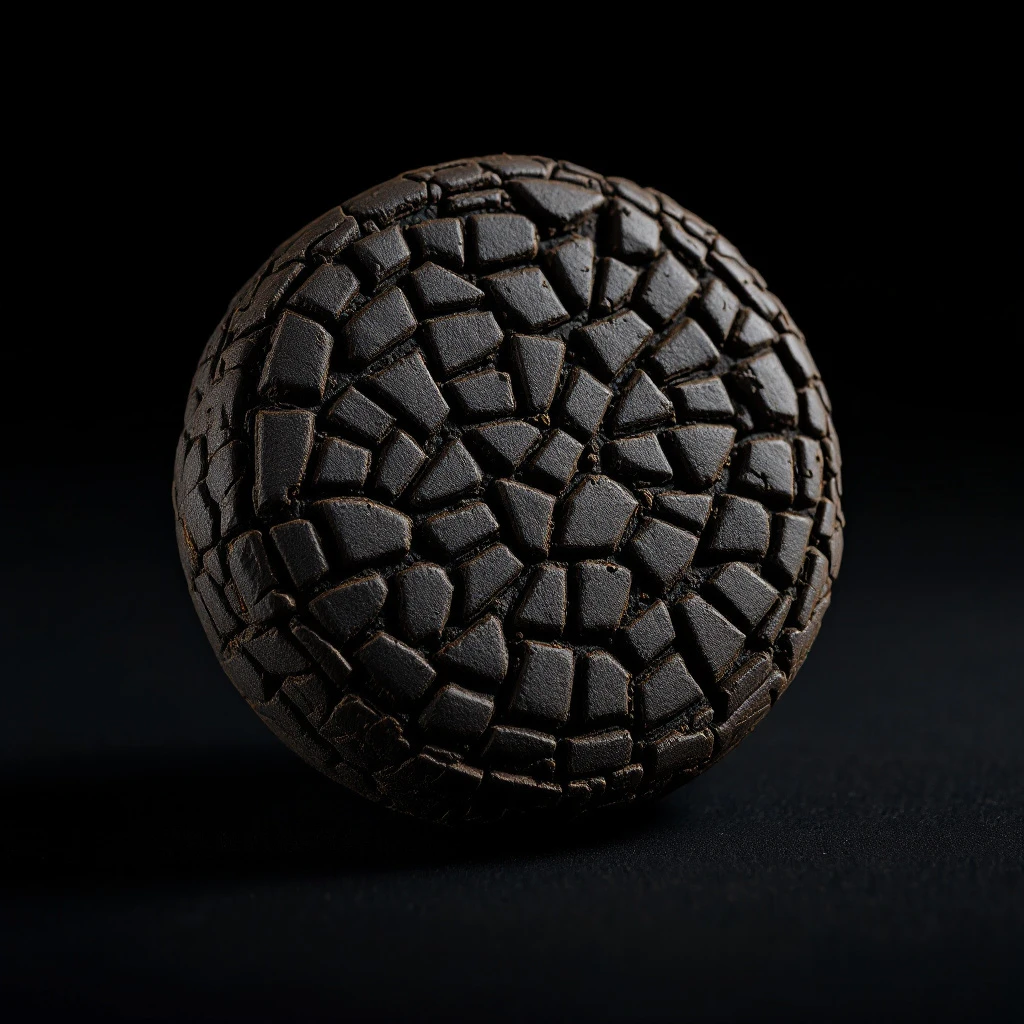

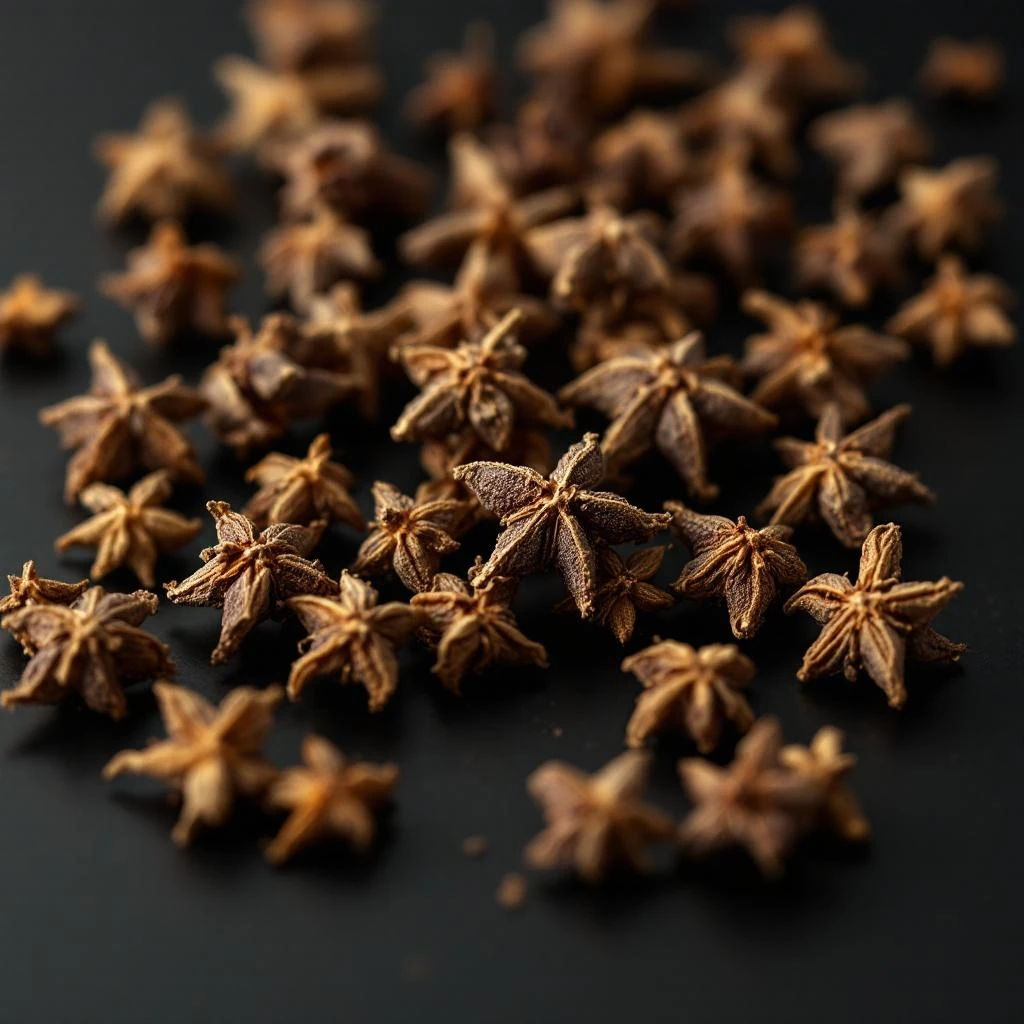

Origin
India
K. galanga has anchored Asian fragrance traditions for centuries before modern perfumery arrived. Kerala physicians in 17th century India incorporated it into Ayurvedic preparations and aromatic formulations.
Chinese cultivation predates the Ming Dynasty, and traditional practitioners burned the dried rhizome as incense and disinfectant. Ancient Egyptian texts describe burning the rhizome as a room fumigant, making K. galanga one of the earliest documented plants used specifically for air purification and scenting.
Southeast Asian cultures continue using the rhizome in religious ceremonies and traditional cosmetics, tracing unbroken practices back over five hundred years.
Wears it best
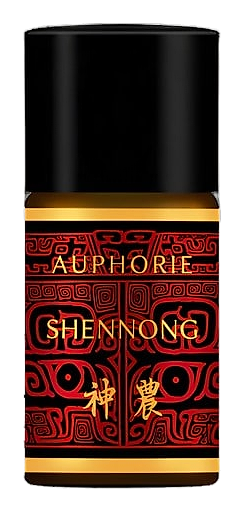
Fragrances featuring Kaempferia Galanga
Brands
Brands known for Kaempferia Galanga
Good to know
Questions, answered
The essentials on Kaempferia Galanga in perfumery: how it smells, where it comes from, and how it behaves on skin.
Is Kaempferia galanga oil natural or synthetic?
It is 100% natural, extracted via steam distillation from the plant rhizome. Replicating its complex ethyl cinnamate profile synthetically remains challenging, which is why perfumers prize the natural material.
What does Kaempferia galanga smell like?
The oil presents a warm, spicy-camphoraceous character with sweet undertones. Think ginger and cardamom crossed with a mild camphor edge. The overall impression is earthy, fresh, and subtly medicinal.
Which countries produce the best K. galanga for perfumery?
China dominates commercial production, particularly Guangxi and Guangdong provinces. Indonesia and India also cultivate it, but Chinese suppliers offer the most consistent quality for fragrance applications.
How does K. galanga differ from culinary galangal?
The culinary galangal in Thai and Indonesian kitchens comes from Alpinia species. K. galanga specifically refers to the Zingiberaceae plant used primarily in perfumery and traditional medicine, with a softer, more camphor-forward aroma.
What fragrance families use K. galanga?
It appears most often in oriental and woody fragrances as a base-note contributor. Niche perfumers also use it sparingly in fresh, green compositions where its spicy-camphor quality adds unexpected warmth.
Does K. galanga have any safety concerns in perfumery?
IFRA guidelines set limits for K. galanga oil due to its eugenol and camphor content. Professional formulators observe these restrictions. The oil is not used in consumer skincare at fragrance concentrations.
How should I store K. galanga essential oil?
Keep it in a tightly sealed amber glass bottle away from heat and light. Properly stored, the oil retains potency for 2-3 years. Oxidation degrades its aromatic esters quickly.
Can K. galanga be adulterated in the supply chain?
Yes, less reputable suppliers sometimes stretch it with synthetic ethyl cinnamate or dilute it with carrier oils. Gas chromatography analysis confirms the natural concentration of ethyl p-methoxycinnamate, which reputable suppliers provide with each batch.