Wine must
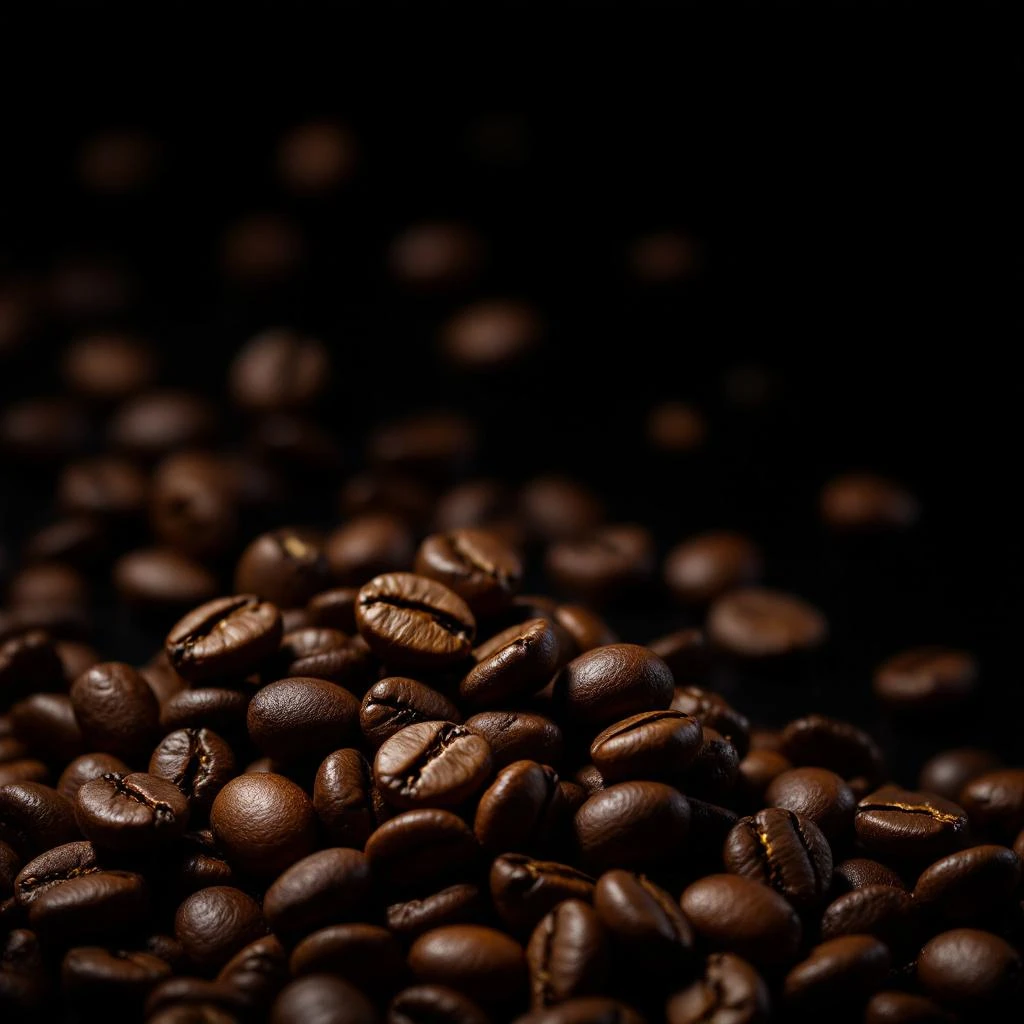
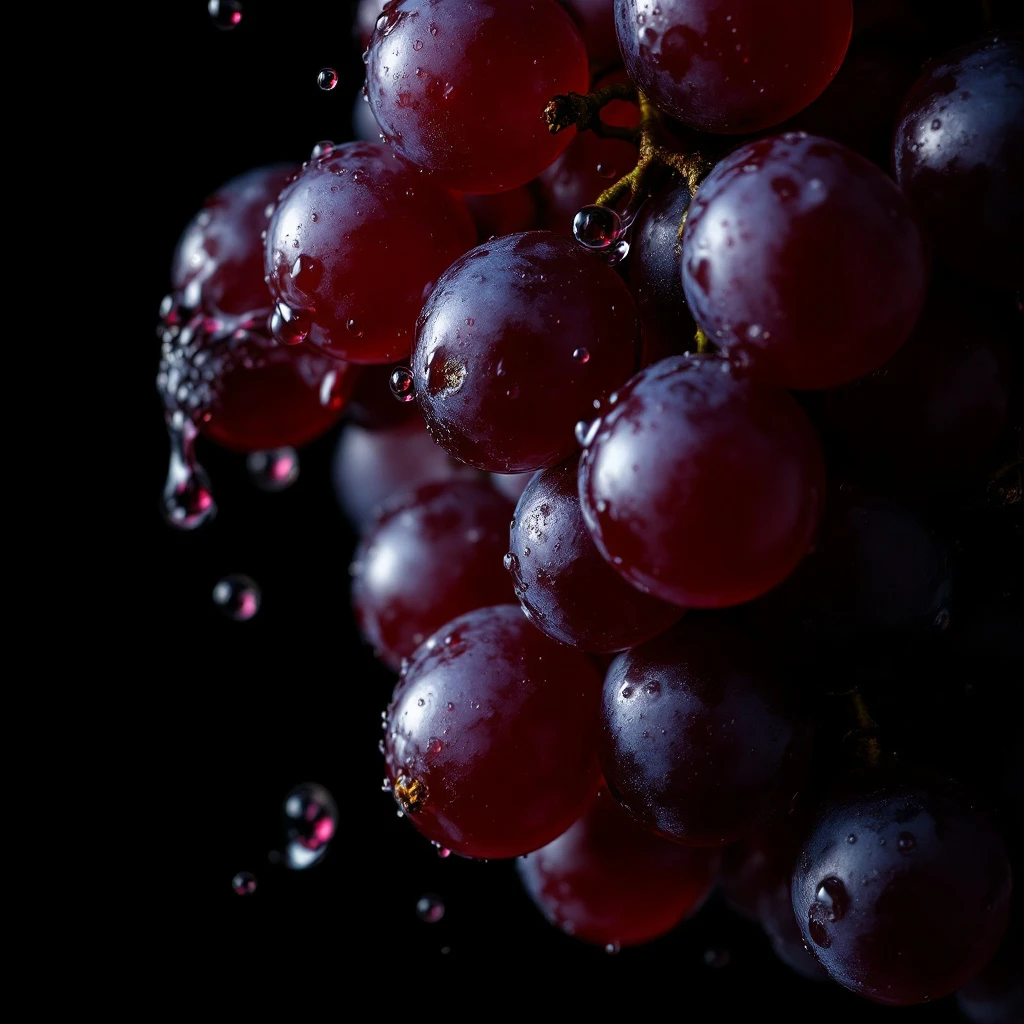
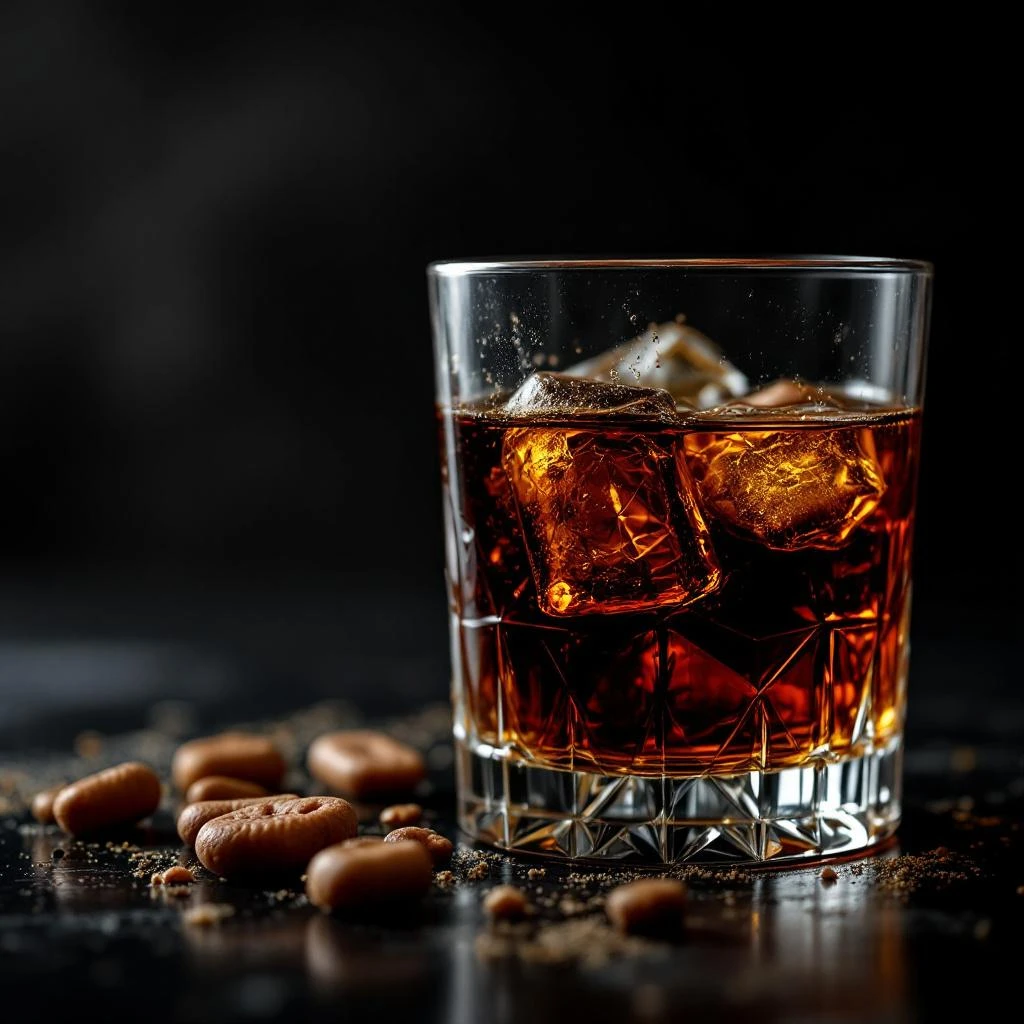
Wine must, the freshly pressed juice of grapes still fermenting into wine, carries a raw, yeasty sweetness that perfumers prize for its intoxicating depth. This byproduct of winemaking bridges the cellar and the scent lab.
Character
How it smells
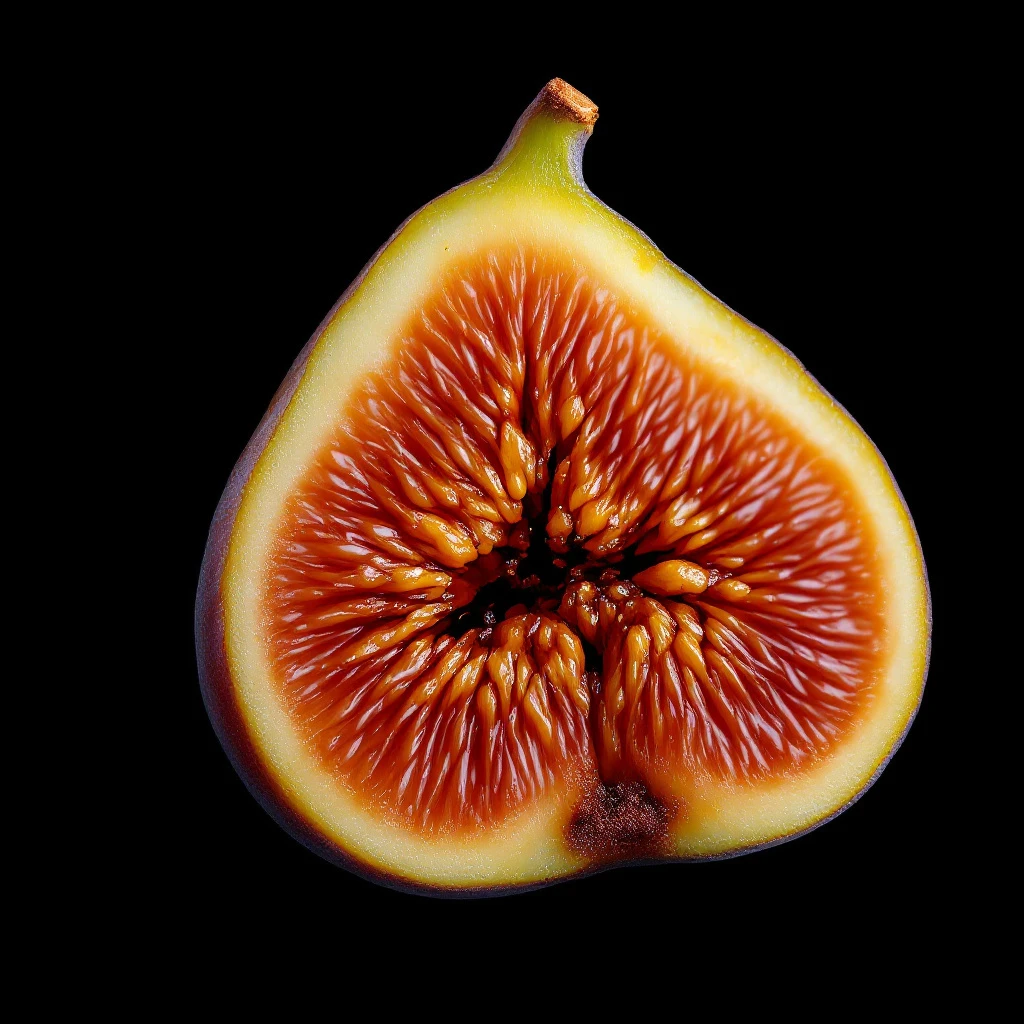
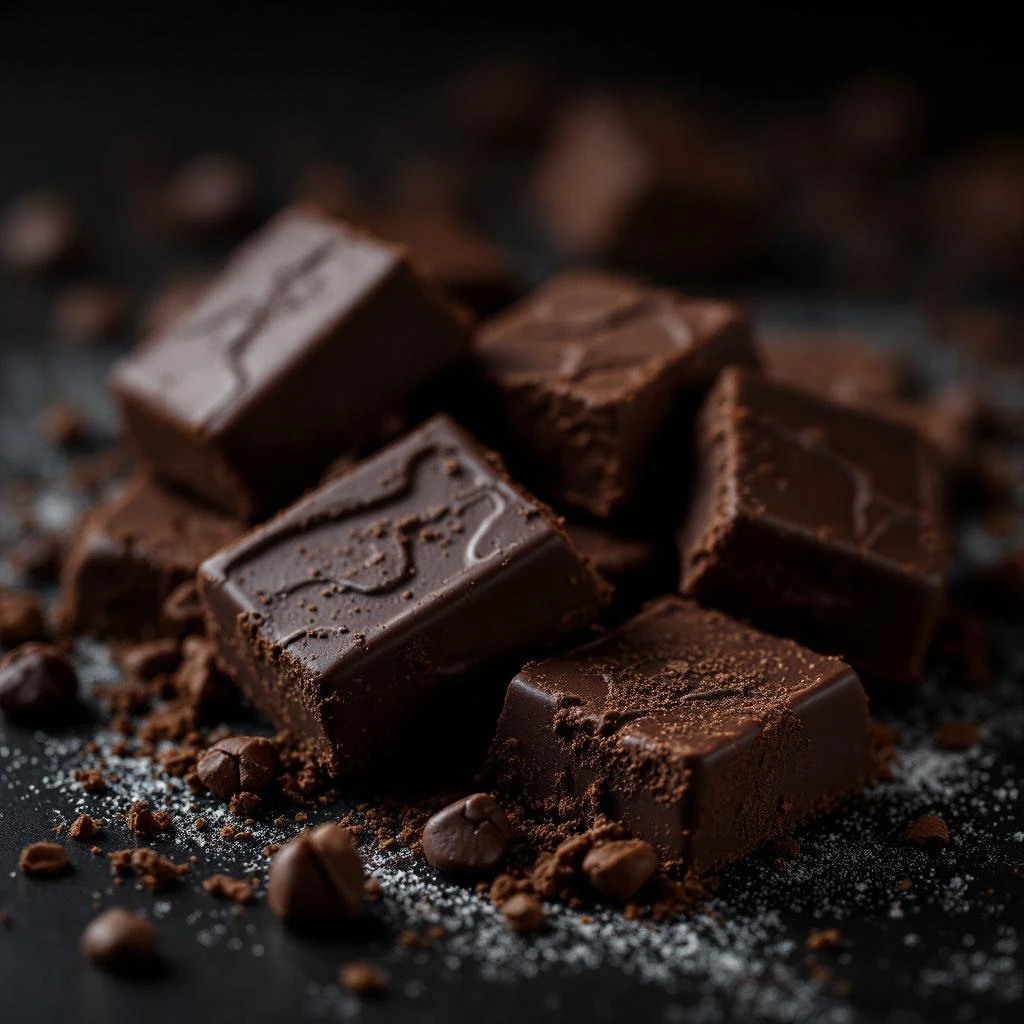
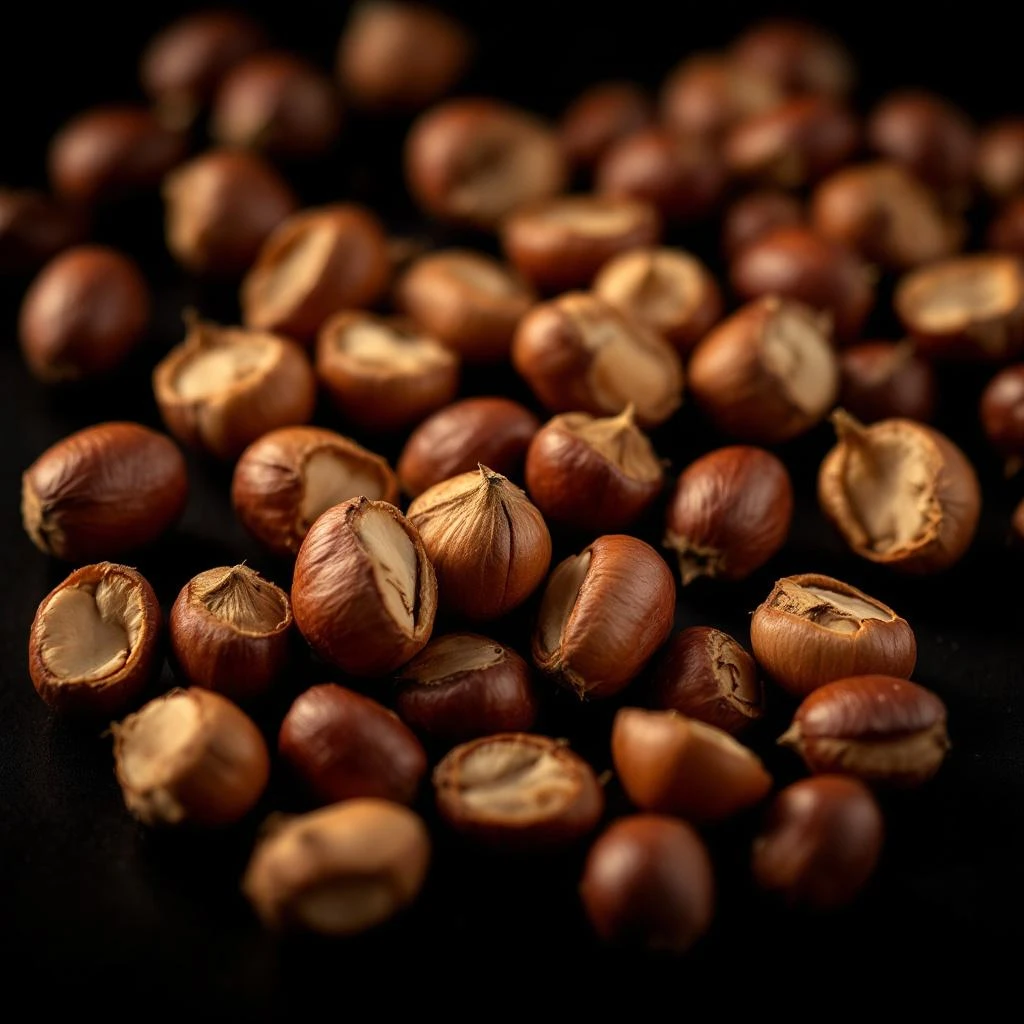
Fermenting grapes, bottled into scent.
Wine must aroma is so distinctive that researchers in 2015 used electronic nose technology to distinguish wine grape varieties based on must volatile compounds alone.
Origin
France
The aromatic potential of wine must entered perfumery in the 19th century, when French distillers in Cognac discovered that hydrodistilling the sediment from wine production yielded a rich, complex oil. This byproduct became known as cognac essential oil, or lie de vin, and quickly caught the attention of early modern perfumers building accords around liquor and gourmand themes. By the early 20th century, perfumers in Grasse incorporated wine-derived notes into compositions that sought to capture the warmth of cellar-aged spirits.
The ingredient connects to a much older tradition though: ancient Mesopotamians and Egyptians used macerated wine and fermented grape residues in ritual unguents thousands of years ago, though extraction methods were crude. Today's refined must notes owe their consistency to controlled distillation techniques developed alongside the modern fragrance industry.
Wears it best
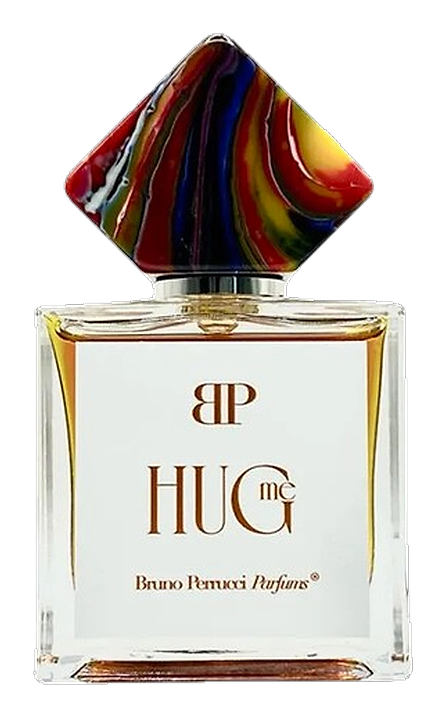
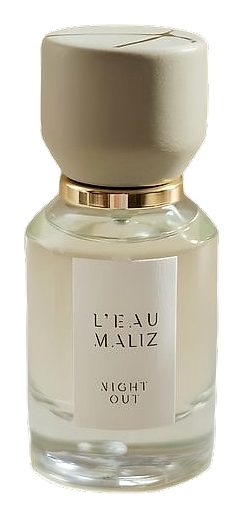
Fragrances featuring Wine must
Brands
Brands known for Wine must
Good to know
Questions, answered
The essentials on Wine must in perfumery: how it smells, where it comes from, and how it behaves on skin.
What does wine must smell like in perfume?
Wine must gives perfumes a raw, yeasty sweetness with fruity and slightly sour edges. It carries the warmth of fermenting grapes and hints of cellar-aged alcohol, adding depth without sharp booziness.
Is wine must the same as cognac essential oil?
Yes, in commercial perfumery wine must typically refers to cognac essential oil, the hydrodistillate of wine lees from the Charente region. The terms are used interchangeably when describing this specific olfactory material.
How is wine must extracted for fragrance use?
Producers extract wine must through hydrodistillation of fermented grape lees. Steam passes through the sediment, carrying volatile compounds upward where they condense into a concentrated, complex essential oil.
Which perfumes feature wine must notes?
Wine must appears in several niche and classic compositions built around liquor or gourmand themes. It typically supports base notes alongside woods, ambers, or fruity accords rather than dominating a scent.
Why do perfumers use wine must instead of actual wine?
Actual wine contains mostly water and dilute alcohol, making extraction inefficient. Hydrodistilling the lees concentrates the aromatic esters and acids into a potent oil that holds up in fragrance compositions far longer.
Can wine must be synthesized in a lab?
Yes. Modern perfumers often build must accords using synthetic ethyl esters, isoamyl acetate, and other fermentative aroma chemicals. These recreate the effect affordably and consistently without depending on wine industry byproducts.
Is wine must a natural or synthetic fragrance ingredient?
Wine must is available in both natural and synthetic forms. Natural cognac oil comes from hydrodistilled lees, while synthetic alternatives replicate the same fermentation character using isolated aroma compounds.
What fragrance families use wine must?
Wine must shows up most often in gourmand, oriental, and boozy-leaning fragrances. It also appears in chypre bases and certain fougère compositions where fermentative depth complements herbal or earthy elements.