Candied Orange
Candied Orange brings a warm, sweet citrus character to perfumery. It captures the syrupy, sun-dried sweetness of preserved orange peel. This note adds brightness and warmth to fragrance compositions, creating an inviting, approachable citrus that balances tartness with confectionery sweetness.
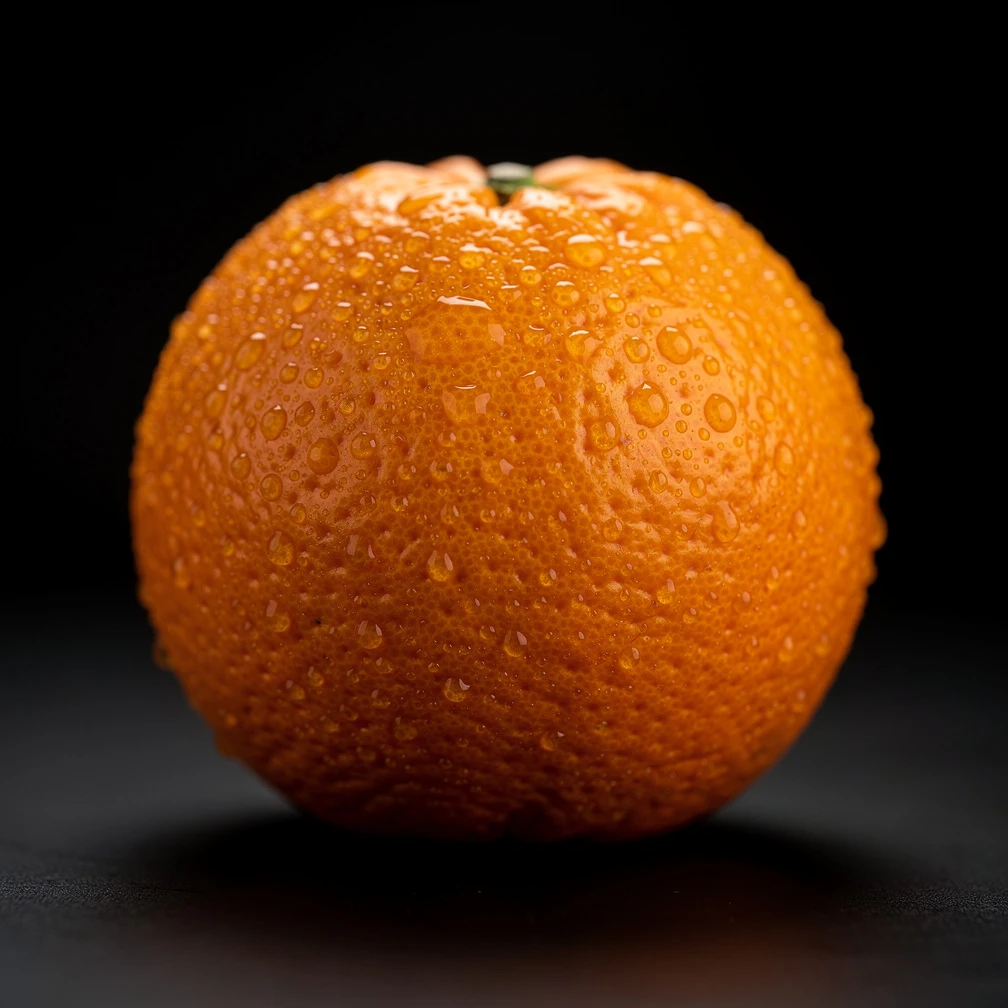
Character
How it smells
Warm, sweet citrus that captures the essence of preserved orange peel
Oranges used for juice production yield orange oil as a byproduct, making candied orange notes widely available in perfumery from the same fruit.







Origin
USA
The candied orange connects two ancient traditions: the preservation of citrus and the art of perfumery. Mediterranean and Middle Eastern cultures developed candied orange peel centuries ago, preserving oranges in honey and sugar syrups. These sweets traveled along trade routes, reaching European courts by the Renaissance. French and Italian confectioners refined the technique, and orange peel became a prized ingredient in both cuisine and pharmacy.
When perfumers began working with citrus, they naturally sought to capture that candied sweetness. The 16th century brought the first distillation of orange blossom water in Europe, creating neroli oil. This marked the beginning of orange as a perfumery material beyond the fresh peel. The candied orange note evolved alongside confectionery traditions, drawing from the same visual and aromatic inspiration of fruits suspended in sugar syrup.
The late 19th century unlocked new possibilities as organic chemists isolated aldehydes and esters responsible for orange's scent. Modern perfumery combines traditional sweet orange oil with contemporary aroma chemicals to create the candied note. The result evokes sun-dried orange peel glistening with syrup, warm from the kitchen, its bright citrus tempered by preserved sweetness and a whisper of bitter pith.
Wears it best
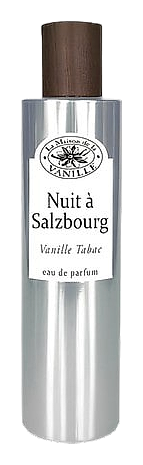
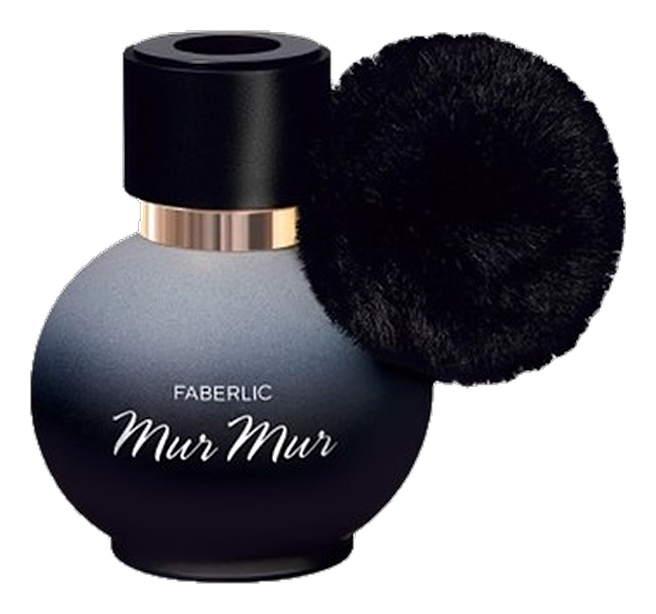
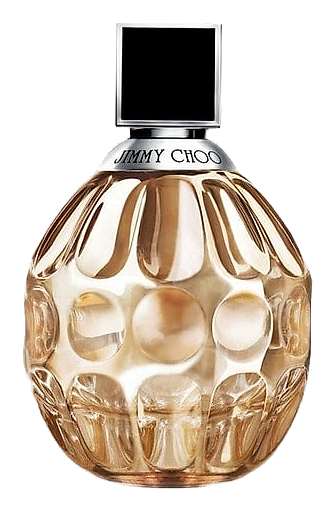
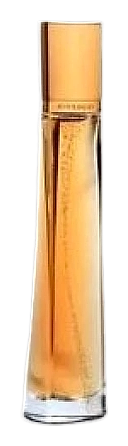
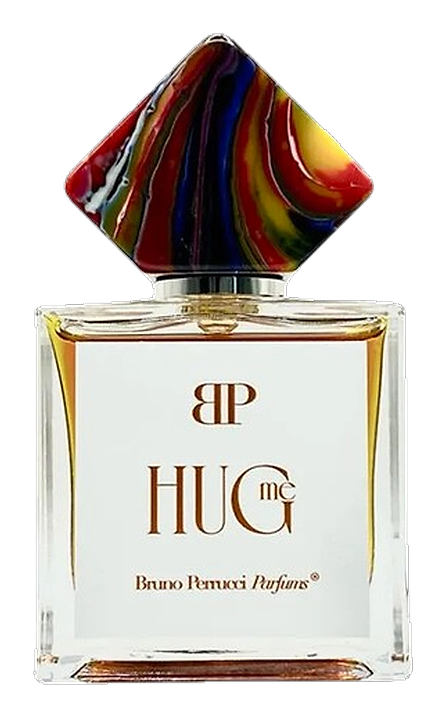
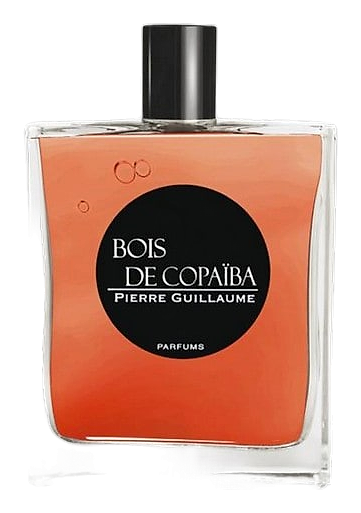
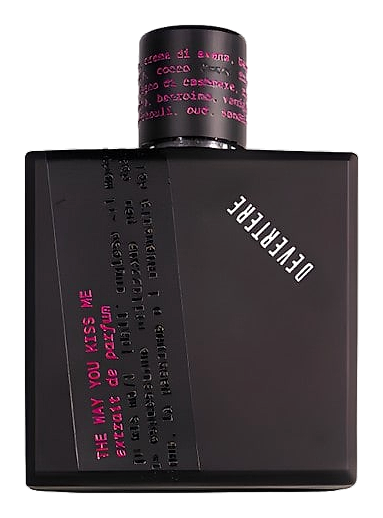
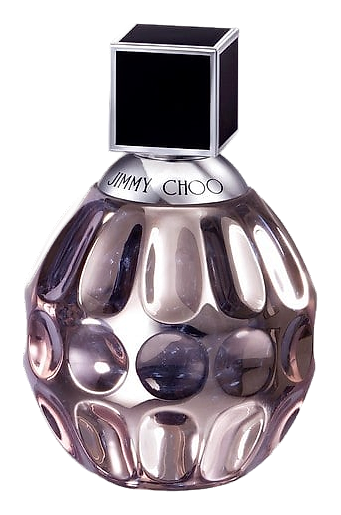
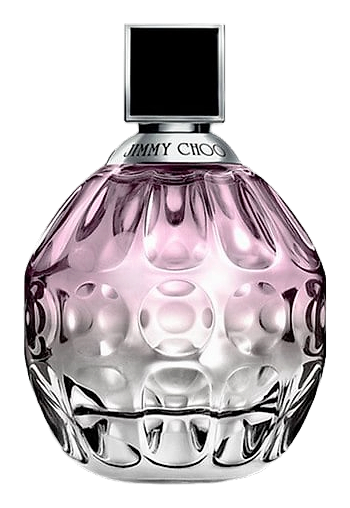
Fragrances featuring Candied Orange


Brands
Brands known for Candied Orange
Good to know
Questions, answered
The essentials on Candied Orange in perfumery: how it smells, where it comes from, and how it behaves on skin.
What does Candied Orange smell like in perfume?
Candied Orange smells like orange peel preserved in sugar syrup, with bright citrus notes softened by warm, caramelized sweetness. It balances zesty orange top notes with a subtle bitter edge from the peel and a lingering sugary warmth that makes fragrances feel inviting and approachable.
Why is Candied Orange used in perfumery?
Candied Orange adds warmth and sweetness to fragrances without the fleeting nature of fresh citrus. It creates an inviting, gourmand quality that bridges fruit and confectionery notes. Perfumers use it to brighten compositions while adding depth, making scents feel cozy and accessible across fragrance families.
Is Candied Orange in perfume natural or synthetic?
Candied Orange in perfume is typically a blend of natural and synthetic materials. Natural sweet orange oil provides authentic citrus character, while aroma chemicals enhance the sugary, candied quality. Some candied orange notes rely entirely on naturals, but most modern interpretations combine both approaches for consistency and depth.
What famous perfumes contain Candied Orange?
Candied Orange appears in numerous fragrances across multiple brands and fragrance families. This versatile note commonly appears in oriental fragrances, amber compositions, and gourmand fragrances. It also features in many seasonal and holiday releases where warm, sweet citrus suits the theme.
Is Candied Orange a top note, heart note, or base note?
Candied Orange functions primarily as a top to heart note in perfumery. Its bright citrus character shines immediately upon application, making it one of the first perceived elements. The sweeter, warmer qualities develop as the fragrance dries down, but the note remains most prominent in the opening phases.
What notes pair well with Candied Orange in perfume?
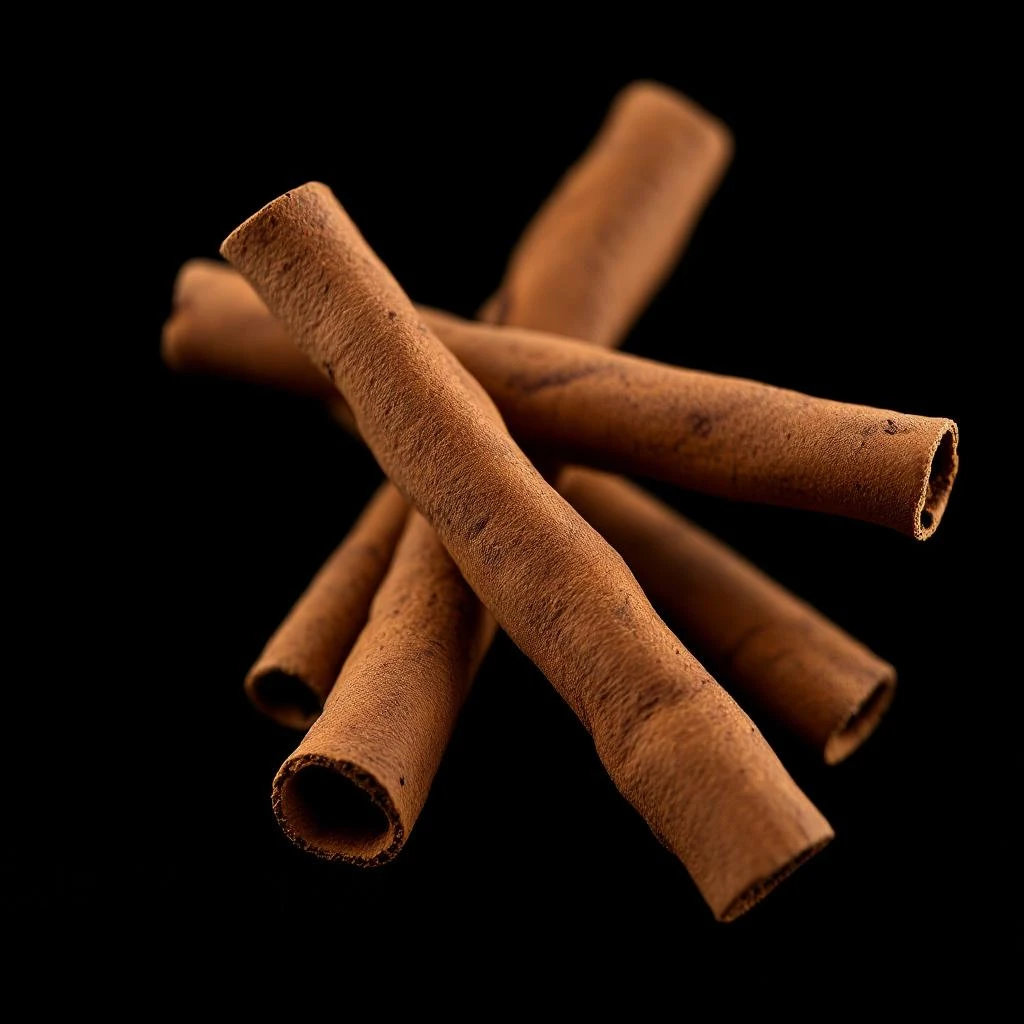
Candied Orange pairs well with warm spices like cinnamon and clove, which enhance its cozy character. Vanilla and benzoin amplify the sweet, sugary qualities. Woods and musks provide grounding contrast, while florals like orange blossom create cohesive citrus bouquets.
How is Candied Orange extracted?
Candied Orange in perfumery comes from sweet orange oil, extracted via cold expression or steam distillation of Citrus sinensis peels. Cold expression mechanically presses oils from the zest without heat. Steam distillation applies heat to extract aromatic compounds. The candied quality itself often combines natural oil with aroma chemicals to achieve the characteristic sweet, syrupy effect.
Is Candied Orange used in men's or women's fragrances?
Candied Orange appears across genders in perfumery. The note frequently appears in feminine florals and oriental fragrances, masculine colognes and chypres, and unisex compositions. Its versatility makes it neither exclusively masculine nor feminine, with usage determined by the overall fragrance concept rather than gender categories.