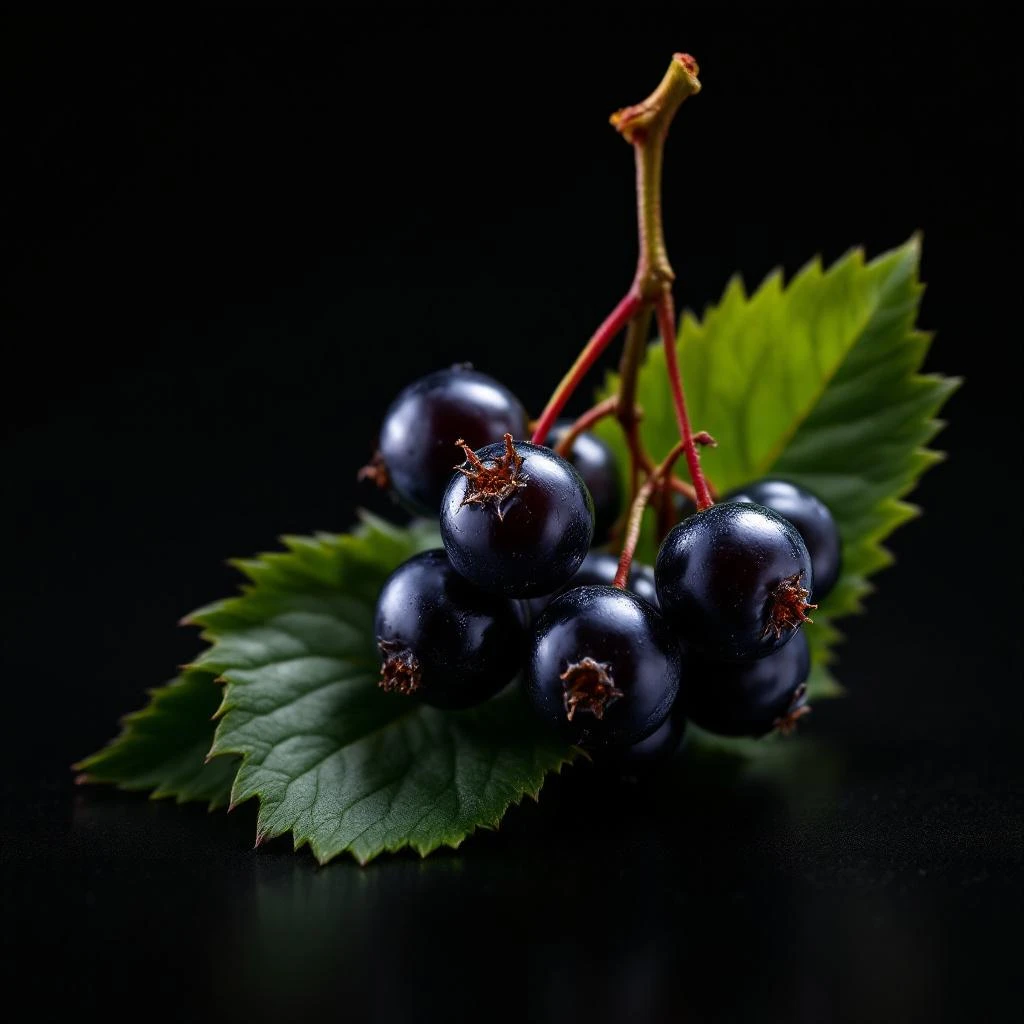
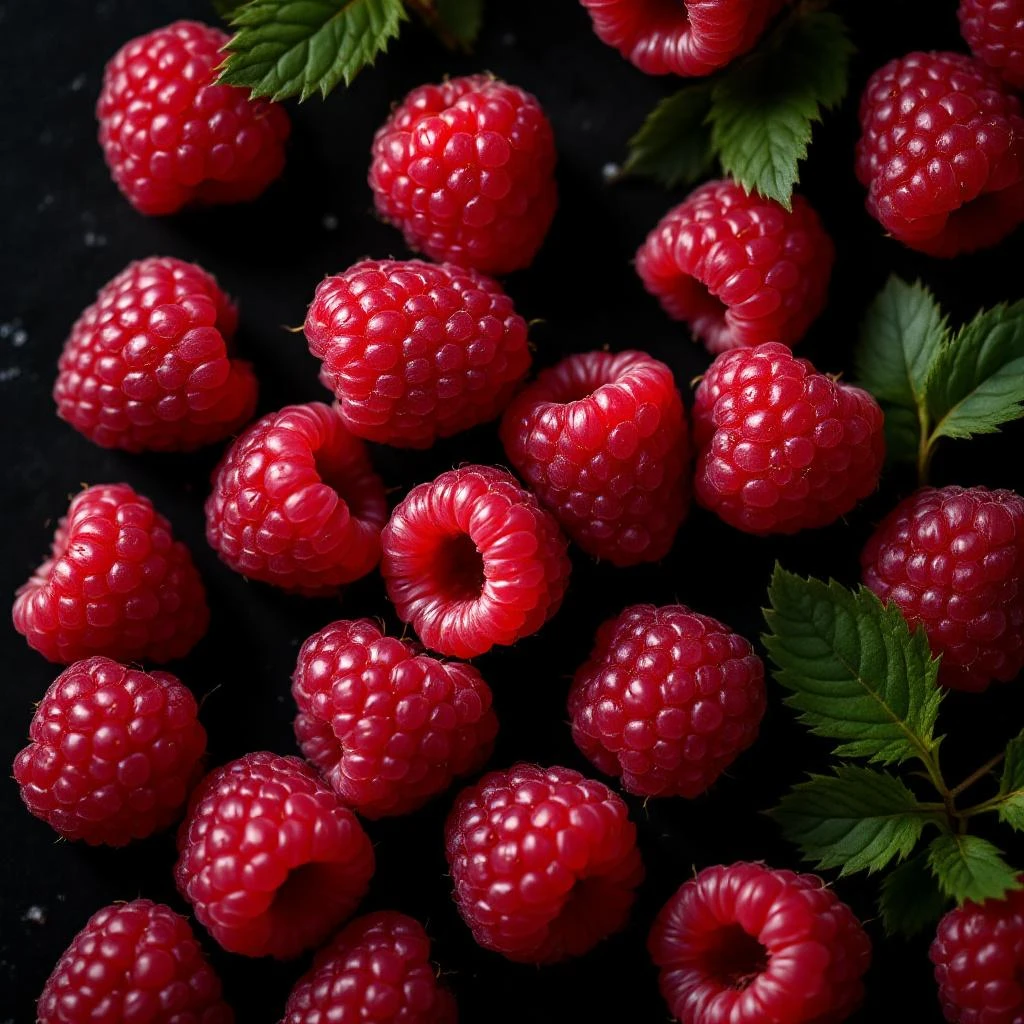
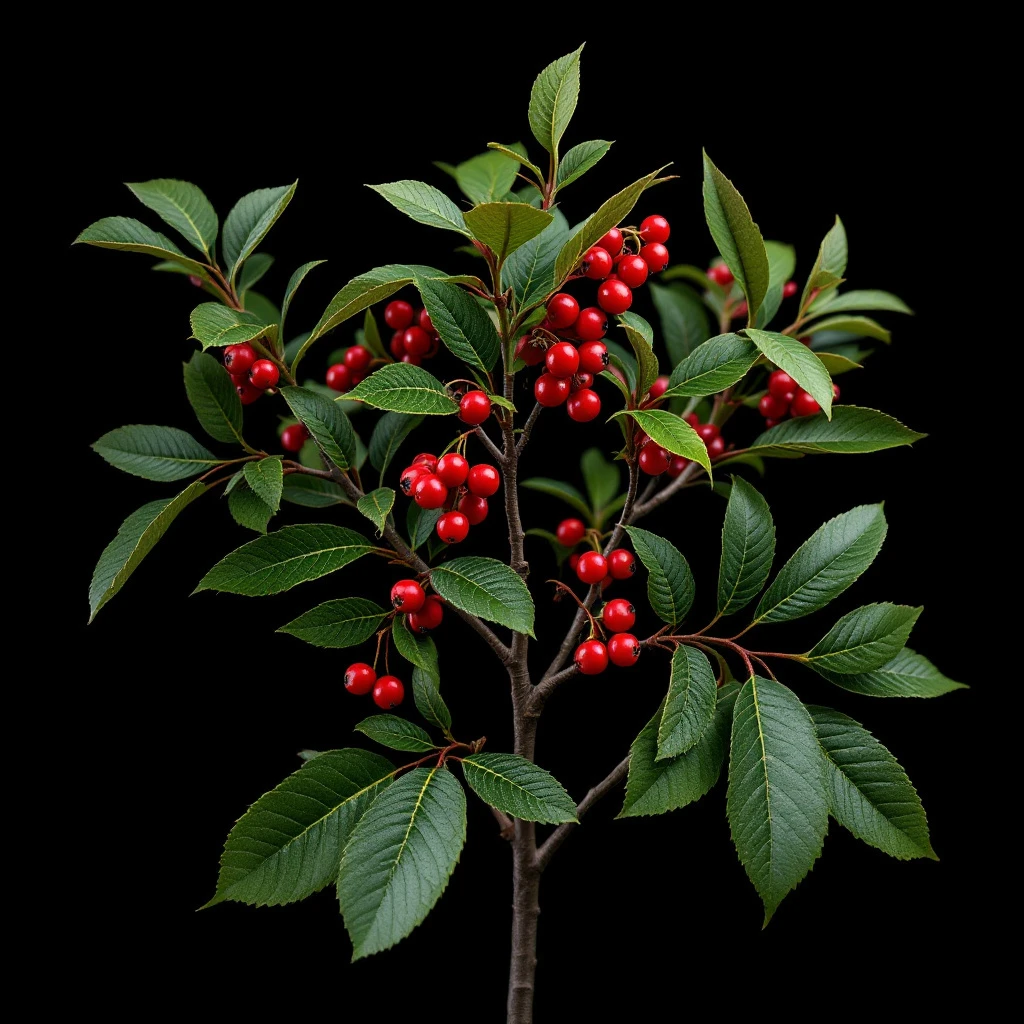
Arbutus Madrona Bearberry Tree
The Pacific madrone stands out with peeling copper-red bark and glossy evergreen leaves. In perfumery, its aromatic profile offers a warm, sweet, resinous character that bridges woody and balsamic fragrance families.
Character
How it smells
Warm, sweet wood from the Pacific coast.
Pacific madrone bark peels annually, revealing smooth copper-toned surfaces beneath the outer layer of deep red.





Origin
Canada
Arbutus menziesii carries its common name, madrone, from the Spanish madrono, a term also used for the strawberry tree. Father Juan Crespi first applied the name during a 1769 Spanish expedition along the California coast, noting the tree's resemblance to the European strawberry tree. Scottish physician and naturalist Archibald Menzies identified the species during Captain George Vancouver's 1792 voyage along the Pacific coast, and it was formally classified in his honor.
Early Spanish settlers called the tree Madroño, translating to strawberry tree, a reference to the appearance of its bark and foliage rather than its fruit. The tree holds cultural significance for Indigenous peoples of the Pacific Northwest, who used its bark and berries for medicinal and practical purposes.
Wears it best
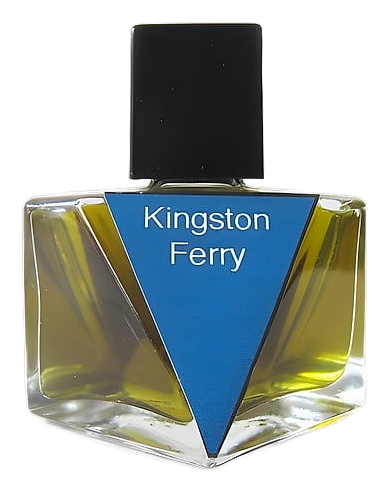
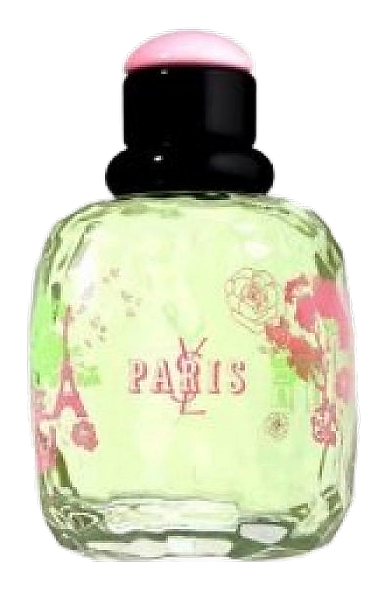
Fragrances featuring Arbutus Madrona Bearberry Tree
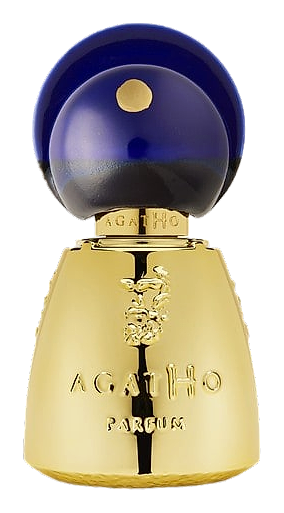
Brands
Brands known for Arbutus Madrona Bearberry Tree
Good to know
Questions, answered
The essentials on Arbutus Madrona Bearberry Tree in perfumery: how it smells, where it comes from, and how it behaves on skin.
What does arbutus smell like in fragrance?
Arbutus in perfumery offers a warm, sweet, and slightly resinous scent profile. It carries woody depth with balsamic undertones, often described as resembling a blend of honeyed wood and subtle resin.
Is arbutus a natural ingredient in perfumery?
Arbutus is primarily replicated using synthetic aromatic compounds in most commercial fragrances. The warm, sweet, and woody character is matched through nature-identical aroma chemistry rather than distillation of the actual tree.
Where does the Pacific madrone grow?
Arbutus menziesii grows along the Pacific coast from southern British Columbia through Washington, Oregon, and into California. It thrives in drier forest zones and rocky slopes throughout this range.
How is arbutus used in fragrance families?
Arbutus performs well in woody, oriental, and chypre fragrance structures. Its warm, sweet character bridges woody and balsamic families, making it useful in blends that seek depth without heaviness.
What gives arbutus its aromatic character?
The aromatic profile comes primarily from compounds in the bark, which deliver warm, sweet, and slightly resinous qualities. These characteristics inform the synthetic and nature-identical materials used to represent arbutus in fragrance.
Does Pacific madrone face conservation concerns?
Arbutus menziesii is not globally endangered, but localized threats from urban development, fire, and disease affect populations in parts of its range. Sustainable harvesting practices apply to any commercial use of the species.
What notes pair well with arbutus in fragrance?
Labdanum, vanilla, sandalwood, and cedar pair naturally with arbutus. The combination enhances its warm and sweet qualities while adding complementary woody or resinous depth to the composition.
When was arbutus first used in perfumery?
Precise historical records for arbutus as a named ingredient are limited. Its use in perfumery appears largely within 20th-century woody and oriental fragrance development, where warm, sweet, and resinous notes gained prominence.