The Story
Why it exists.
The beginning
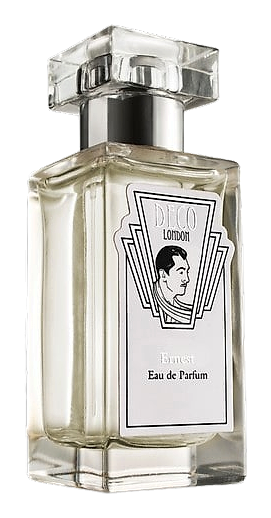
Ernest is Deco London's portrait of a 1924 gentleman of means, highly accomplished in business and sport, with a taste for exploration and a wardrobe of relaxed trousers, shirts, and brogues. The brand, founded in 2015, frames each of its six debut fragrances as a named character from the interwar years rather than a product category, and Ernest arrived as the adventurer of that set. The composition was developed through the brand's collaboration with Robertet, the French fragrance house based in Grasse, bringing established raw material expertise to a brief built around understated sophistication and exotic horizons.
What makes Ernest interesting on paper is the tension between its clean aromatic spine and its warmer base. Lavender, geranium, tarragon, and jasmine form a heart that reads almost like a classic cologne backbone, but the base pulls it somewhere else entirely with amber, leather, sandalwood, and vanilla. That pairing, herbal cologne architecture against a soft oriental floor, was a deliberate move to capture a man equally at home in a London club and somewhere further east on a map. The cedar leaves in the top add a dry, slightly resinous lift that bridges both halves.
The evolution
The first twenty minutes are a study in controlled brightness. Bergamot, orange, lemon, and cedar leaves arrive together, the citrus pulling forward first while the cedar sits underneath giving everything a clean, sappy edge. The cologne feel is strong here, and it smells like a freshly pressed shirt. By the thirty-minute mark the lavender and tarragon step in. The lavender brings that familiar aromatic softness, but tarragon keeps it sharp, almost green, stopping it from sliding into powdery territory. Jasmine and geranium arrive quietly, more texture than statement. The real change happens around the two-hour mark when the base finally commits. Amber and vanilla warm the whole composition, leather gives it structure, and sandalwood rounds the edges. What started as a crisp citrus cologne ends as something closer to soft leather and warm wood, the kind of scent that clings to a scarf on a cold day. It runs four to six hours on skin with moderate sillage, close enough to feel personal, present enough to register across a table.
Cultural impact
Ernest reflects the revival of classic cologne as a character-led fragrance concept. Deco London's 2015 debut used names inspired by figures from the 1920s and 1930s, linking the release to nostalgia, narrative, and the cultural memory of vintage men's style. Its bergamot, lemon, and orange opening recalls traditional citrus grooming traditions, while cedar, leather, amber, and vanilla introduce a warmer, more contemporary finish. The combination of heritage references and accessible aromatic structure helped position Ernest as a bridge between classic fragrance culture and modern everyday wear.