The Story
Why it exists.
The beginning
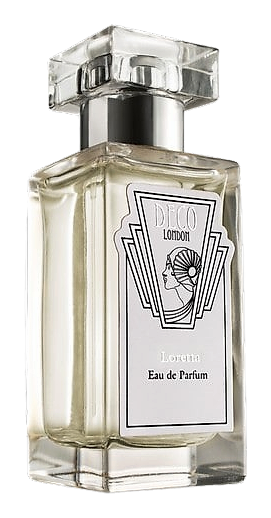
The year is 1921, according to Deco London's framing of the characters who anchor their range. Loretta is the romantic bohemian, drawn to literature, draped in silk georgette and crepe, wandering a London with one foot still in the gaslight and the other stepping toward something louder. Every scent in the line was composed through a collaboration with Robertet, lending established raw material expertise to the project. Loretta carries the weight of a literary woman who has already chosen her corner booth at the Cafe Royal, and she's already wearing the right perfume for it. There's a studied ease to the way the fragrance sits on skin, the kind of composure that reads as inherited rather than performed.
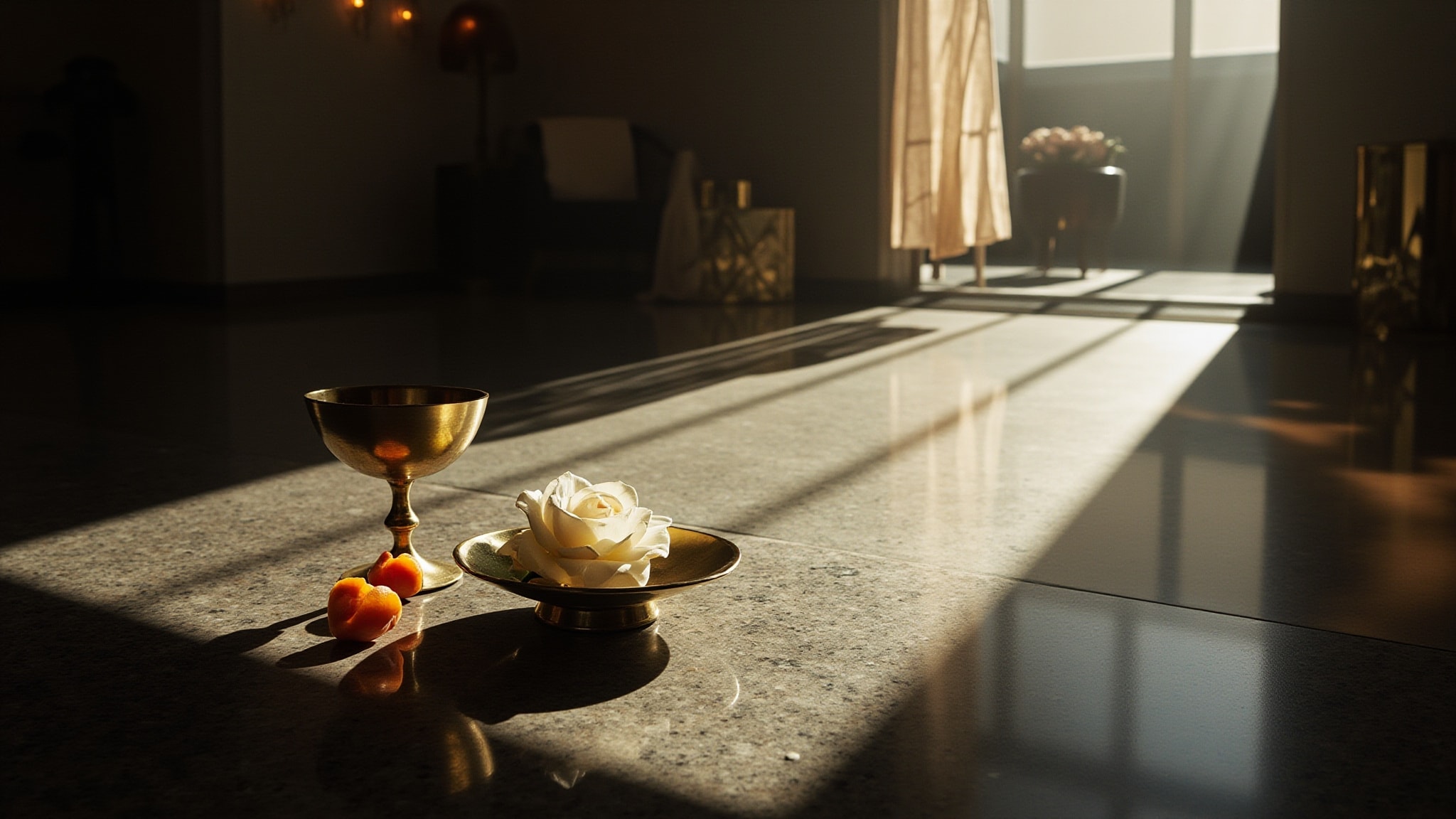
What makes Loretta worth sniffing is the osmanthus, which gives the composition its pull in a direction few white florals attempt. The orange blossom pushes bright and sweet at the top, the kind of petal-soft radiance that could easily tip into something one-dimensional if left alone. The osmanthus, with its dried-fruit sweetness and that almost leathery undertone, shifts the whole thing sideways, anchoring the white flowers in something warmer, more grown-up. Patchouli does the structural work in the heart, giving the jasmine and rose room to be generous without becoming syrupy.
The evolution
The opening belongs to the orange blossom and osmanthus, a bright sun-warmed sweetness that feels almost edible. Then the heart arrives, and the composition deepens in a way that catches you off guard. Jasmine and rose don't shout, they murmur, and the patchouli arrives right alongside them, turning what could have been a simple pretty floral into something with real ground under its feet. The drydown is where Loretta settles into its true register, moss and amber blending with a vanilla that stays dry and a vetiver that keeps everything from getting too sweet. What lingers later in the day is the musk-moss-amber skeleton, powdery and slightly damp, like textile that's held onto the warmth of skin and the coolness of evening air.
Cultural impact
At least one Parfumo reviewer draws a parallel between Loretta and 1826 by Histoires de Parfums, noting how both compositions rest delicate florals on a patchouli base that lets the petals breathe. That same reviewer found Loretta the more restrained of the two, a quieter take on the same structural idea. A Fragrantica commenter separately noted a kinship with Osmanthe Yunnan, pointing to the shared territory of soft, osmanthus-driven florals. Loretta sits within a broader tradition of florals that prize restraint over projection, compositions that aim to be worn rather than announced.