The Story
Why it exists.
The beginning
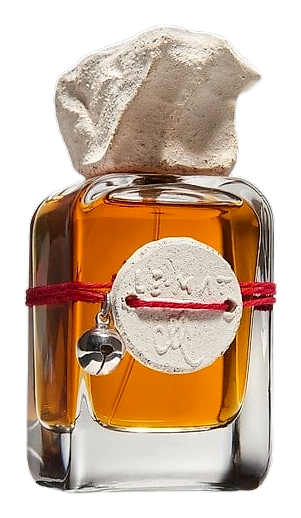
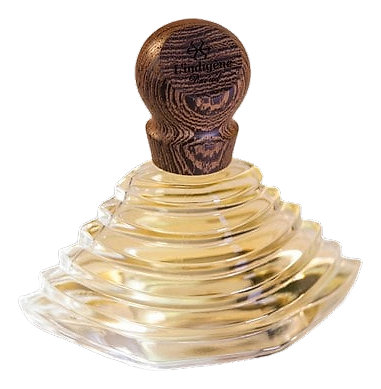
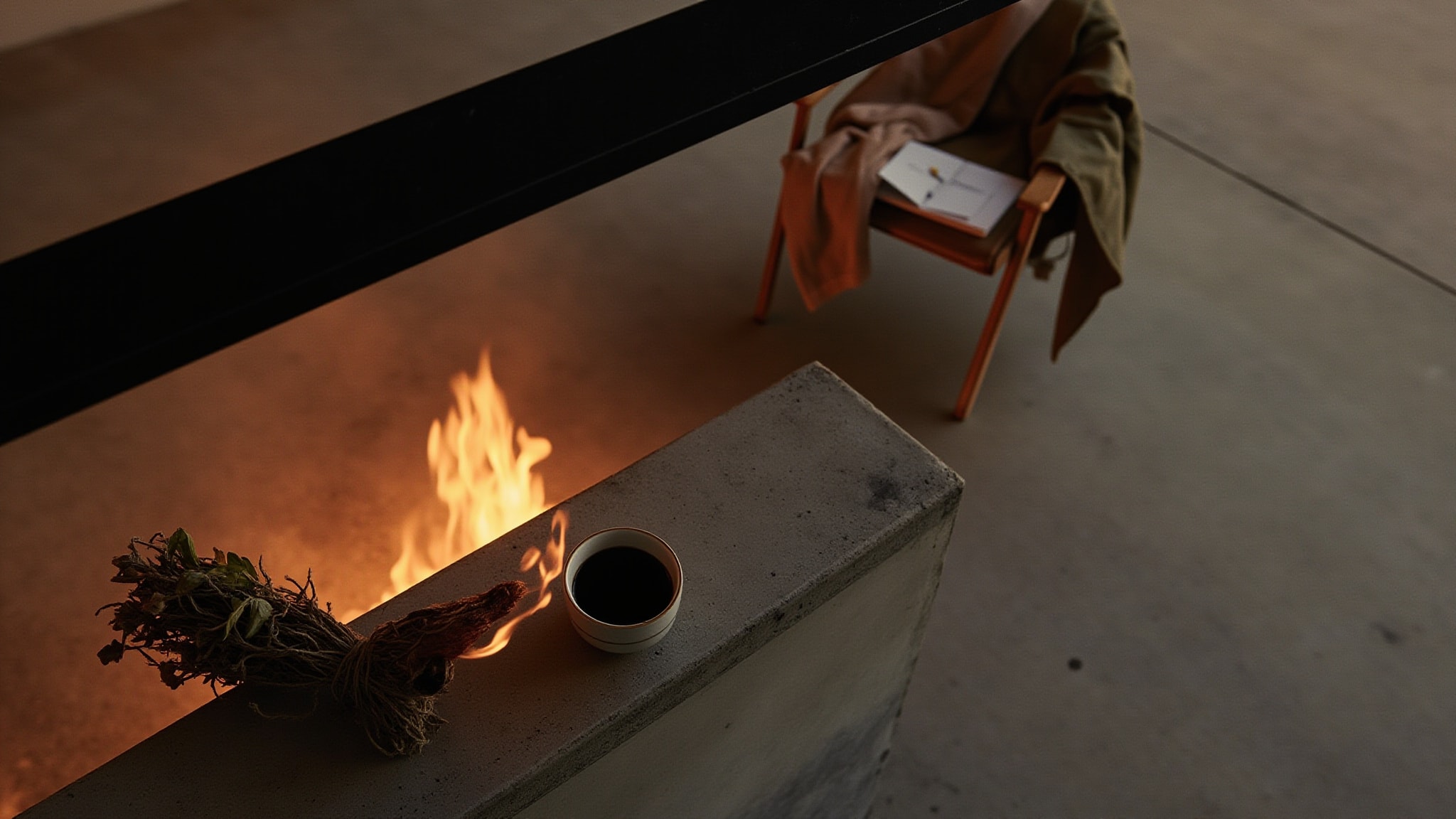
L'Indigène arrived in 2018 from the bench of David Thibaud-Bourahla, signed in the house's now-distinctive 'By Daoud' hand. Where the brand's earlier Crystal d'Afrique reached outward toward luminous terrain, this one turns inward, drawn from an intimate memory the perfumer shares with his grandfather. The fragrance was conceived as a transmission: the knowledge, the words, the silences between two men of the same blood, decades apart, speaking by firelight. Thibaud-Bourahla called it the last heartbeat of indigenous peoples, a tribute to a life lived freely, and to a lineage whose stories survive only when someone insists on carrying them forward.
The composition refuses the polite. Artemisia, or Berber wormwood, dominates the opening, an aggressive green herb that here becomes the thesis rather than a side note. Cumin joins it early, pulling the warmth toward something almost bodily. Nigerian ginger and Egyptian violet handle the middle register, adding spice and a floral shadow. The base then does something unexpected: hyraceum, the fossilized secretion of the rock hyrax, brings a urinous, leathery depth that anchors the entire construction.
The evolution
The first ten minutes are all herb and fire, wormwood crackling against basil and bergamot while cumin turns the warmth up from underneath. The cumin does not recede, it merely changes company, leaning into Nigerian ginger and a dusty Egyptian violet that arrives almost without announcement. The composition pivots as the hours pass: mastic and mandarin pull a faint sweetness through the spice, and myrrh begins to rise, cool and resinous, softening the edges without dulling them. The real turn comes when hyraceum makes its presence known. The scent goes animalic, warm, almost intimate, like leather left near a woodstove. Immortelle adds its maple-syrup shadow, gurjan balsam deepens the wood, and Atlas cedar holds the structure upright through the final hours.
Cultural impact
L'Indigène reads as a scent for cooler weather, with seasonal data pointing strongly toward autumn and winter wear, and toward evening use when the heavier, resinous base has room to open up. The wormwood and cumin give it a dry, smoky character that suits heavier fabrics and layered clothing rather than linen and sunlight. Among wearers who gravitate toward material-forward compositions, it has carved out a recognizable position, discussed as a reference point for animalic and herbal territory rather than a crowd-pleaser.