The Story
Why it exists.
The beginning
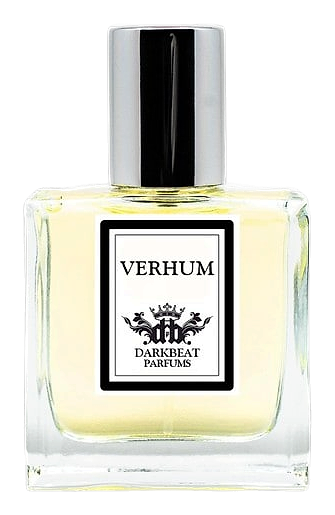
Verhum arrived in 2019 from Darkbeat Parfums. José M. Giraldo composed it as a green-citrus scent with a bright, aromatic surface and an earthy foundation. Aldehydes give the opening a polished brightness, while petitgrain, mint, orange, and mandarin orange bring a crisp green-citrus lift. Together, they create a clean, lively introduction that gradually reveals more textured notes underneath, including neroli, orange blossom, oakmoss, benzoin, labdanum, amber, and guaiac wood. The result balances fresh citrus and green notes with florals, moss, resins, and woods.
The unusual part is the handoff between its upper and lower registers. Neroli and orange blossom keep the heart airy and sunlit, but the base pulls the composition toward oakmoss, benzoin, labdanum, amber, and guaiac wood. That contrast gives Verhum a layered progression beyond a simple citrus splash. The white floral notes soften the sharper green edge without making it sugary, while the earthy and resinous base adds warmth beneath the brighter opening. As the fragrance settles, its citrus and floral character becomes intertwined with moss, woods, and soft resinous notes.
The evolution
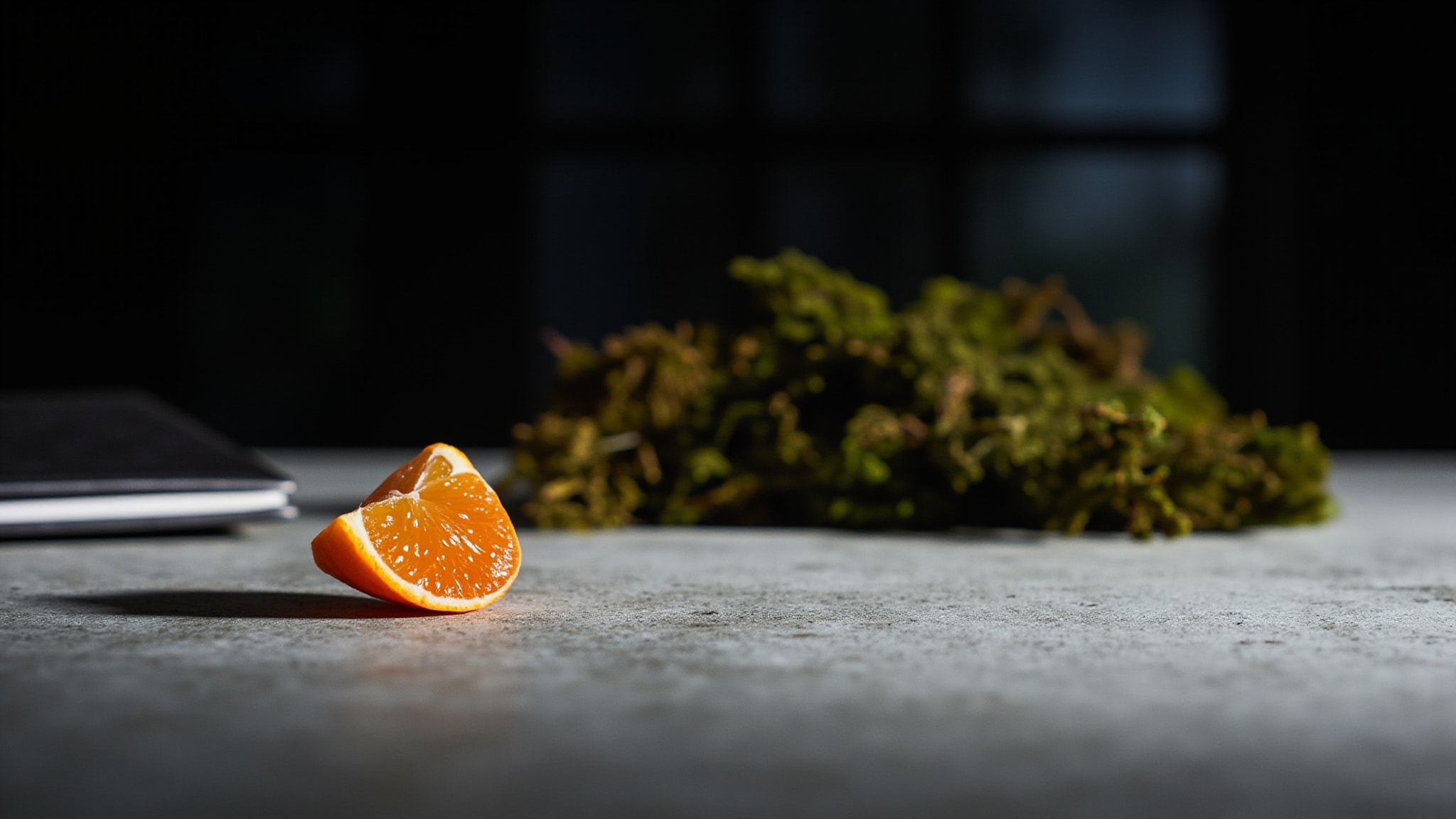
The first impression is clean and brisk: aldehydes, mint, orange, mandarin, and petitgrain catch the air with a polished, citrusy snap. As that brightness settles, neroli and orange blossom move in, turning the composition gentler and more luminous, almost like sun on a stem. Then the scent changes register. Oakmoss brings an earthy, green-brown shadow, while benzoin and labdanum add a soft resinous warmth. Amber gives the drydown a gentle warmth, and guaiac wood keeps it grounded rather than powdery. On skin, the opening is bright and clean before the floral notes create a softer middle. As the fragrance dries, the mossy, woody base becomes more apparent, with amber and the resinous notes adding warmth and depth to the composition.
Cultural impact
Verhum combines a fresh green-citrus opening with a darker base of moss, resins, woods, and amber. The transition from aldehydes, mint, orange, mandarin, and petitgrain to neroli and orange blossom gives the fragrance a clear sense of development. Oakmoss, benzoin, labdanum, amber, and guaiac wood then add earthy and resinous depth, creating a composition that moves between bright freshness, soft florals, and warm woody notes.
The House
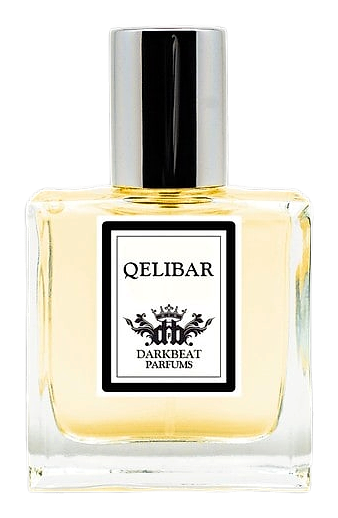
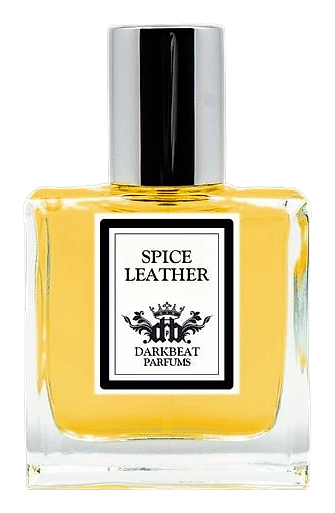
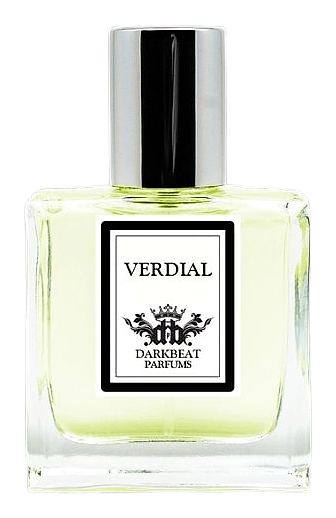
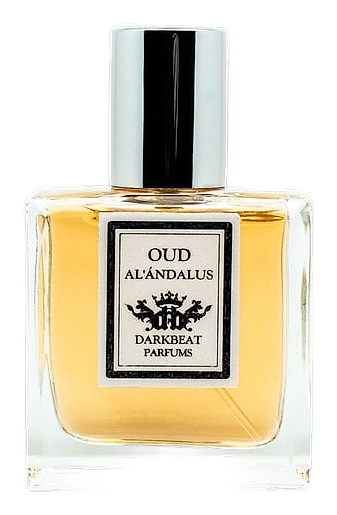
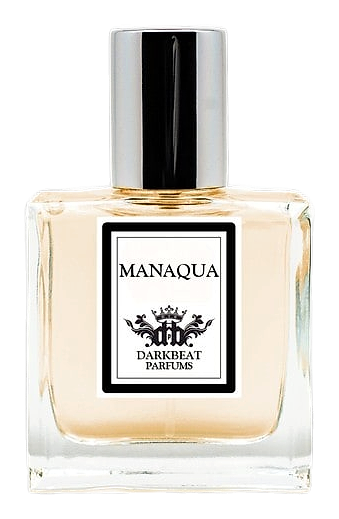
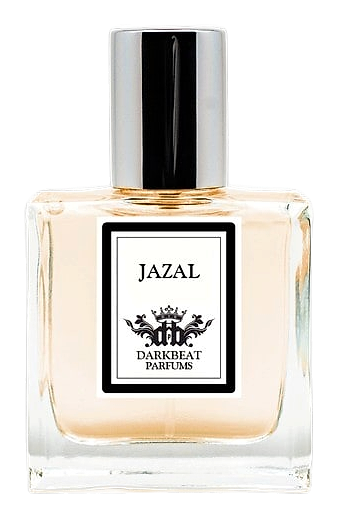
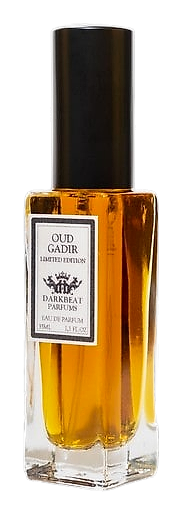
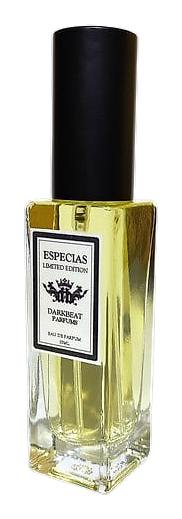
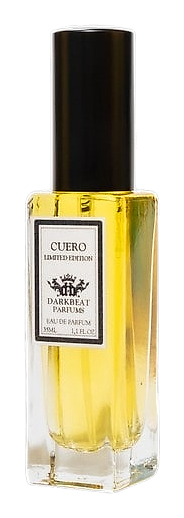
Darkbeat ParfumsDarkbeat Parfums is a fragrance house that has produced at least 26 perfumes since debuting its first edition in 2017. The brand operates within the niche and artisan perfume segment, creating scents that draw from diverse olfactory traditions. Early releases from the brand include L'Myrrhe (2017), Manaqua (2019), Qelibar (2019), and Cuero (2019), establishing a foundation of complex, character-driven fragrances. The house continued expanding its catalog through 2020 and 2021 with releases such as Khaox, Verdial, Sombra, Susurro, and Oud Al'Andalus. By 2022, the brand had released Ambra Gadir, demonstrating continued creative output. The fragrance names themselves suggest influences spanning Middle Eastern raw materials, Mediterranean landscapes, and aromatic traditions, with titles evoking amber, oud, myrrh, leather, and aquatic notes.
The Creator
José M. GiraldoThe documented output of 23 fragrances demonstrates versatility across multiple fragrance families, though the specific materials and techniques employed remain largely undocumented in publicly available sources. The impressive average rating of 8.