The Story
Why it exists.
The beginning
L'Myrrhe takes its name from one of perfumery's most ancient materials, myrrh, a resin with roots in incense traditions across the Middle East and Mediterranean. The fragrance opens bright with citrus that announces itself, then moves into a more complex heart before settling into a base that carries memory. It's a composition built around contrast, the bright opening giving way to something deeper and more contemplative, a fragrance that refuses to stay in one place, that invites you to follow it through its stages.
The structure here is unusual in how willingly it leans into contrast. Most fragrances keep their accords in conversation; L'Myrrhe lets them argue. The orange and pink grapefruit open with a sharp, almost confrontational brightness. Then coffee, earthy, slightly bitter, arrives and reframes everything. The frangipani adds a tropical creaminess that shouldn't work next to cinnamon's warmth, but it does. The rose isn't decorative; it's the bridge between the bright top and the deep base, holding the middle ground so myrrh and frankincense can arrive without shock.
The evolution
The opening belongs to citrus. Pink grapefruit cuts sharp and clean, orange adds sweetness without softening it. Coffee appears next, earthy and slightly bitter, followed by cinnamon's warmth and frangipani's tropical cream. The rose keeps things grounded here, preventing the heart from becoming too heavy. As the fragrance develops, the base takes over. Myrrh and frankincense emerge together, resinous and slightly sweet, and they don't leave quickly. What lingers the next morning is quiet myrrh and the ghost of something warm.
Cultural impact
Without a signature note or consistent olfactory family across releases, L'Myrrhe carved a specific space: citrus that doesn't apologize for its depth. The myrrh-forward drydown stands as the fragrance's defining quality, a resinous foundation that brings weight and presence to the composition. For those drawn to materials that demand attention rather than fade quietly, this offers something substantial, a fragrance built on contrast rather than conventional brightness.
The House
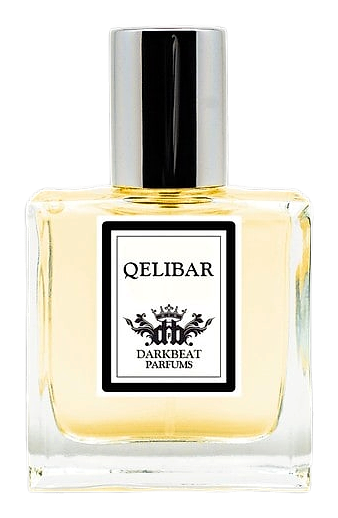
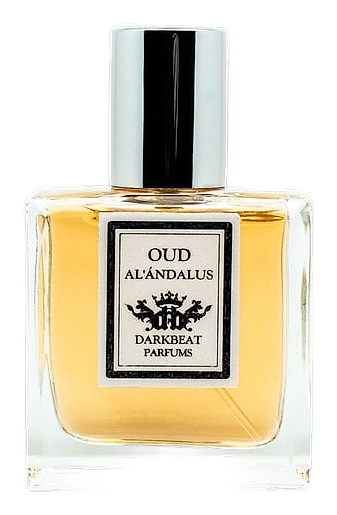
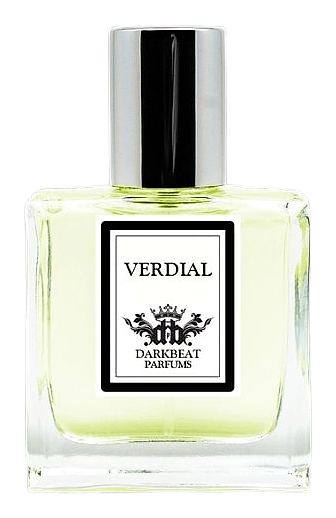
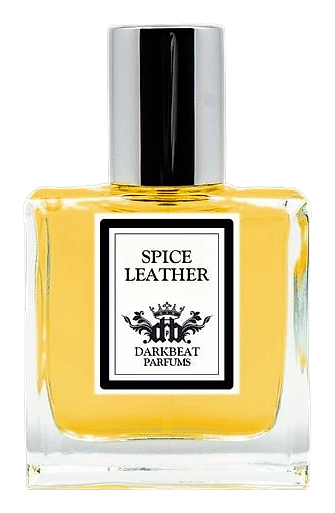
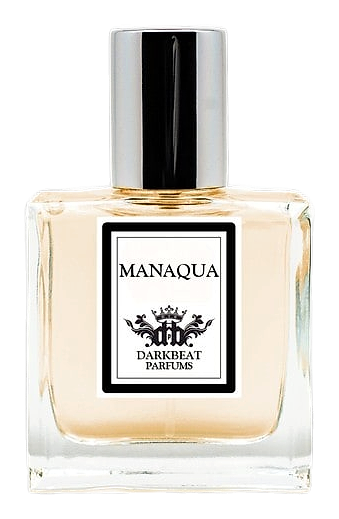
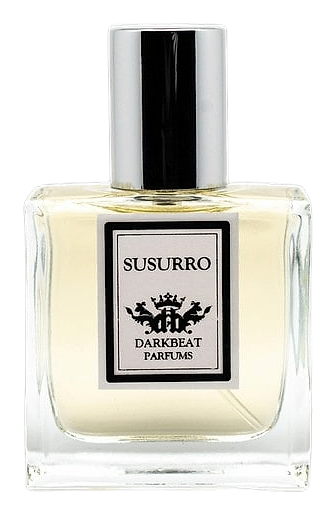
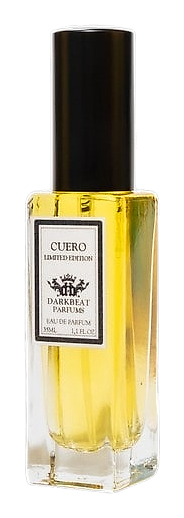
Darkbeat ParfumsDarkbeat Parfums is a fragrance house that has produced at least 26 perfumes since debuting its first edition in 2017. The brand operates within the niche and artisan perfume segment, creating scents that draw from diverse olfactory traditions. Early releases from the brand include L'Myrrhe (2017), Manaqua (2019), Qelibar (2019), and Cuero (2019), establishing a foundation of complex, character-driven fragrances. The house continued expanding its catalog through 2020 and 2021 with releases such as Khaox, Verdial, Sombra, Susurro, and Oud Al'Andalus. By 2022, the brand had released Ambra Gadir, demonstrating continued creative output. The fragrance names themselves suggest influences spanning Middle Eastern raw materials, Mediterranean landscapes, and aromatic traditions, with titles evoking amber, oud, myrrh, leather, and aquatic notes.
The Creator
José M. GiraldoThe documented output of 23 fragrances demonstrates versatility across multiple fragrance families, though the specific materials and techniques employed remain largely undocumented in publicly available sources. The impressive average rating of 8.