The Story
Why it exists.
The beginning
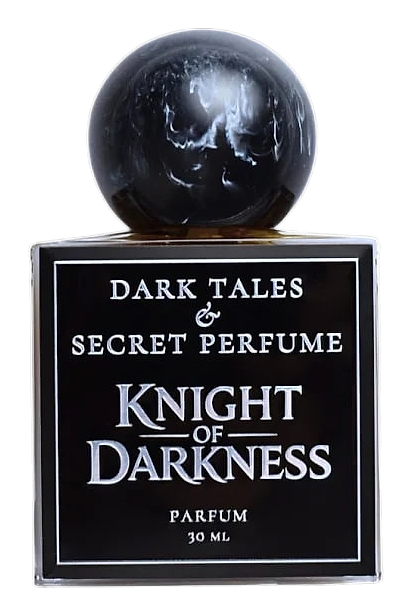
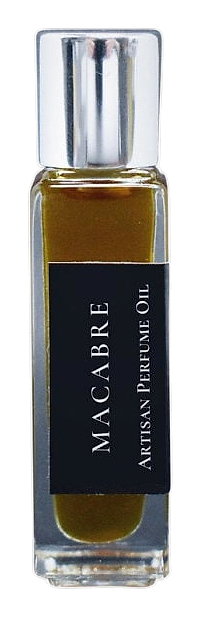
Macabre arrived in 2024 from Dark Tales, a perfume house where Arina P. Franzén serves as both perfumer and brand owner. The title sets the tone: macabre in the old literary sense, not menacing for sport, but a word that gestures toward something darker, more deliberate, more interested in the underside of beauty than in shock. Dark Tales has built a reputation for fragrances that lean into atmosphere and narrative weight, and Macabre reads like their most uncompromising statement yet. The composition doesn't flirt with darkness; it commits to it. What you get is a scent that feels less like a casual wearing and more like stepping into a room where the air itself has been curated, heavy with intention.
What makes the composition interesting is the tension between its florals and its foundation. Bulgarian rose and Egyptian jasmine sit at the heart, two flowers that carry enormous weight in perfumery's vocabulary, but they're framed by frankincense, labdanum, oakmoss, and guaiac wood, materials that carry their own associations with the sacred, the ancient, the burnt edge of ceremony. The frankincense does real work here, lending a resinous gravity that keeps the roses from reading as simply romantic.
The evolution
The first 15 minutes are loud. Black pepper and clove hit immediately, dry and sharp, with almost no sweetness to soften them. The spice doesn't politely recede; it holds its ground and demands attention. Around the 30-minute mark the Bulgarian rose and Egyptian jasmine surface, and the composition shifts from something abrasive to something warmer and more enveloping. The florals come through with density, warmed by the resins already waiting underneath them. From hour two onward you're in the base: guaiac wood, vetiver, patchouli, labdanum, and Somali frankincense build a slow, smoky architecture that holds steady. The oakmoss gives it a damp, forest-floor quality, like walking through old grounds after rain. Labdanum adds warmth without sweetness, a dry heat rather than a sugary one.
Cultural impact
Macabre sits squarely in the indie niche fragrance conversation around gothic and dark florals, a category where collectors actively seek out compositions with more atmosphere than the mainstream market typically offers. It wears close to skin and reads as something for the collector who treats fragrance as storytelling, the kind of person drawn to independent houses specifically because they're small enough to commit to a mood without dilution. Early wearers note its similarity to Gothika, another house release, suggesting the scent exists within a deliberate stylistic conversation rather than chasing broad appeal.