The Story
Why it exists.
The beginning
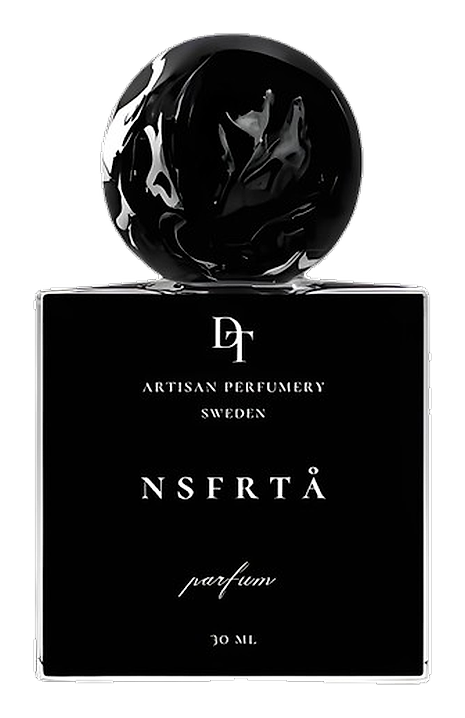
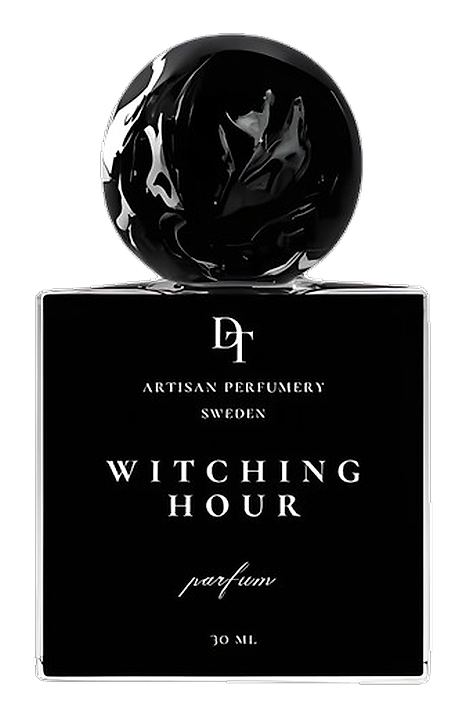
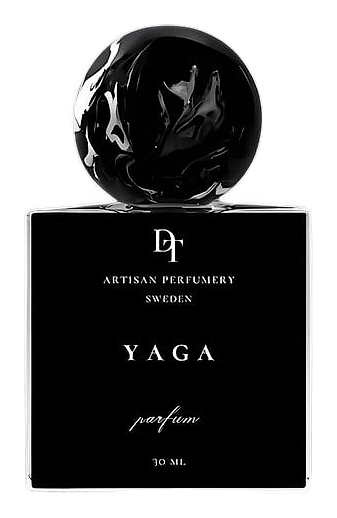
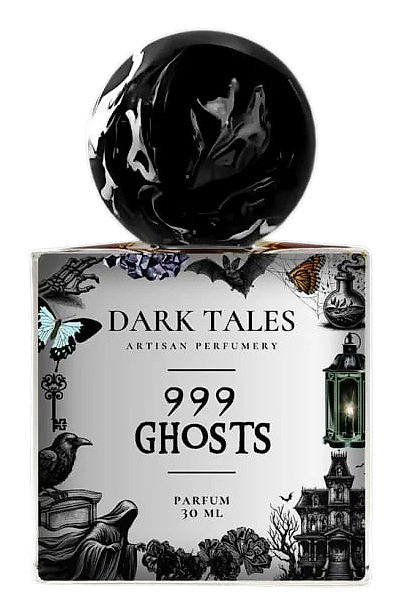
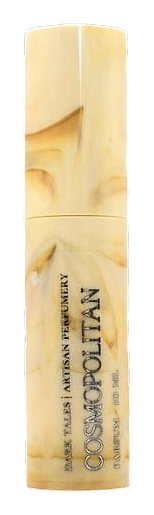
The brief wasn't about rose or musk. What arrived in the lab was a study in atmosphere: candles just extinguished, petals dried on cold stone, incense threading through centuries of silence. This is what happens when a perfumer starts with a scene instead of a pyramid. The fragrance opens with davana, herbal and almost medicinal-sharp, before bergamot arrives to soften and brighten. Candle wax appears third, and that's the tell: this isn't a fresh citrus opening. It's the smell of a space someone just left. Within twenty minutes the davana recedes and the heart opens, white rose that smells more powder than petal, supported by clary sage's aromatic cool and ambrette's quiet animalic musk. The candle wax note persists, threading through.
What's unusual here isn't any single note, it's the candle wax that holds the top and the drydown together. Wax is rarely listed as an official note in mainstream perfumery, but here it's the connective tissue: it makes the bergamot read warm rather than bright, it softens davana's sharpness into something almost aromatic, and in the base it bridges black musk and immortelle into a finish that genuinely smells like a space rather than a scent. The ambrette in the heart is doing quiet work too, musky, slightly animalic, it gives the white rose something to lean against that isn't sugar or aldehyde. Vetiver isn't doing the usual earthy-green job either.
The evolution
The opening hits davana first, herbal, almost medicinal-sharp, before bergamot arrives to soften and brighten. The candle wax arrives third, and that's the tell: this isn't a fresh citrus opening. It's the smell of a space someone just left. Within twenty minutes the davana recedes and the heart opens, white rose that smells more powder than petal, supported by clary sage's aromatic cool and ambrette's quiet animalic musk. The candle wax note persists, threading through. By the second hour the top notes are gone and the base takes over. Black musk dominates, dark and enveloping, while vetiver grounds everything with earthy, slightly smoky roots. Immortelle adds its signature warm-honey-licorice note, the one that makes this smell like autumn even in summer. As the composition settles, the interplay between these materials becomes more pronounced.
Cultural impact
The fragrance exists within a broader conversation about what perfume can be. Rather than competing on projection or longevity metrics, it asks wearers to engage with scent as an experience rather than a statement. This approach reflects a shift in how people relate to fragrance, moving toward something more personal and introspective. The work exists alongside other contemporary efforts to push niche perfumery beyond traditional boundaries, exploring what happens when scent becomes a vehicle for mood and memory rather than purely commercial appeal.
The House
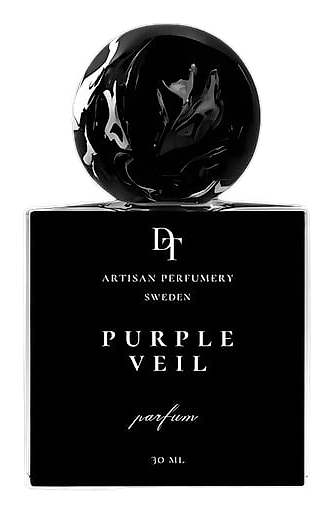
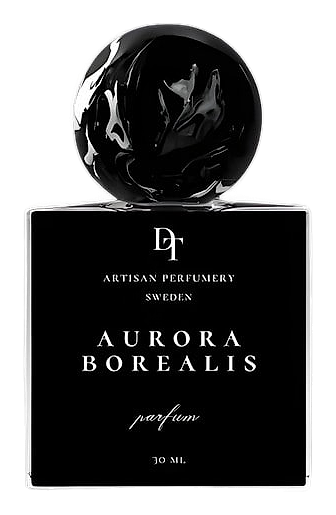
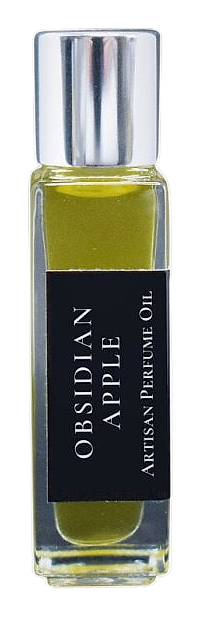
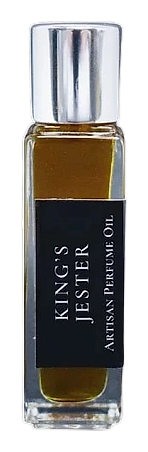
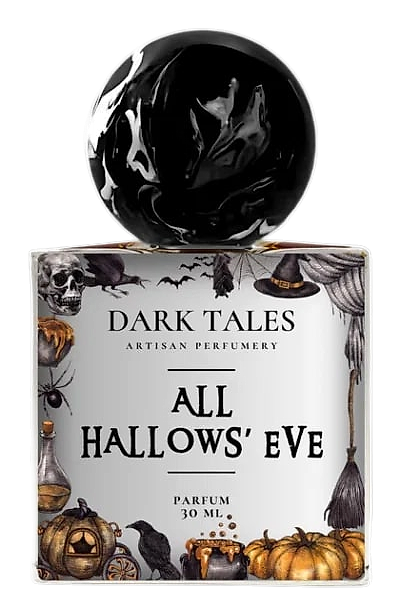
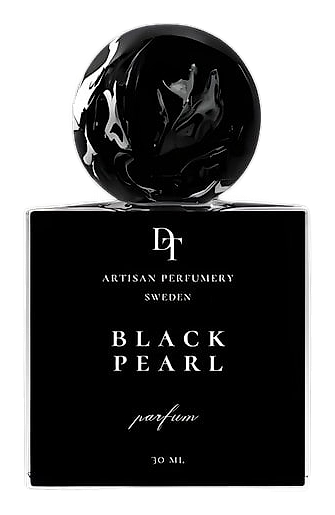
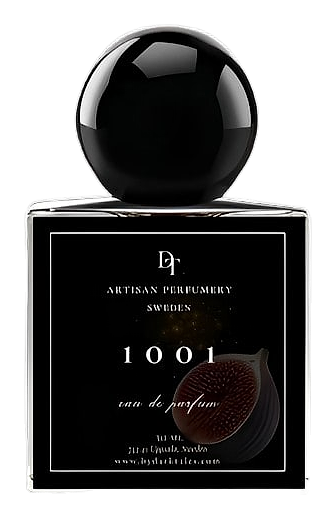
Dark TalesDark Tales emerged in 2019 as an indie perfume house rooted in the Åland Islands, a Swedish‑speaking archipelago in the Baltic Sea. The brand quickly earned a reputation for weaving narrative threads into each bottle, turning folklore, horror literature and seasonal rituals into scented stories. From the smoky notes of Old Library (2019) to the bright, bitter edge of Irish Coffee (2025), Dark Tales offers a compact catalogue that invites collectors to explore a world where scent meets myth.
The Creator
Arina P. FranzénArina favors natural absolutes and cold‑pressed extracts, preferring ingredients that retain their original character. She often begins with a single note—lavender from the Carpathians, oakmoss harvested in the Baltic, or a rare ambergris substitute—then layers supporting acco…